wellness
Newcastle Residents Discover Local Fermented Foods Transform Gut Health
From Hunter Valley farmhouse counters to Newcastle's inner-city delis, the ingredients for a healthier microbiome are closer than most residents realise.
How we reported this
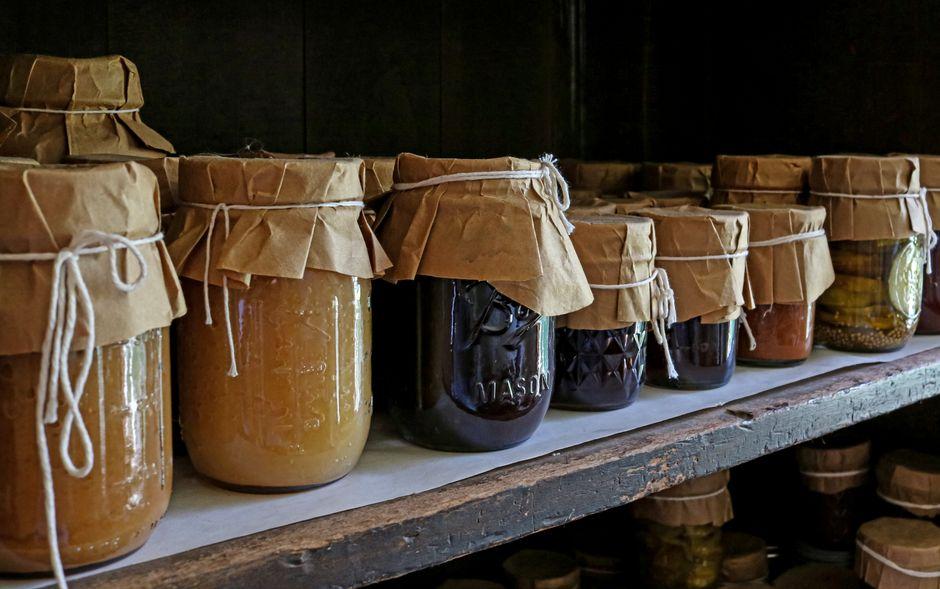
Sales of fermented foods at Newcastle's weekend farmers markets have jumped roughly 30 percent over the past eighteen months, according to figures cited by stall holders at the regular Beaumont Street markets in Hamilton. Kimchi, kefir, live-culture yoghurt, sourdough and raw sauerkraut are moving faster than most vendors can jar them. Gut health, once the territory of gastroenterologists and naturopaths, has become a mainstream grocery conversation.
The timing is no accident. Renewed public interest in hormones, sleep, mood and long-term disease prevention, all areas where gut microbiome research is generating serious scientific literature, has pushed consumers to look hard at what they eat every day. Researchers at the Walter and Eliza Hall Institute of Medical Research have published work linking a diverse gut microbiome to reduced systemic inflammation, and that kind of finding filters quickly into the health-conscious corners of a city like Newcastle. Worth understanding, then, is what fermented foods actually do and, more practically, where to find good ones locally.
What the Science Actually Says
Fermentation is a centuries-old preservation method. Bacteria, yeast or both convert sugars and starches into acids or alcohol, creating an environment that inhibits harmful microbes while generating beneficial compounds. Foods produced this way, kefir, kombucha, miso, tempeh, traditional pickles made without vinegar, deliver live bacteria known as probiotics directly to the digestive tract. A 2021 Stanford University study published in Cell found that a high-fermented-food diet increased microbiome diversity and decreased markers of immune activation in adults over a ten-week intervention. Diversity of gut bacteria is broadly associated with better metabolic health. That said, no single food is a cure-all, and anyone with specific digestive conditions should speak with a GP or accredited practising dietitian before overhauling their diet.
The practical entry point for most people is not a supplement. It is food. Fermented foods purchased from producers who use live cultures, rather than heat-treated, shelf-stable products, deliver the most intact bacterial populations. Reading labels matters: look for "live cultures" or "naturally fermented" and avoid products listing vinegar as the primary acidulant in anything marketed as a traditional pickle or sauerkraut.
Where to Find the Good Stuff in Newcastle
Newcastle's inner suburbs punch well above their weight here. The Olive Tree Marketplace on Darby Street in Cooks Hill stocks a rotating selection of local sourdough loaves, the long cold-ferment variety, not the commercial imitation, alongside a small refrigerated section carrying kefir from a Hunter Valley supplier. Expect to pay between $8 and $12 for a 500ml bottle of kefir, which compares reasonably to supermarket alternatives that frequently use heat treatment.
At the Bees Knees Pantry in the East End precinct near Hunter Street, house-made kombucha on tap has been a fixture since the shop expanded its fermented range in late 2024. The store also carries unpasteurised miso paste sourced from a small-batch producer operating out of the Upper Hunter. Miso dissolved into warm, not boiling, water preserves the live cultures and makes a genuinely fast lunch option for anyone working from the nearby Civic precinct.
For those willing to drive twenty minutes, the Cessnock Farmers Market, held on the second Saturday of each month, regularly features two or three producers selling raw fermented vegetables including beet kvass and whole-head fermented cabbage. Prices sit around $9 to $14 per jar, reflecting the labour-intensive production process.
Closer to home, Speers Point Park, already well-trafficked by the Saturday morning parkrun community, is flanked by a small strip of cafes on Lake Road that have quietly added kefir smoothies and sourdough toast to their menus in response to customer demand. It is a low-friction way to fold fermented foods into a routine that already exists.
The practical advice is simple: start with one fermented food, introduce it gradually over two to three weeks to allow the digestive system to adjust, and prioritise products from local producers who can tell you how and when their food was made. Newcastle's food scene has the supply. Building the habit is the harder part, and it starts at the next market Saturday morning.