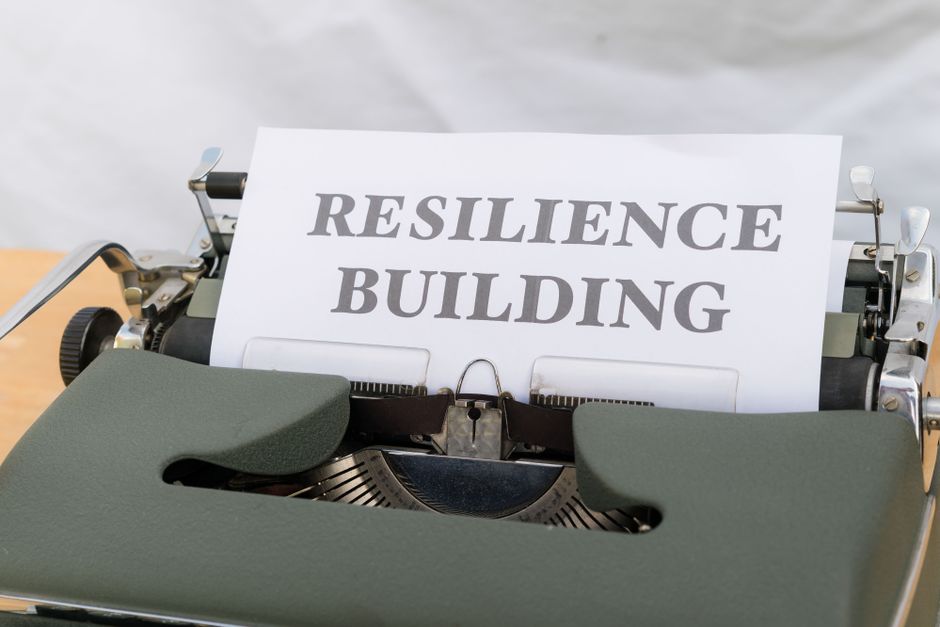
Building Psychological Resilience With Small Daily Habits
Newcastle wellness experts suggest that mental strength isn't built in big gestures—it's forged through consistent, manageable routines that fit into everyday life.
Verified by The Daily Newcastle editorial teamLast verified: 29 June 2026
How we report this▾
Our reporters are based in Newcastle and cover local government, business, courts and community. The Daily Newcastle is independently owned and editorially independent. We publish corrections promptly and label any sponsored content.
When stress hits, we often look for dramatic solutions. But psychological resilience—the capacity to bounce back from setbacks—rarely comes from overhauls. Instead, it emerges from small, repeated actions that anchor us during turbulent times.
Dr Emma Keenan, a clinical psychologist based in the Newcastle area, notes that "resilience is like physical fitness. You don't run a marathon on day one; you build capacity gradually." The evidence supports this. Research from the University of Newcastle's School of Psychology shows that people who adopt micro-habits—brief daily practices lasting 5–10 minutes—report measurably improved stress management within four weeks.
Consider the Bathers Way coastal walk between Merewether and Glenrock. While the full 10-kilometre trail attracts serious hikers, many Newcastle residents build resilience by walking just one section regularly—say, from the Merewether Ocean Baths carpark to the first headland and back. This 20-minute rhythm, repeated three times weekly, becomes a grounding habit. Ocean views and salt air aren't luxuries; they're part of Newcastle's accessible mental health toolkit.
Similarly, the Speers Point parkrun—held every Saturday at 8 a.m.—demonstrates how community-based routine builds resilience. Participants range from competitive runners to walkers, but the shared ritual, the familiar faces, and the sense of collective purpose create psychological scaffolding that extends far beyond the 30 minutes on grass.
Practical daily habits don't require memberships or special locations. A five-minute gratitude practice before breakfast, journalling three observations during lunch, or a breathing exercise while waiting for a Newcastle bus—these micro-interventions cost nothing and accumulate into genuine psychological shifts. One local GP practice in the inner west now distributes a simple "daily habit tracker" to patients reporting stress, noting that consistency matters far more than intensity.
The Hunter Valley's farm-to-table culture also reinforces resilience. Choosing one meal weekly where you're fully present—perhaps a Friday lunch at a local café on King Street—disrupts the autopilot mode that amplifies stress.
Building psychological resilience isn't mystical. It's deliberate, unglamorous repetition: the same walk, the same time, the same breath. Newcastle's geography and community spaces make this accessible. Start with one small habit this week. Notice what shifts.
For personal mental health concerns, consult a local GP or contact Lifeline on 13 11 14.
This article was compiled by AI from the sources linked above and screened before publishing. See our editorial standards.