Verified by The Daily Newcastle editorial teamLast verified: 29 June 2026
How we report this▾
Our reporters are based in Newcastle and cover local government, business, courts and community. The Daily Newcastle is independently owned and editorially independent. We publish corrections promptly and label any sponsored content.
If you've spent the past five years believing that scrolling on your phone before bed is sabotaging your sleep, you're not alone. The narrative has become so embedded in wellness culture that many Newcastle residents have banished screens from their bedrooms entirely. But what does the actual science say?
Recent sleep research paints a more nuanced picture than the popular "blue light is ruining your sleep" argument suggests. While light exposure does influence circadian rhythms, the relationship between evening screen use and actual sleep quality is far more complex than most wellness blogs acknowledge.
A 2024 meta-analysis found that the *timing* and *type* of screen use matters far more than the screens themselves. Passive scrolling through social media—the kind many of us do while watching Netflix on the couch in Cooks Hill or Carrington—showed stronger associations with poor sleep than, say, reading an e-book or checking emails. The culprit appears less about blue light wavelengths and more about psychological engagement: content designed to trigger dopamine responses keeps your brain in an active state when it should be winding down.
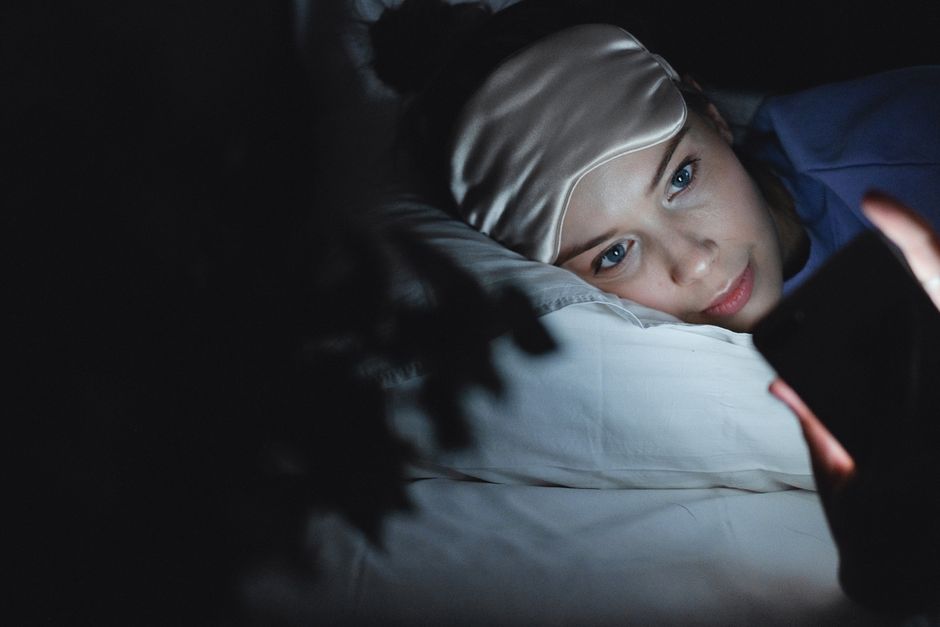
The brightness of your screen is also significant. A dimly lit device at arm's length in a darkened room has minimal impact on melatonin production compared to a brightly lit screen held close to your face. This matters for night-shift workers at Newcastle's hospitals and the Port Authority, who may have different sleep windows altogether.
So what should Newcastle residents actually do? Sleep specialists suggest a straightforward approach: if evening screens genuinely disrupt your sleep, the problem likely isn't the technology but your engagement with it. Consider swapping social media for audiobooks or podcasts during your evening routine—whether you're walking the Bathers Way at dusk or winding down at home.
Setting a meaningful boundary—not based on fear of blue light, but on genuine wind-down time—works better than device prohibition. Sixty to ninety minutes before bed, shift toward lower-stimulation activities. Read that physical book from Bookoccino on Darby Street. Journal. Prepare tomorrow's lunch from Hunter Valley produce.
The research is clear: sleep health depends far more on your overall routine, stress levels, and sleep environment than on device banishment. If you're struggling with sleep quality, consulting a GP or sleep specialist through your local health service provides personalised guidance that generic screen-time advice simply cannot offer.
This article was compiled by AI from the sources linked above and screened before publishing. See our editorial standards.