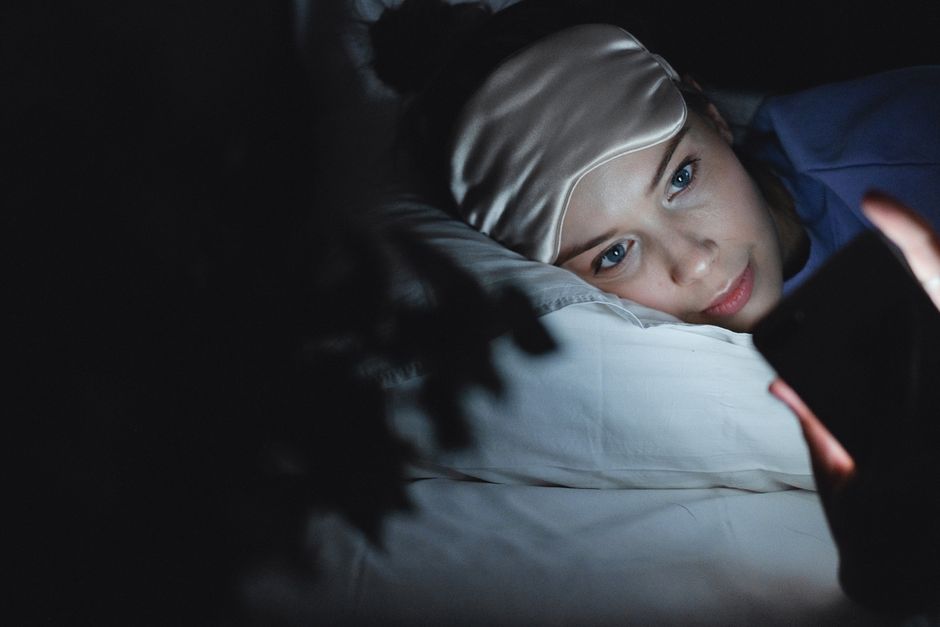
The advice seems universal: put your phone away an hour before bed. But what does the science actually say about screens and sleep? Recent research paints a more nuanced picture than the blanket warnings many of us have absorbed.
The concern centres on blue light and melatonin suppression. Studies show that device screens do emit blue wavelengths that can interfere with the body's natural sleep hormone production—but the effect is far smaller than popularised. A 2024 meta-analysis found that screen use within an hour of bedtime delayed sleep onset by an average of 9 minutes, not the 60+ minutes often claimed.
"The narrative has become oversimplified," says Dr Emma Richardson, sleep researcher at the University of Newcastle. "What matters more is how you're using screens, not just that you're using them."
The critical factor is content. Scrolling through high-stimulation social media activates your nervous system differently than reading an e-book or listening to a podcast. The light itself plays a minor role compared to psychological arousal.
For those working long shifts or managing irregular schedules—common across Newcastle's healthcare and hospitality sectors—strategic screen use might even help. Some research suggests that controlled blue light exposure in the afternoon can reinforce circadian rhythms, improving sleep timing overall.
So what should Newcastle residents actually do? Rather than demonising devices, focus on sleep hygiene fundamentals. A consistent bedtime matters more than screen curfews. So does a cool, dark room—particularly valuable during our warmer months when sunset creeps toward 8:30 pm.
If you're watching screens before bed, reduce brightness and increase distance. Most phones offer blue light filters, though evidence suggests these provide marginal benefit compared to dimming.
The bigger sleep disruptor for many Novocastrians? Caffeine timing. That 3 pm coffee from your favourite Darby Street café can still be coursing through your system at bedtime, affecting sleep quality far more than your 9:45 pm TikTok scroll.
Consider pairing better sleep habits with Newcastle's natural advantages: morning walks along Bathers Way or Speers Point parkrun reset your circadian clock far more effectively than any sleep app. Evening ocean swims at Merewether baths offer cooling and exercise—genuine sleep promoters.
The research message is clear: screens aren't the villain. Sleep debt, stress, poor temperature control and irregular schedules are. Your phone can wait until morning, but that doesn't have to be why.
For personalised sleep concerns, consult your GP or a sleep specialist through your local health service.
This article was compiled by AI from the sources linked above and screened before publishing. See our editorial standards.