Verified by The Daily Newcastle editorial teamLast verified: 30 June 2026
How we report this▾
Our reporters are based in Newcastle and cover local government, business, courts and community. The Daily Newcastle is independently owned and editorially independent. We publish corrections promptly and label any sponsored content.
Newcastle's subtropical coastal climate presents a unique hydration challenge. With humidity regularly climbing above 70 per cent during the warmer months, and sea breezes that can mask how much you're actually sweating, many locals don't realise they're becoming dehydrated until symptoms hit.
"The old advice of drinking eight glasses of water daily doesn't account for our specific environment," says accredited practising dietitian Sarah Mitchell, who runs a practice in Merewether. "Newcastle's climate, combined with outdoor activities like the Bathers Way walk or parkrun at Speers Point, means many people need considerably more fluid intake than that baseline."
The rule of thumb for Newcastle residents: start with half your body weight in ounces daily, then add 16 ounces for every 30 minutes of exercise or time in direct sun. For a 70kg person, that's roughly 2.5 litres as a baseline, potentially rising to 3.5 litres or more on active days.
But it's not just about volume—what you drink matters. Plain water remains the best choice for most situations. However, during prolonged activity (anything over 60 minutes), a low-sugar electrolyte drink can help with sodium replacement and absorption. Local supermarkets stock options ranging from $2.50 to $4.50 per bottle, though a homemade mix of water, a pinch of salt, and lemon costs mere cents.
Caffeinated drinks like coffee and tea are often underestimated. While they do have a mild diuretic effect, recent research suggests the net fluid contribution is still positive—so your morning flat white at a Darby Street café counts toward your total. However, sugary soft drinks and energy drinks should remain occasional treats; the sugar content can actually increase dehydration at the cellular level.
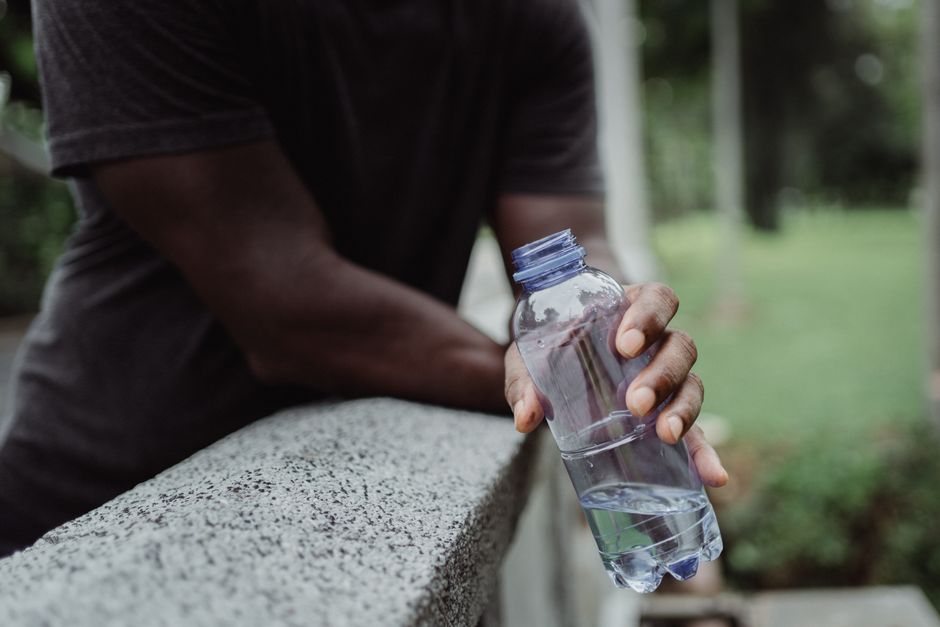
A practical Newcastle strategy: keep a water bottle with you during walks along the Newcastle foreshore or through the Hunter Valley farmers markets. Pale yellow urine is a good hydration indicator; if it's dark amber, you're falling behind. Thirst is a late-stage signal, particularly for older residents or those with chronic conditions—don't wait until you feel thirsty.
Timing also matters. Drinking consistently throughout the day is more effective than large amounts at once. Start your day with a glass before breakfast, and sip regularly while exploring local attractions.
For personalised hydration advice tailored to specific health conditions, consult your local GP—they know your individual needs best.
This article was compiled by AI from the sources linked above and screened before publishing. See our editorial standards.