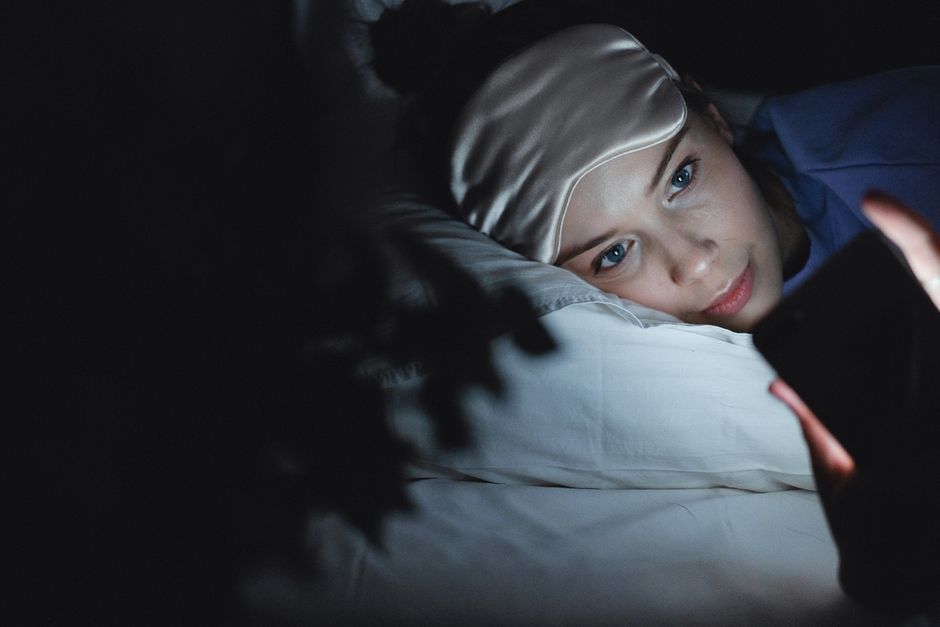
If you've spent the last decade feeling guilty about checking your phone before bed, take a breath. While the relationship between screens and sleep is real, the research tells a more nuanced story than the "blue light will ruin your rest" headlines suggest.
The science is clear on one point: screen use before bed *does* affect sleep quality. But not always in the way we've been told. According to recent studies, it's less about the blue light from your device and more about what your brain is doing while you're looking at it.
"The content matters more than the light," explains Dr Sarah Mitchell, a sleep medicine specialist at John Hunter Hospital in New Lambton. "If you're doom-scrolling through social media or work emails, your nervous system stays activated. That's the real sleep killer."
The research backs this up. While blue light does suppress melatonin production, the effect is modest—around 15 to 30 minutes of delayed sleep onset for most people. But the *psychological* stimulation of engaging content? That can keep your brain wired for hours.
For Newcastle residents juggling work stress and family life, the practical takeaway is this: it's not about banning screens entirely. It's about being intentional. A 2024 meta-analysis found that people who stopped using screens 30 to 60 minutes before bed—particularly those engaging with stimulating content—reported significantly better sleep quality than those who kept scrolling.
The substitute matters too. Rather than replacing your evening scroll with anxious clock-watching, sleep experts suggest activities that genuinely calm the nervous system. A walk along Bathers Way toward Merewether, even in winter, costs nothing and delivers proven benefits. So does reading—yes, from a physical book—or practising gentle stretching while listening to a podcast at low volume.
If you're in Newcastle and struggling with persistent sleep issues, your local GP can refer you to specialists at the Hunter Sleep Clinic, located at the John Hunter Hospital complex. A standard sleep assessment typically costs between $300 and $600 through private providers, though Medicare rebates apply if referred by your doctor.
The bottom line: screens aren't sleep's enemy. *Stimulation* is. If you're going to use your phone before bed, choose content that actually calms you down. And if you're still waking up exhausted, the screen might not be the problem—it could be sleep apnoea, stress, or simply inconsistent sleep timing.
Your evening routine deserves evidence-based choices, not just guilt.
This article was compiled by AI from the sources linked above and screened before publishing. See our editorial standards.