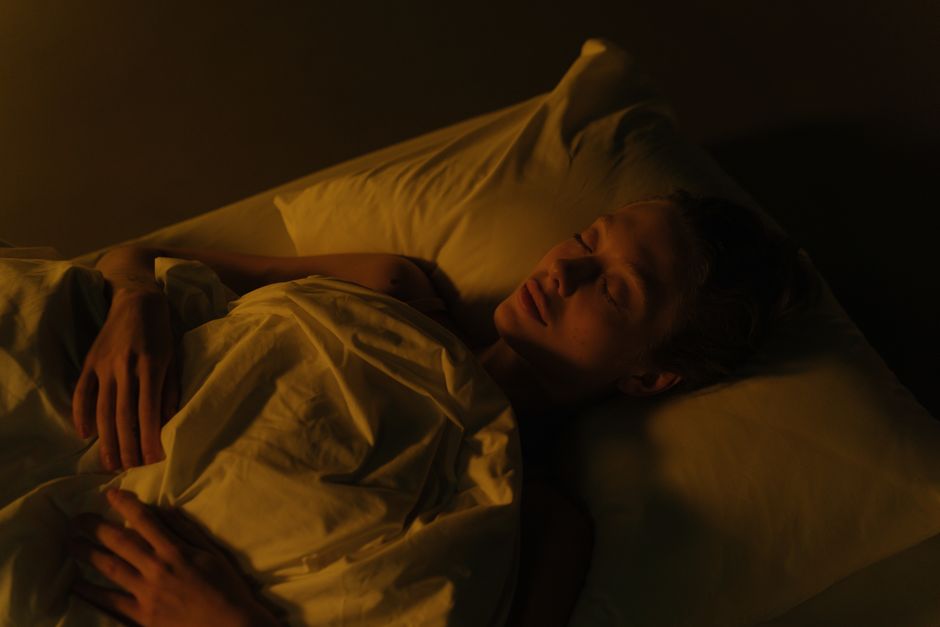
After a long day exploring the Bathers Way or catching up with work, Newcastle locals know the struggle of unwinding before bed. But while many of us reach for our phones at 10 pm, sleep scientists are united on one point: that's precisely what's keeping us awake.
"The evidence is overwhelming," says Dr Sarah Chen, sleep researcher at the University of Newcastle. "Blue light from screens suppresses melatonin production—the hormone that tells your body it's time to sleep. We're essentially telling our brains to stay alert when we should be shutting down."
So what does work? The science points to a consistent wind-down routine starting 60 minutes before bed. This means dimming lights around your home in Merewether, Darling Harbour or Hamilton—a cue that signals your circadian rhythm toward sleep. Temperature also matters. Your body naturally cools before sleep, so a warm bath followed by a drop in room temperature mimics this process. Keep your bedroom between 16–18°C if possible.
Reading physical books ranks high in sleep science studies. Unlike screens, paper doesn't emit blue light, and the cognitive engagement helps quiet racing thoughts. A 20-minute read at a local café earlier in the day—say, a coffee at one of Darling Harbour's quiet spots—can become evening habit.
Breathing exercises appear in virtually every peer-reviewed sleep study. The 4-7-8 technique (inhale for four counts, hold for seven, exhale for eight) activates your parasympathetic nervous system, naturally lowering heart rate. Free to practise anywhere—even before a morning parkrun at Speers Point.
Caffeine timing is non-negotiable. Caffeine's half-life is 5–6 hours, meaning that 3 pm flat white from a Hunter Valley café will still be in your system at 9 pm. Sleep scientists recommend a cutoff by 2 pm.
Finally, consistency trumps perfection. Going to bed at the same time daily—even weekends—strengthens your body's sleep-wake cycle. Newcastle's cooler winter nights (averaging 8–12°C) naturally support this, but blackout blinds ($30–$60 at local hardware stores) help year-round.
None of these strategies require expensive apps or supplements. They're simply alignment with your biology. Start with one habit this week—perhaps ditching screens an hour earlier—and notice the difference by next weekend.
For persistent sleep concerns, consult your local GP or a sleep specialist at a Newcastle medical practice.
This article was compiled by AI from the sources linked above and screened before publishing. See our editorial standards.