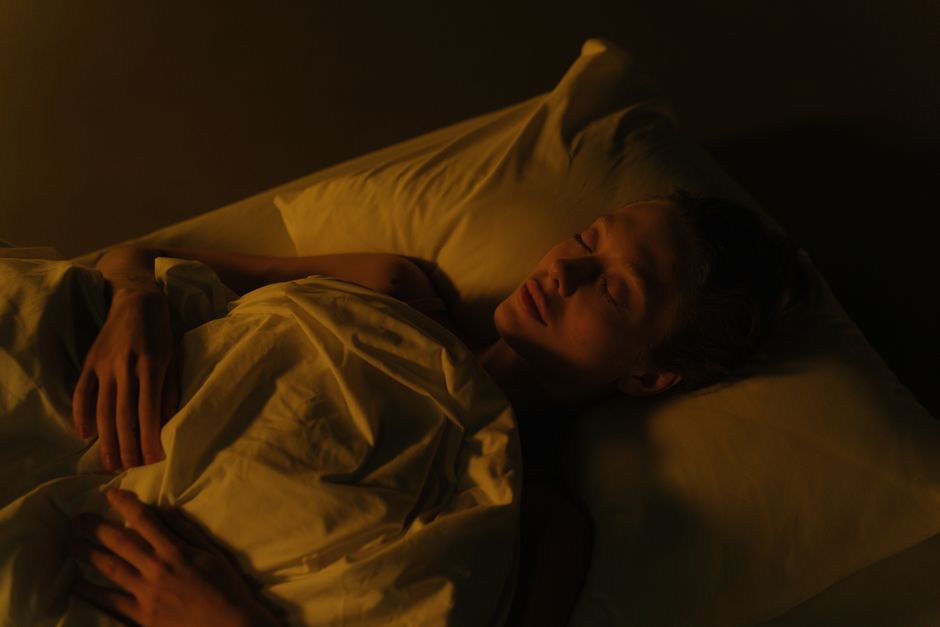
If you're lying awake at 11 pm scrolling through your phone while the winter chill settles over Merewether, you're not alone. Sleep complaints top the wellness concerns GPs hear across the Hunter, yet the science of winding down is surprisingly straightforward—and doesn't require expensive supplements or apps.
Dr Sarah Chen, a sleep researcher at the University of Newcastle, points to one non-negotiable rule: consistency. "Your body has a biological clock," she explains. "Going to bed at 10 pm on weekdays and midnight on weekends confuses your system. Stick to the same time, even on weekends." That means whether you're heading home to Stockton or Hamilton, your evening routine should anchor you at the same hour.
The science backs three core wind-down practices. First: dimming lights 60 minutes before bed. Blue light from screens suppresses melatonin, the hormone that signals sleep. Second: a cool bedroom—around 16–18°C—which mimics the body's natural temperature drop. Third: avoiding caffeine after 2 pm (standard flat white from your local Darby Street café should be your last).
For Newcastle locals, the Bathers Way coastal walk offers an ideal afternoon activity; the ocean air and natural light exposure reset your circadian rhythm, making evening sleep easier. A 30-minute stroll between Merewether and Cooks Hill costs nothing and delivers what sleep labs call "light anchoring."
What doesn't work? Alcohol as a sleep aid. While it might knock you out faster, it fragments sleep quality. Similarly, "doom scrolling" before bed—a habit many slip into around 9 pm—keeps your nervous system activated, even if you feel tired.
Instead, the evidence supports tactile, low-stimulation routines. Reading a physical book, journaling about tomorrow's tasks, or gentle stretching activates the parasympathetic nervous system. If you live near Speers Point or prefer indoor evenings, a warm (not hot) shower 90 minutes before bed works equally well. The subsequent temperature drop signals your body it's time to sleep.
Nutritionally, a light snack combining complex carbohydrates and protein—think toast with almond butter—supports the amino acid tryptophan, which aids sleep onset. Skip heavy Hunter Valley wines or rich meals within three hours of bedtime.
The Newcastle Sleep Clinic (Waratah) offers assessments for persistent insomnia, but for most people, these science-backed habits cost nothing and work within two weeks. The key: patience and consistency. Your body will thank you.
For personalised sleep concerns, consult your local GP or a registered sleep specialist.
This article was compiled by AI from the sources linked above and screened before publishing. See our editorial standards.