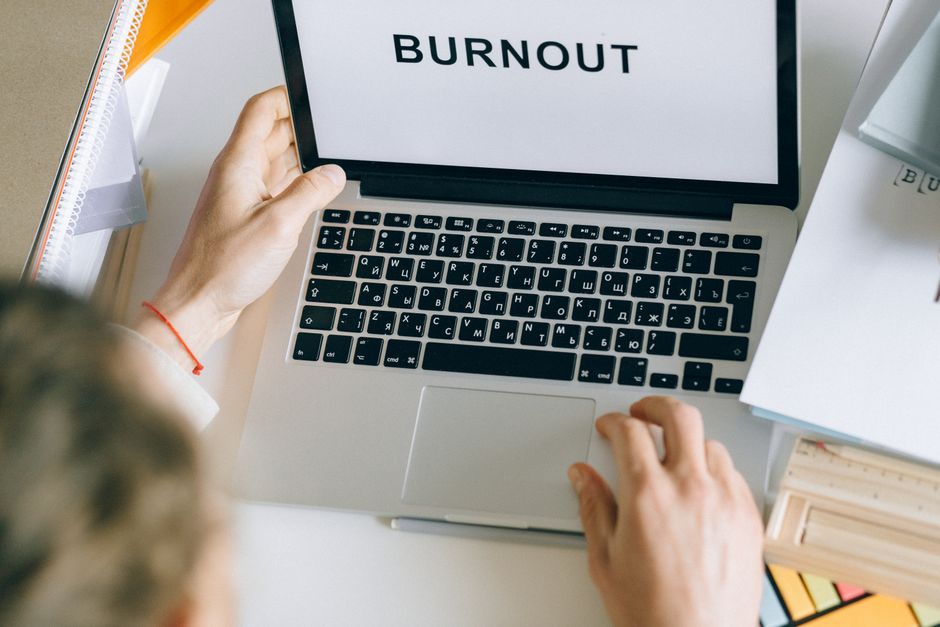
The blurred line between home and office has become a wellness crisis for thousands of Newcastle workers. After six years of hybrid and remote work normalisation, screen fatigue and burnout aren't occasional complaints—they're structural problems baked into our days.
"People are working longer hours from home, not shorter ones," says occupational health researcher Dr Sarah Chen from the University of Newcastle. "Without a commute or physical separation, the workday just bleeds into everything else."
The symptoms are familiar: neck tension, eye strain, afternoon headaches, and a creeping sense of always being 'on'. A recent Australian wellness survey found 67% of remote workers experience moderate to severe screen fatigue, with Newcastle's tech and professional services sectors particularly affected.
The fix isn't radical. Movement breaks—even five minutes—reset both body and mind. Walking to Speers Point parkrun on a Wednesday morning, or taking the coastal path along Bathers Way for lunch, interrupts the screen-lock cycle. Newcastle's ocean baths at Merewether remain free entry on weekends: 20 minutes in salt water clears the mental fog that eight hours of Zoom creates.
Boundary-setting matters more at home than in an office. Kasie Timmins, a marketing director in Wickham, restructured her routine last year. "I finish at 4pm, shut the laptop, and walk to Civic Park," she says. "It costs nothing and breaks the habit of checking emails at 7pm."
Simple ergonomic changes help too. Adjust your monitor to eye level, position your chair so your feet rest flat, and place your keyboard at elbow height. The Hunter Valley's fresh food culture—sourcing produce from local farmers' markets—supports sustained energy levels better than desk snacking. A proper lunch away from your screen, not eaten at your keyboard, matters.
Experts recommend the 20-20-20 rule: every 20 minutes, look at something 20 metres away for 20 seconds. This resets eye muscles and forces a micro-break.
Newcastle's geography is its advantage. You're never far from water, parks, or walking trails. Using them isn't a luxury—it's preventive wellness.
For persistent fatigue or vision changes, consult your GP. But for most of us, the answer is simpler: move more, screen less, and treat your home office like a place you eventually leave.
This article was compiled by AI from the sources linked above and screened before publishing. See our editorial standards.