Technology
Newcastle's Clean Energy Tech Scene Punches Above Its Weight Globally
The city's unique blend of industrial heritage, riverside innovation hubs and major university firepower has created a distinctive green-tech ecosystem that's catching international attention.
How we reported this
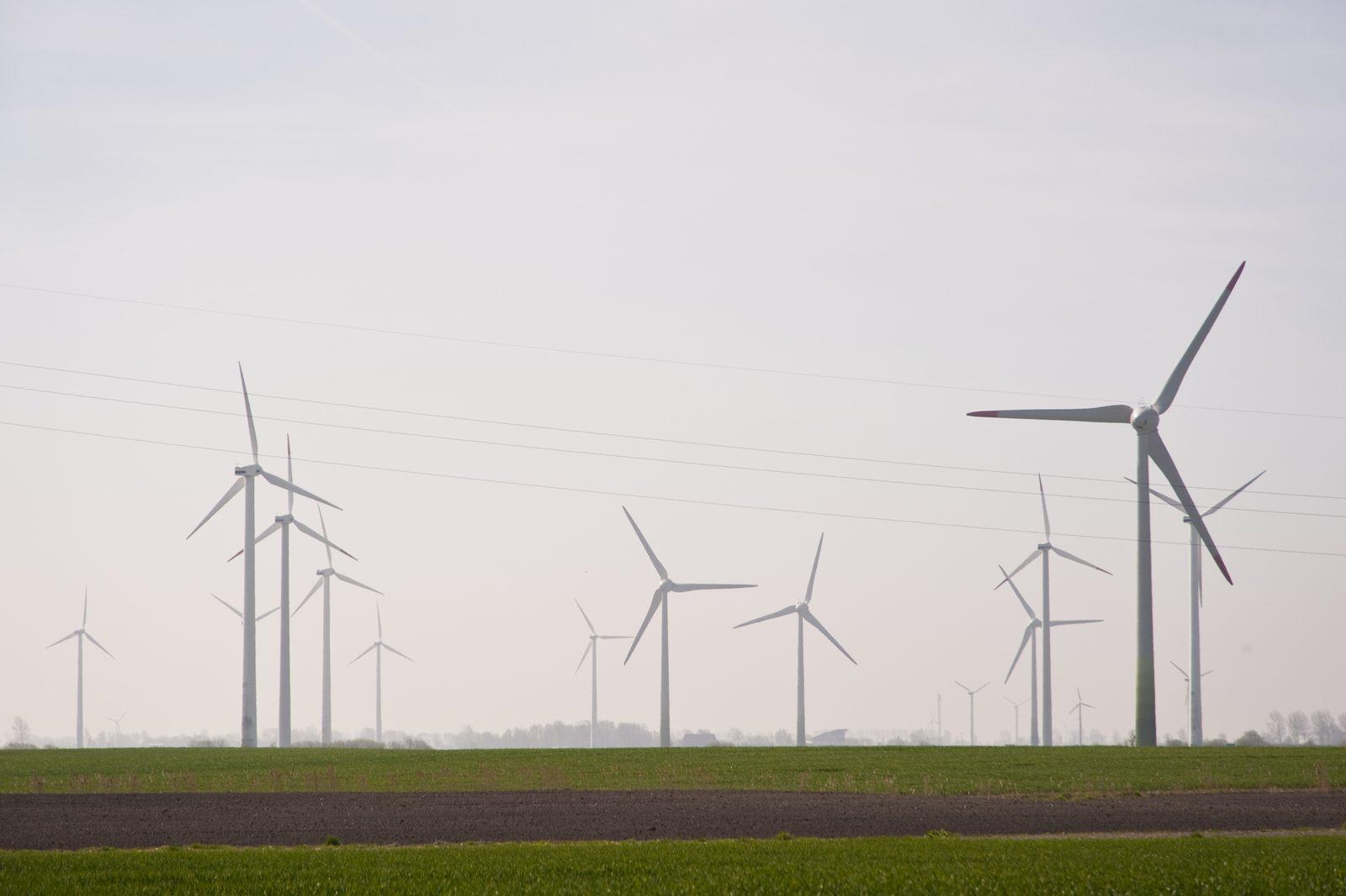
Newcastle's tech sector has spent the last decade quietly building something remarkable: a clean energy innovation cluster that leverages the city's industrial past rather than running from it. Unlike Silicon Valley's erasure of manufacturing, or London's financial dominance, Newcastle is doing something distinctly different-and it's working.
The heart of this ecosystem sits along the Quayside and extending into Ouseburn, where converted Victorian warehouses now house startups focused on offshore wind optimisation, carbon capture, and grid modernisation. Organisations like the Urban Sciences Building near the Central Station have become genuine magnets for climate tech talent, partnering closely with Newcastle University's award-winning engineering departments. The university alone has secured over £180 million in research funding for energy transition projects since 2020, rivalling dedicated tech hubs elsewhere.
What makes Newcastle distinctive is its inherited infrastructure. The city spent 150 years as an engineering powerhouse-shipbuilding, mining, heavy manufacturing. That legacy created two critical advantages: first, a deep pool of technical talent with hands-on experience in complex industrial systems; second, aging infrastructure that desperately needs decarbonising. This creates a living laboratory. Companies aren't theorising about how to retrofit a Victorian industrial zone-they're doing it here, right now, with measurable results.
The Tyne itself has become a testing ground for marine energy technologies. Local firms are piloting tidal stream generation and floating offshore wind platforms in water where their predecessors built vessels. It's a narrative arc that resonates globally: industrial cities aren't liabilities in the green transition; they're assets.
Commercial viability backs this up. Office space in Ouseburn now commands £8-12 per square foot annually-up 35% since 2023-as cleantech firms relocate from London. Three venture capital funds have opened Newcastle offices specifically to invest in climate technology, citing the cost advantage and specialist talent concentration as decisive factors.
International partnerships reinforce the trend. Newcastle's cleantech ecosystem has attracted partnerships with similar post-industrial cities in Germany's Ruhr Valley and northern France, creating a knowledge-sharing network across Europe's energy transition.
The city isn't pretending to be something it isn't. It's not trying to become another Cambridge or Berlin. Instead, Newcastle is proving that genuine global innovation in climate technology emerges when universities, established industry expertise, and ambitious startups collide in a place with serious skin in the game. That combination-heritage, urgency, and talent-appears to be exactly what the world's energy transition needs right now.