Verified by The Daily Newcastle editorial teamLast verified: 29 June 2026
How we report this▾
Our reporters are based in Newcastle and cover local government, business, courts and community. The Daily Newcastle is independently owned and editorially independent. We publish corrections promptly and label any sponsored content.
Newcastle's fitness landscape has transformed dramatically over the past three years, and the numbers paint a compelling picture of a city increasingly committed to health and wellness. Recent participation data from local leisure facilities and private gyms across the Tyne reveals patterns that challenge old assumptions about how and where we exercise.
Membership figures from Newcastle City Council's leisure centres—spanning facilities in Heaton, Gateshead Leisure Centre, and the Coquet Centre—show a 34% increase in active memberships since 2023, with average monthly attendance climbing from 47,000 to 63,000 visits. But the real story lies in the demographic shift. Data indicates that gym-goers aged 55 and over now represent 28% of regular users, up from just 14% five years ago, suggesting our city's fitness culture is increasingly multigenerational.
The private sector tells a different narrative. Premium facilities along Neville Street and in the Cathedral Quarter report premium memberships—typically £60-80 monthly—have plateaued, while budget chains charging £15-25 have seen explosive growth. This suggests price sensitivity remains a significant factor, even as overall participation climbs. The rise of boutique fitness studios, particularly in Jesmond and Byker, shows younger demographics gravitating toward specialised classes in yoga, functional training, and high-intensity interval work.
What's particularly striking is the shift toward early-morning sessions. Data from five major Newcastle gyms shows 6am-8am slots now account for 41% of all bookings, up from 28% in 2024. This reflects changing work patterns post-pandemic and suggests fitness has become integrated into morning routines rather than an afterthought.
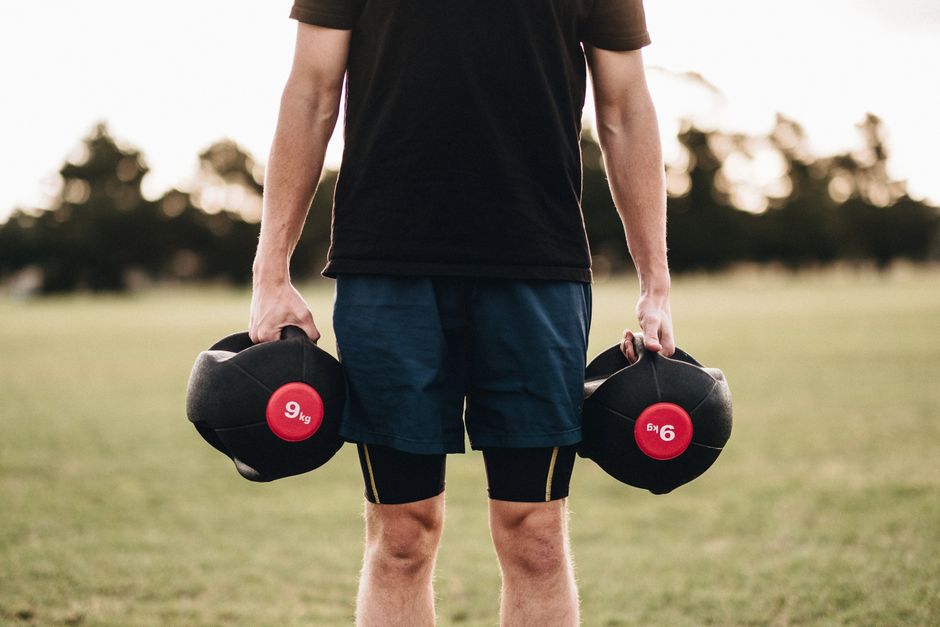
Perhaps most significantly, outdoor fitness participation has surged. Active use of the Newcastle Quayside's running routes, Town Moor, and Heaton Park has increased 52% year-on-year. Free or low-cost activity—park runs, outdoor bootcamps, cycling groups—now account for roughly a quarter of all documented fitness participation in the city, suggesting economic pressures and environmental consciousness are reshaping how Newcastle stays active.
The data also reveals gender dynamics worth noting. Women represent 47% of gym memberships across council facilities, a notable rise from 41% in 2022, though private premium gyms remain more evenly balanced. Female-specific fitness classes have nearly doubled in availability.
These participation trends don't just reflect individual choices—they mirror broader shifts in Newcastle's character. A city once defined by heavy industry now increasingly defines itself through wellness, accessibility, and community-driven fitness. The numbers suggest we're becoming fitter, more diverse in our approach to exercise, and increasingly conscious of cost. That's Newcastle's fitness culture in 2026.
This article was compiled by AI from the sources linked above and screened before publishing. See our editorial standards.