Verified by The Daily Newcastle editorial teamLast verified: 29 June 2026
How we report this▾
Our reporters are based in Newcastle and cover local government, business, courts and community. The Daily Newcastle is independently owned and editorially independent. We publish corrections promptly and label any sponsored content.
Outdoor climbing is booming across the North East, and Newcastle sits perfectly positioned to tap into one of Britain's fastest-growing adventure sports. Whether you're drawn to rock faces or high-wire thrills, getting started is more accessible than you might think—but knowing where to begin matters.
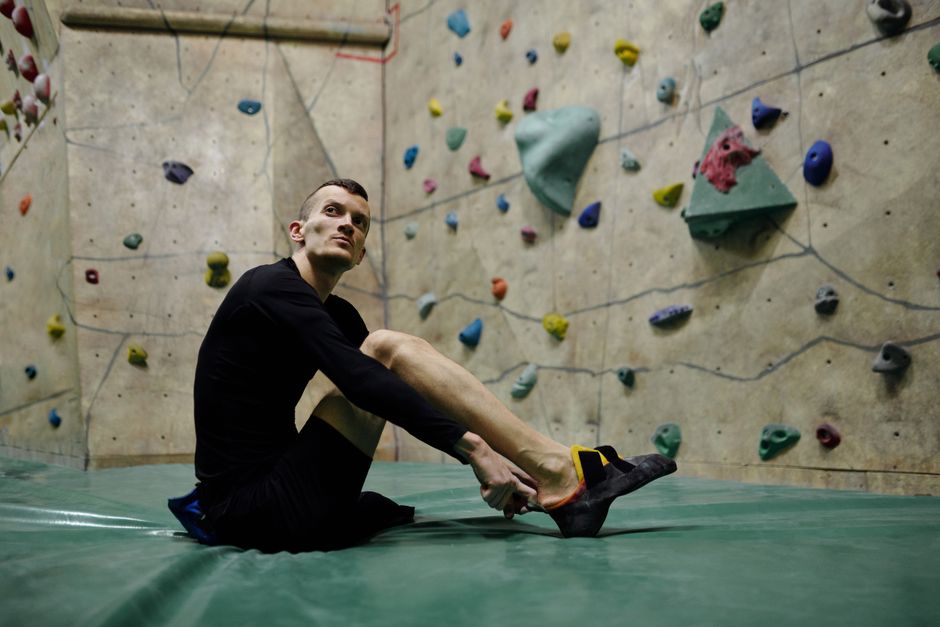
The first step isn't necessarily a cliff. Most climbers train indoors before tackling outdoor rock. Syzygy Climbing on Collingwood Street offers day passes from £12 and beginner courses that teach fundamental techniques in a controlled environment. The gym attracts around 800 regular members and runs weekly intro sessions covering safety, footwork and rope management. Staff recommend at least 4-6 weeks of indoor training before attempting outdoor crags.
Once you're ready for real rock, Northumberland's crags are your playground. Bouldering spots like Bowden Doors, near Corbridge, are just 30 minutes from Newcastle's city centre and require minimal equipment—just climbing shoes (£60-150), a chalk bag and a crash mat. Sport climbing, which uses pre-installed anchors and ropes, needs more investment: harness (£30-80), belay device (£15-40) and dynamic rope (£100-150). Most climbers spend £300-500 initially.
The Newcastle Outdoor Club, based through various meet-up groups and social networks, connects climbers of all levels and organises weekend trips to established crags across the region. They stress that outdoor climbing demands additional skills beyond gym training—rope management, anchor assessment and weather awareness. A single outdoor course through providers like Discover Adventure (offering sessions at nearby Peak District locations) costs around £150-200 but proves invaluable for learning risk assessment.
Safety certification matters. While not legally required, the IFCΟΡC scheme recognises competent climbers and is increasingly expected at organised events. Many outdoor venues, particularly those managed by conservation trusts, expect climbers to demonstrate basic knowledge.
The physics and mental discipline required attract diverse demographics. Local climbing communities span teenagers to retirees, with women now making up roughly 30-40% of UK climbing participants—a significant shift from a decade ago. Accessibility is improving too: adaptive climbing programmes now operate at several UK gyms, with Newcastle's climbing community increasingly discussing inclusive approaches.
Starting in summer offers advantages: longer daylight, better weather and more experienced climbers available for partnership. Newcastle's vibrant outdoor community means you'll find mentors, training partners and route suggestions readily available through local climbing networks. The key is starting indoors, investing in proper instruction, and respecting the learning curve before you clip your first carabiner on real rock.
This article was compiled by AI from the sources linked above and screened before publishing. See our editorial standards.