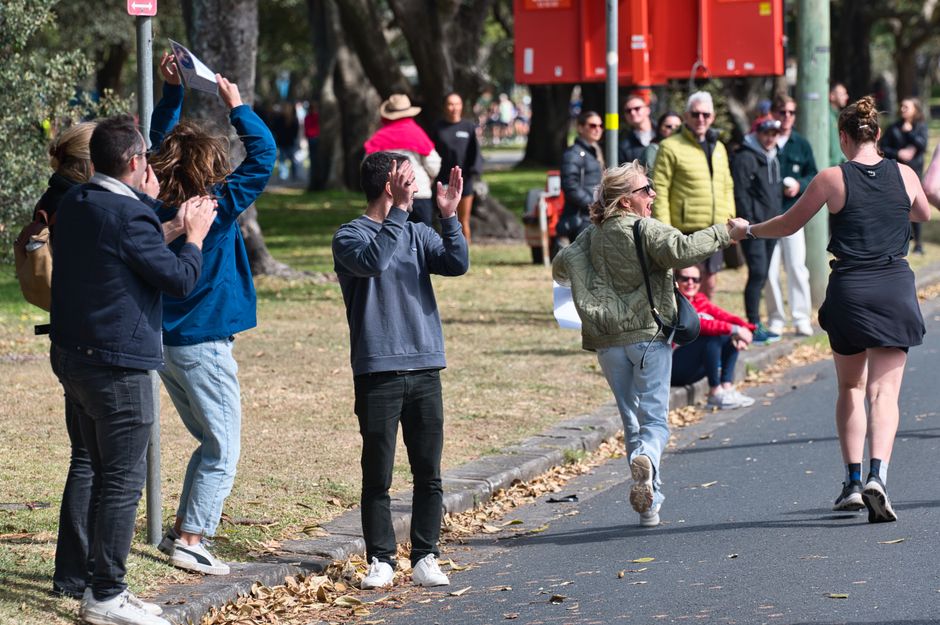
From Local Pitches to City Pride: The Grassroots Revolution Reshaping Newcastle's Amateur Sport
A network of volunteer-run clubs across the city's neighbourhoods is quietly transforming how thousands of residents stay active, belong to community and discover sporting talent.
Verified by The Daily Newcastle editorial teamLast verified: 29 June 2026
How we report this▾
Our reporters are based in Newcastle and cover local government, business, courts and community. The Daily Newcastle is independently owned and editorially independent. We publish corrections promptly and label any sponsored content.
On Tuesday evenings, the concrete courts behind the Ouseburn Community Centre hum with energy. Twenty-odd amateur badminton players, ranging from teenagers to retirees, gather for league matches that cost just £3 per person. It's a scene replicated across Newcastle—in neighbourhood halls, municipal pitches and converted warehouses—where grassroots sport has become the invisible infrastructure holding communities together.
The Amateur Sports Alliance Newcastle, a federation representing over 140 registered clubs, estimates that roughly 45,000 residents participate in organized recreational leagues across football, netball, badminton, volleyball and cricket. Yet these operations remain largely underfunded and understaffed, surviving on the goodwill of unpaid volunteers who manage everything from fixture scheduling to equipment maintenance.
"We don't have the glamour of professional football," says the coordinator at Benwell United, a grassroots five-a-side league operating from Benwell Community Park since 2008. "What we have is something deeper—people who come back week after week because they've found their tribe." The league runs eight divisions with teams paying around £180 per season, generating roughly £15,000 annually that funds pitch hire, referees and modest prize pots.
Similar stories emerge across the city's neighbourhoods. The Jesmond Volleyball Club, operating from a converted warehouse on Osborne Road, has grown from twelve members in 2015 to over seventy today. Meanwhile, Tynemouth Cricket Club's women's section—established just four years ago—now fields two competitive teams, reflecting a broader shift toward inclusive grassroots programming.
Local authorities have recognized this movement's value. Newcastle City Council's Community Sport Grants scheme distributed £380,000 last year to grassroots organisations, though administrators note demand far exceeds available funding. Many clubs operate on threadbare budgets, with volunteer coordinators funding basics from personal pockets.
What distinguishes Newcastle's grassroots movement is its democratic ethos. League committees, typically comprising 4-6 volunteers, make decisions collectively. Training costs remain deliberately low—many clubs charge £4-6 per session—ensuring accessibility across income levels. This contrasts sharply with commercial fitness operators dominating city centre spaces.
As professional sport captures headlines, these amateur networks quietly cultivate belonging, health and resilience across Newcastle's diverse neighbourhoods. They represent something less visible but equally vital: the connective tissue of community itself.
This article was compiled by AI from the sources linked above and screened before publishing. See our editorial standards.