From the Tyne to the Pitch: How Newcastle's Amateur Sports Clubs Are Building Thriving Communities
Local recreational leagues are experiencing unprecedented growth, with participation rates up and membership fees remaining accessible for working families across the city.
Verified by The Daily Newcastle editorial teamLast verified: 29 June 2026
How we report this▾
Our reporters are based in Newcastle and cover local government, business, courts and community. The Daily Newcastle is independently owned and editorially independent. We publish corrections promptly and label any sponsored content.
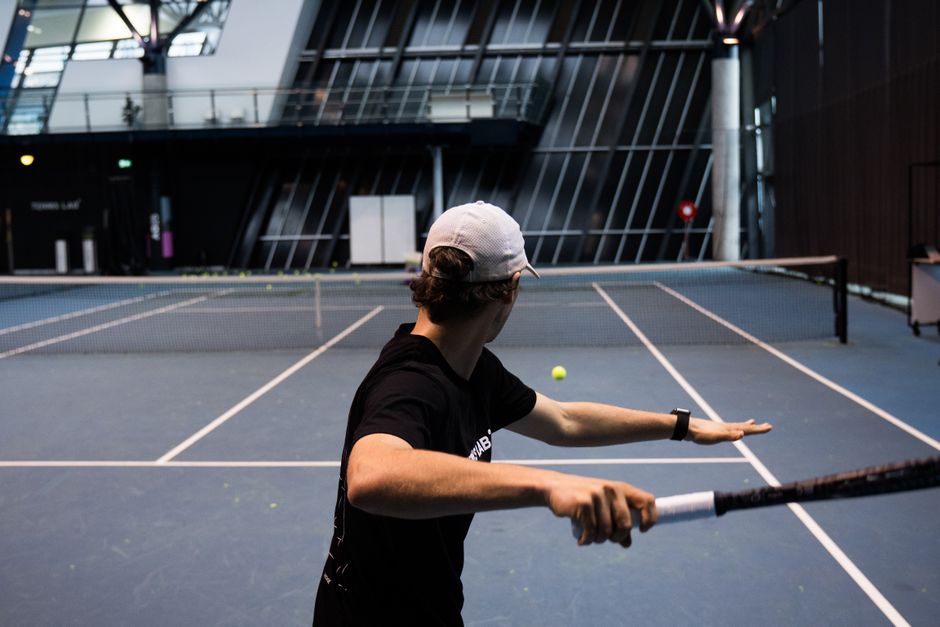
Walking past the playing fields near Jesmond Dene on a Thursday evening, you'll find them packed—badminton courts booked solid, tennis rackets clacking against balls, footballers jogging between cones under the fading summer light. This is the reality of Newcastle's amateur sports scene in 2026, and it's booming.
The Newcastle Amateur Football League, which oversees fixtures across the city's parks and facilities from Walker to Benwell, has seen membership climb 23 percent over the past three years. David Weatherley, the league's fixtures secretary, attributes the surge to clubs actively recruiting in schools and community centres rather than waiting passively for players to arrive. Teams competing across divisions now number over 140, representing neighbourhoods most Geordies couldn't name five years ago.
At Heaton Harriers Athletics Club, based near the Brandling Park area, monthly membership sits at £18 for adults and £8 for juniors—deliberately pitched to keep sport accessible. "We've never wanted running to be elitist," one committee member explained. Their membership has grown from 340 to 680 members since 2023. Similar patterns repeat across badminton clubs in Ouseburn, cricket clubs in Gosforth, and the burgeoning netball leagues using courts at leisure centres on the Westgate Road.
What's driving this isn't just nostalgia or pandemic-era fitness resolutions. Clubs have smartly integrated social components—post-match drinks, family events, volunteering opportunities—transforming recreational sport from transactional exercise into genuine community infrastructure. The Newcastle Cycling Collective, operating out of a converted warehouse space near the Ouseburn Valley, combines evening rides with repair workshops and mentoring for younger cyclists. Membership fees fund equipment and maintenance; the camaraderie keeps people returning.
The Local Authority's Active Newcastle strategy has helped, allocating £2.3 million to facility improvements across 2024-26, but the real catalyst remains grassroots volunteers. Club secretaries, coaches, and match organisers—mostly unpaid—are the backbone. These aren't professional administrators; they're neighbours coordinating spreadsheets and WhatsApp groups.
Challenges persist: pitch availability remains tight during winter months, and many clubs still operate on razor-thin margins. Yet the trajectory is undeniable. Newcastle's recreational sports clubs aren't just surviving; they're weaving themselves into the fabric of neighbourhoods, proving that community thrives when people play together.
This article was compiled by AI from the sources linked above and screened before publishing. See our editorial standards.