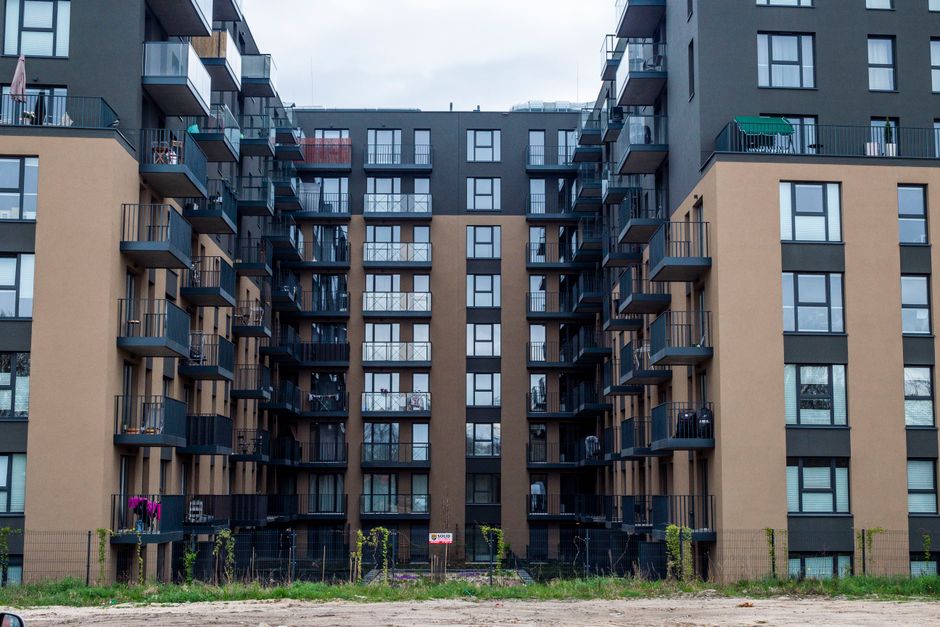
Newcastle's off-the-plan apartment boom offers value but carries risks. Compare Islington precinct pricing, construction delays, and market volatility before buying.
Verified by The Daily Newcastle editorial teamLast verified: 28 June 2026
How we report this▾
Our reporters are based in Newcastle and cover local government, business, courts and community. The Daily Newcastle is independently owned and editorially independent. We publish corrections promptly and label any sponsored content.
Newcastle's apartment market is booming. From the port precinct to Islington's renewal precincts, off-the-plan developments are reshaping the city's residential landscape. But for buyers tempted by artist's renderings and developer promises, the reality can be far messier than the glossy brochures suggest.
The rewards are tangible. Off-the-plan apartments typically offer better value than established stock—a two-bedroom in the emerging Islington precinct might list at $550,000–$620,000 off-the-plan, compared to $680,000+ for a comparable resale. Buyers lock in today's prices while waiting for completion, hedging against market rises. New apartments also come with modern fixtures, energy-efficient design, and typically longer warranties than aging stock in suburbs like Mayfield.
The port precinct transformation has been particularly compelling for investors and owner-occupiers. Proximity to waterfront parks, the revitalised Honeysuckle precinct, and future transport links justifies premium positioning. Developers are banking on this narrative—and often delivering it.
Yet risks loom larger than many realise. Construction delays are endemic. A project scheduled for 2027 completion frequently slips to 2028 or beyond, locking buyers into holding costs and emotional limbo. More concerning: price volatility. If Newcastle's median ($720,000 across NSW, locally softer in some areas) stalls or retreats, off-the-plan buyers who've committed can find themselves underwater before the keys change hands. Recent national data on first-home buyer exposure suggests this cohort faces the greatest downside risk.
Financial gatekeeping is real too. Lenders often require larger deposits for off-the-plan stock—15–20% is common, versus 10% for established homes. Valuations can also disappoint: a bank may value your $600,000 apartment at $580,000 upon completion, forcing renegotiation or additional funds.
Developer solvency adds another layer of jeopardy. While major builders rarely collapse, smaller operators have stumbled, leaving buyers in limbo with incomplete projects and frozen deposits.
Smart buyers treat off-the-plan like any major bet: due diligence matters enormously. Inspect the developer's track record, review independent valuations early, understand contract exit clauses, and stress-test your financing against 12–24 month delays. Suburbs like Mayfield and Islington, with strong council planning backing, present lower-risk environments than speculative fringe precincts.
Newcastle's apartment boom is real and will likely persist. But the allure of shiny new stock shouldn't blind buyers to genuine financial and timing risks. The reward exists—just not without careful navigation.
This article was compiled by AI from the sources linked above and screened before publishing. See our editorial standards.