Stockton has quietly become Newcastle's hottest waterfront story. Perched directly across the Hunter River from the CBD, this historically industrial suburb is experiencing genuine price momentum as major precinct transformation reshapes its identity and investor appeal.
Median values have climbed to around $580,000–$620,000 for houses, a solid 8–10 per cent jump over the past 18 months, according to local agents. That's notably outpacing broader regional growth and reflects renewed confidence in the area's long-term fundamentals.
The catalyst is simple: infrastructure and vision. The Port Authority's waterfront activation strategy has already delivered the Queens Wharf precinct, now home to restaurants, bars, and public spaces that draw weekenders and residents alike. More significantly, staged residential and mixed-use development is being approved along the foreshore, with several medium-density projects already in construction phase. This isn't speculative hype—it's funded, council-approved change.
What makes Stockton different from traditional Newcastle suburbs is its river-facing position and genuine walkability to emerging hospitality strips. Streets like Macquarie and Watt now support cafes and small bars that barely existed five years ago. The Stockton Beach precinct, meanwhile, remains an underrated asset—a proper coastal setting within easy reach of the city.
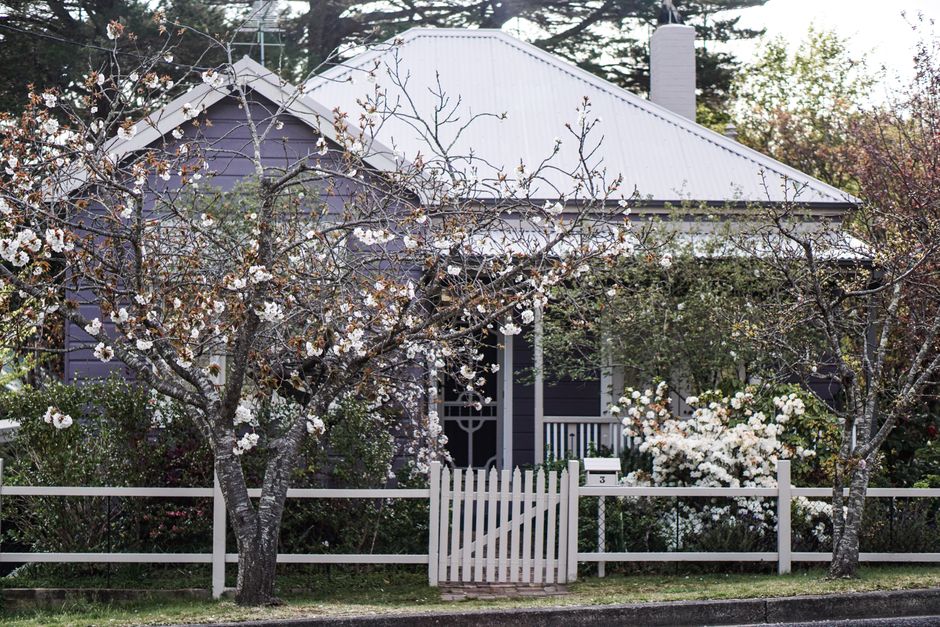
First-home buyers are taking notice. While Islington and Mayfield are now firmly mainstream, Stockton still offers comparative value, particularly in renovated workers' cottages and new townhouse products. Entry-level homes remain accessible sub-$500,000 for investors and owner-occupiers alike.
The risk-reward calculation favours the believers. Yes, Stockton carries residual industrial imagery—the port still operates actively—but that's precisely what supports its long-term fundamentals. Port-dependent towns don't disappear, and Newcastle's deep-water facilities are increasingly valuable as supply-chain alternatives to congested Sydney.
Local agents report strong inquiry from Sydney investors seeking yield and growth outside the capital's stretched valuations. The NSW median sits around $720,000; Stockton's sub-$620,000 positioning, combined with development momentum and waterfront positioning, represents compelling asymmetry.
For serious investors with a 5–10 year horizon, Stockton ticks boxes that Merewether and Cooks Hill—already expensive—simply cannot. It's where coastal lifestyle meets affordable entry, backed by genuine precinct investment.
The question isn't whether Stockton will continue moving; it's how long before broader recognition catches up to early movers already positioned there.
This article was compiled by AI from the sources linked above and screened before publishing. See our editorial standards.