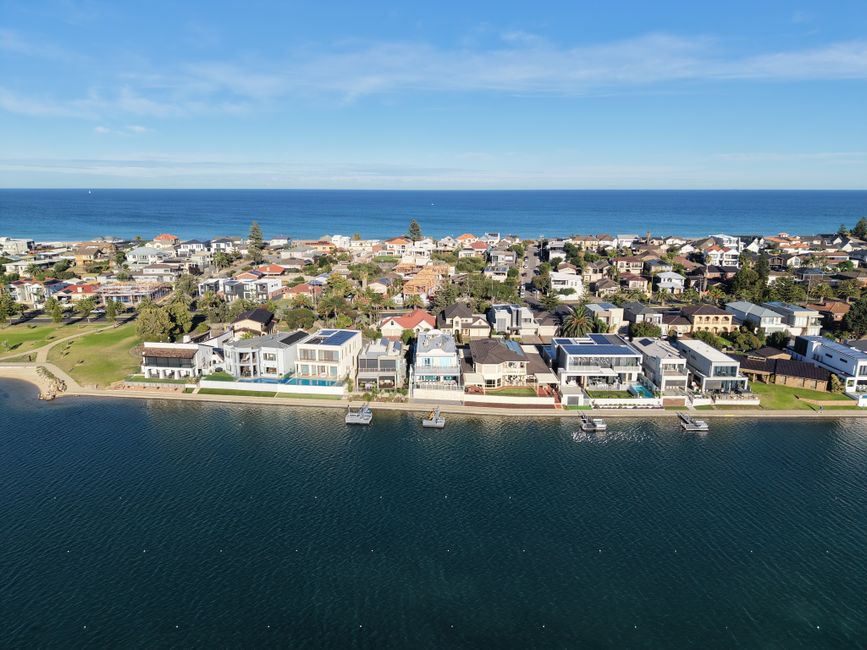
Newcastle's property market is rising, but anyone comparing today's conditions to the frenzied boom of 2021 will notice one crucial difference: discipline has replaced desperation.
In 2021, the city experienced what can only be described as a gold rush. Interstate migrants flooded the region, auction clearance rates hit the mid-80s, and streets like Tyrrell in Merewether and Lightwood Road in Lambton saw bidding wars that defied logic. Median prices surged from around $580,000 to peak above $680,000 within 18 months. First-home buyers were being shouldered out of the market entirely.
Today's market tells a different story. While Newcastle's median has stabilised around $720,000—reflecting genuine growth rather than speculative euphoria—the conditions underneath are fundamentally healthier. Auction clearance rates hover in the low-to-mid 60s. Properties spend longer on market. Vendors are more realistic about pricing.
The Islington and Mayfield renewal precincts exemplify this shift. Back in 2021, new apartment projects attracted investors treating them as tickets to quick capital growth. Now, these same developments appeal primarily to owner-occupiers and genuine downsizers. Median apartment prices in these suburbs have stabilised around $450,000–$500,000, compared to the speculative peaks of five years ago.
Suburbs like Merewether and The Hill remain sought-after, but for different reasons than the pandemic boom. Rather than FOMO-driven bidding, demand reflects structural factors: Sydney overflow migration that's sustainable, improved transport links to the CBD, and Newcastle's emergence as a genuine regional employment hub. A quality family home on Elfin Street in Merewether now commands $1.2m–$1.4m—up from 2021 levels, yes, but without the irrational exuberance.
The port precinct transformation and waterfront amenities around Honeysuckle continue to attract buyers, but investment appetite is selective rather than indiscriminate. Developer data shows absorption rates are steadier and more predictable than during the 2021 rush.
Interest rates remain the elephant in the room. At current levels, serviceability is tighter than it was in 2021's ultra-loose monetary environment. This naturally cools speculative activity while benefiting serious long-term buyers. First-home buyers acknowledge the market is competitive, but less hostile than five years ago.
Newcastle's market has matured. It's still growing, still attracting capital, but it's doing so on firmer foundations. That may not generate headlines, but for the city's long-term stability, it's far more valuable than another boom-bust cycle.
This article was compiled by AI from the sources linked above and screened before publishing. See our editorial standards.