New Apartment Tower: What It Means for the Local Market
A planned 28-storey development in Islington promises to reshape Newcastle's inner-city housing landscape and inject fresh momentum into the region's rental and resale sectors.
Verified by The Daily Newcastle editorial teamLast verified: 27 June 2026
How we report this▾
Our reporters are based in Newcastle and cover local government, business, courts and community. The Daily Newcastle is independently owned and editorially independent. We publish corrections promptly and label any sponsored content.
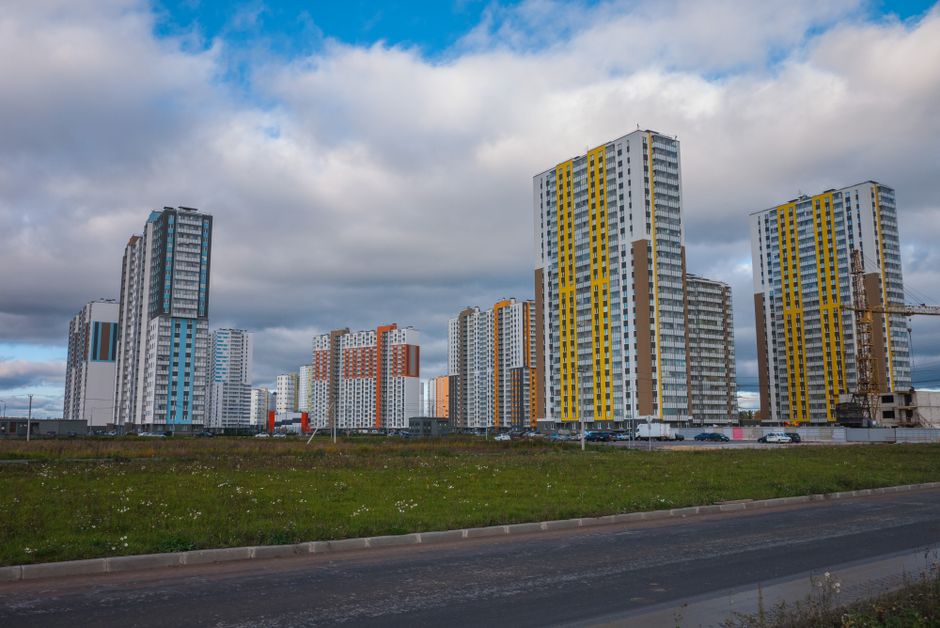
Newcastle's property market is bracing for significant change with the green-light for a major mixed-use apartment tower on Hannell Street in Islington. The $185 million project, approved by City of Newcastle in recent weeks, will introduce 340 apartments across 28 storeys alongside ground-floor retail and a 200-space basement car park—a scale of infill development that hasn't been seen in the inner west for nearly a decade.
For local agents and investors, the implications are substantial. The tower is expected to deliver its first residents by late 2028, opening a new rental cohort at the precise moment when Newcastle's vacancy rate sits near historic lows. Currently, the broader Newcastle median hovers around $720,000, but inner-city apartments in Islington and neighbouring Mayfield are trading in the $550,000–$750,000 range. The new tower's likely price point—estimated at $650,000 to $900,000 depending on size and position—will establish a competitive baseline that could cool some of the recent vendor optimism in the surrounding stock.
More immediately, the project signals developer confidence in Newcastle as a Sydney overflow market. With first-home buyers increasingly priced out of Sydney's inner west, the NSW Central Coast has become a natural landing zone. This tower capitalises on that demographic shift, particularly families and young professionals seeking walkable urban environments close to employment hubs and transport links.
Local amenity matters here. The Islington development sits within walking distance of Civic Park, the Newcastle Museum, and the revamped Honeysuckle precinct—assets that justify apartment-living for renters and investors alike. Hannell Street itself is undergoing gradual renewal; several smaller renovations and cafe openings over the past 18 months suggest the street is ready to support higher-density living.
For existing apartment owners in Islington and Mayfield, the new supply will likely tighten rental yields slightly, as competition increases. However, agents note that secondary stock—older walk-ups and smaller units—may experience downward pressure on asking prices, particularly if they lack modern finishes or parking. Well-presented 2–3 bedroom apartments in heritage-listed buildings, conversely, may hold value as lifestyle alternatives to the tower's more compact offerings.
The broader port precinct transformation—including the proposed $2 billion mixed-use development at Walsh Point—creates a cumulative effect. Successive waves of housing supply, jobs growth, and public infrastructure investment could elevate Newcastle's status as a genuinely distinct market rather than a satellite of Sydney.
For buyers and investors, the message is clear: the clock is ticking on current-price entry points in Islington and Mayfield. Once this tower rises, the market's character will shift permanently.
This article was compiled by AI from the sources linked above and screened before publishing. See our editorial standards.