Newcastle's property market has long been shaped by first-home buyers and investors chasing Sydney overflow. But a quieter investment trend is gaining traction: disability housing backed by National Disability Insurance Scheme funding.
The NDIS, which supports nearly 600,000 Australians with disability, has fundamentally altered how specialist residential properties are valued and leased. For Newcastle investors, understanding this market could unlock returns in a sector less exposed to the cyclical pressures hitting mainstream residential.
Unlike traditional rentals, NDIS-funded properties operate under long-term support agreements. Participants receive individualised funding packages to secure housing and support services. Property owners partnering with approved providers benefit from stable, indexed-linked income streams—currently averaging 5–7% gross yields across regional NSW, well above Newcastle's median rental return of around 3.5% to 4%.
"The NDIS creates a different tenant profile," explains Justine Clarke, a Newcastle-based property strategist. "Income is government-guaranteed. The occupancy risk is lower. But the property must meet specific design and accessibility standards."
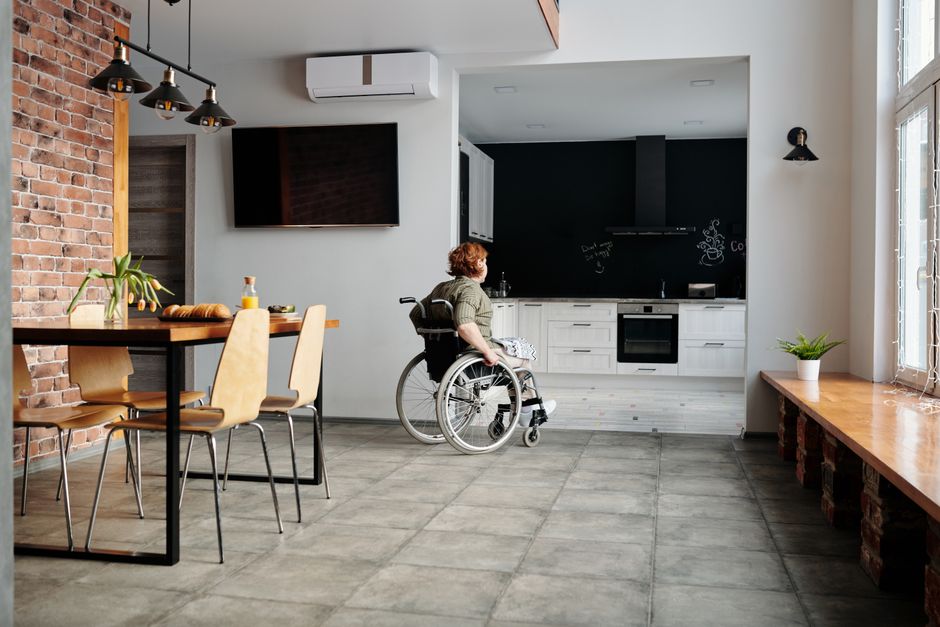
That means capital requirements. A typical Newcastle investment—say, a three-bedroom home in Islington or Mayfield, priced at $680,000–$750,000—may need $40,000 to $80,000 in modifications: wider doorways, accessible bathrooms, level access, outdoor spaces. However, these upgrades often add resale value and broaden the tenant pool beyond NDIS users.
Islington and Mayfield have emerged as micro-hubs for this investment class. Both suburbs are undergoing urban renewal, with improved transport links and services. Mayfield's port precinct transformation is attracting property interest more broadly, but disability housing investors recognise the area's proximity to healthcare, support services, and Newcastle's city renewal corridor along Hunter Street.
The mechanics are straightforward: investors either lease directly to NDIS participants (who receive housing payments as part of their plan) or partner with registered providers like group homes or disability accommodation agencies. The latter typically handles tenant management and maintenance coordination, though landlords retain ownership and equity growth.
Risks exist. NDIS policy changes could alter funding models. The scheme itself remains under scrutiny regarding sustainability. Property-specific issues—disability housing relies on long-term provider partnerships, which can shift—require due diligence.
For Newcastle investors navigating a market where median prices hover around $720,000 and first-home buyer competition remains fierce, NDIS-backed disability housing offers a counterbalance: lower vacancy risk, indexed returns, and alignment with social impact investment trends gaining traction among conscious investors.
The sector remains niche but is professionalising rapidly. Specialist advisors now operate across Newcastle's inner suburbs, helping investors identify suitable properties and navigate NDIS compliance.
This article was compiled by AI from the sources linked above and screened before publishing. See our editorial standards.