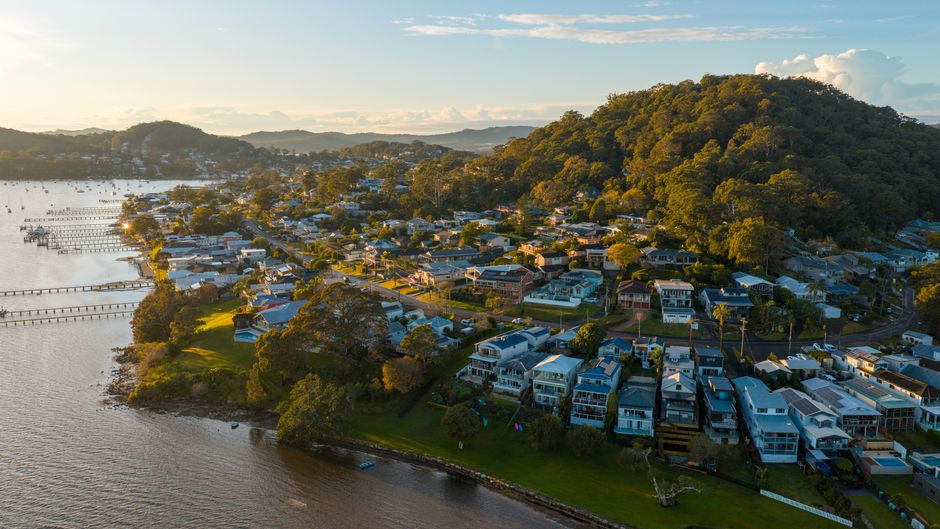
Stockton's quiet rise: the affordable suburb outperforming all its neighbours
While nearby Islington and Mayfield command premium prices, this overlooked pocket is delivering capital growth, rental yields and genuine buyer accessibility.
Verified by The Daily Newcastle editorial teamLast verified: 27 June 2026
How we report this▾
Our reporters are based in Newcastle and cover local government, business, courts and community. The Daily Newcastle is independently owned and editorially independent. We publish corrections promptly and label any sponsored content.
Stockton has long played second fiddle to its glittering neighbours. Islington's Victorian terraces and Mayfield's waterfront renewal have captured headlines and investor dollars for years. Yet a closer look at the numbers reveals something quietly remarkable happening south of the railway line: Stockton is delivering the growth story without the price tag.
The median house price in Stockton sits around $585,000—a genuine $100,000-plus discount to Islington and Mayfield, yet recent sales data shows properties here are appreciating at a rate that rivals both suburbs. Over the past 18 months, established homes in the quiet streets surrounding Stockton Park have sold in the $620,000–$680,000 range, representing solid double-digit annual growth for buyers who entered the market just two years ago.
"What we're seeing is smart money recognising value," says one local agent familiar with the pocket. First-home buyers priced out of the renewal precincts are discovering Stockton's bones are fundamentally sound. Tree-lined streets, proximity to Newcastle's CBD via the bypass, and access to Stockton Public School make it genuinely liveable—not merely speculative.
The rental market tells the same story. A three-bedroom character home in Stockton yields around 4.2–4.5 per cent, compared to 3.6–3.8 per cent across the water in Mayfield. For investors building portfolios in a rising interest-rate environment, that differential matters. Young professional tenants seeking affordable Newcastle living are filling vacancies faster than listings appear.
Infrastructure projects haven't hurt either. While most attention focuses on the port precinct transformation further north, Stockton's position as a natural gateway between the CBD and regional growth corridors is becoming harder to ignore. The proposed dualling of regional arterial routes would only strengthen its appeal as a commuter-friendly, affordable base.
It's worth noting this is no get-rich-quick scheme. Stockton will never command the cachet or prices of Islington's heritage charm or Mayfield's waterfront prestige. But that's precisely the point. For buyers serious about building equity—rather than chasing headlines—Stockton offers something increasingly rare in Newcastle: genuine affordability married to genuine growth prospects.
The national trend of first-home buyers gravitating toward secondary suburbs is well-documented. In Newcastle, where Sydney overflow continues reshaping the market, Stockton represents the rational choice: a pocket with character, infrastructure connectivity, and economics that actually work for ordinary buyers. Its neighbours have had their moment. Stockton's is just beginning.
This article was compiled by AI from the sources linked above and screened before publishing. See our editorial standards.