Verified by The Daily Newcastle editorial teamLast verified: 27 June 2026
How we report this▾
Our reporters are based in Newcastle and cover local government, business, courts and community. The Daily Newcastle is independently owned and editorially independent. We publish corrections promptly and label any sponsored content.
Newcastle's property market has long ridden Sydney's coattails, but demographic currents are now writing their own story. The next wave of demand won't come from the same cohorts who drove prices upward over the past decade. Instead, shifting age profiles, migration patterns and lifestyle priorities are reconfiguring which neighbourhoods will command attention—and capital.
The headline trend is unmissable: young families are relocating from Sydney to escape median prices hovering near $720,000 across NSW. Newcastle, sitting roughly two hours north, has become the logical overflow valve. But this isn't just about affordability arbitrage. Research indicates that post-COVID migration patterns have stuck. Remote work flexibility has made distance from the CBD less punitive, and suburbs like Islington and Mayfield—undergoing substantial renewal—are attracting first-home buyers in their late twenties and early thirties who might otherwise have delayed or abandoned ownership entirely.
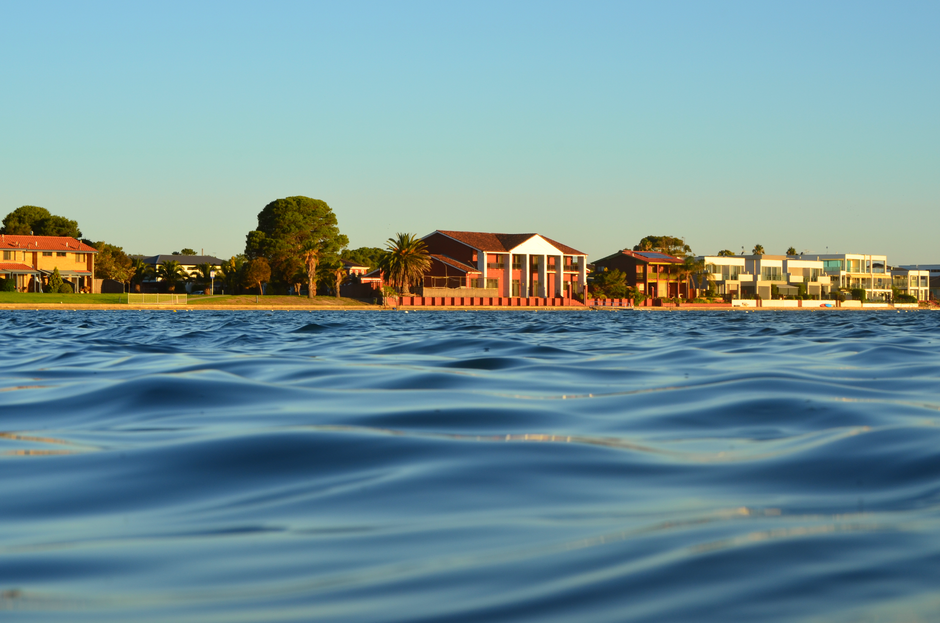
Simultaneously, an ageing population is creating secondary demand. Baby boomers are downsizing from family homes in outer suburbs and gravitating toward lifestyle-focused precincts closer to services, parks and cultural amenities. The Newcastle Waterfront precinct, with its renewed activation around Honeysuckle and the harbour foreshore, is a case study in how infrastructure investment can attract this demographic. Properties within 800 metres of the water command a premium, and not solely for investment reasons—the availability of quality restaurants, markets and recreational facilities matters profoundly to retirees with time and spending capacity.
The port precinct transformation signals another shift. Industrial-to-residential conversions, particularly around inner suburbs fringing the waterfront, are creating mixed-use neighbourhoods that appeal to young professionals seeking walkable urban character without Sydney's density costs. Prices in these pockets—typically $550,000 to $700,000 for a modest three-bedroom—remain accessible to dual-income households priced out of inner Sydney.
What's crucial for property investors and owner-occupiers alike: not all Newcastle suburbs will benefit equally. Demographically resilient areas—those with strong schools, accessible healthcare, retail diversity and transport links—will continue appreciating. Inner-ring renewals in Mayfield and Islington are particularly exposed to upside as young families consolidate their presence.
Conversely, outer suburbs reliant on a single demographic cohort face headwinds. As younger buyers move inward and retirees downsize, traditional family suburbs without compelling lifestyle credentials risk slower growth.
Newcastle's property future isn't determined by Sydney's overflow alone. It's being written by who chooses to stay—and why.
This article was compiled by AI from the sources linked above and screened before publishing. See our editorial standards.