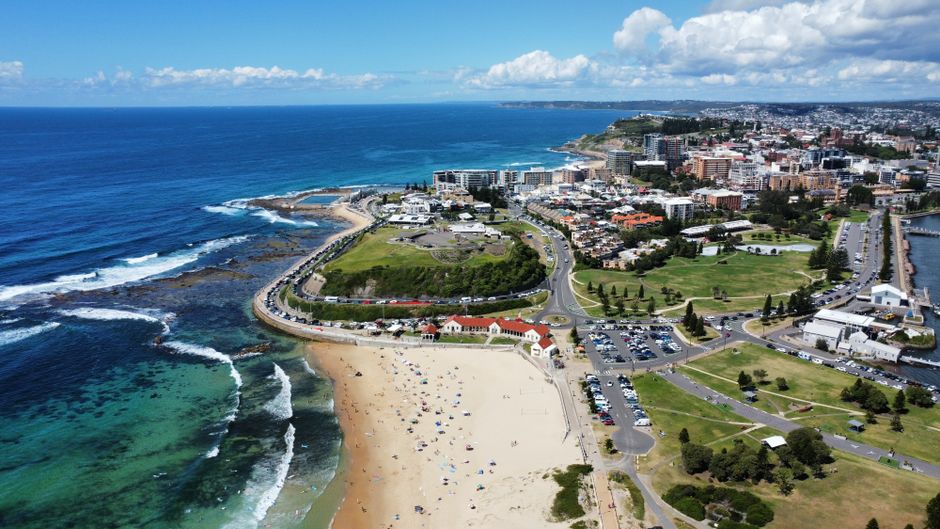
Newcastle's property market is sending clear signals about which suburbs are entering the early stages of gentrification, and savvy investors are already reading the map.
The transformation isn't happening uniformly across the city. While the median house price across Newcastle hovers around $720,000, pockets of rapid appreciation are emerging in suburbs showing predictable early-stage gentrification indicators: improved transport links, cafe openings, heritage preservation projects, and young professional migration from Sydney.
Islington and Mayfield are textbook cases. Once overlooked for their industrial heritage, these inner-west suburbs are now magnets for buyers priced out of Carrington and Cooks Hill. Islington's ongoing street-by-street renewal has lifted median prices significantly in the past 18 months, while Mayfield's position between Newcastle CBD and the waterfront redevelopment makes it increasingly attractive. Local real estate agents report multiple offers becoming standard on mid-range properties—a sure sign of heating demand.
The port precinct transformation is creating a secondary ripple effect. Stockton, historically positioned as a working-class neighbourhood, is beginning to show the early markers: improved streetscapes around the foreshore, new hospitality venues opening along the waterfront, and younger demographics moving in. Heritage-listed terraces that sold for $450,000-$550,000 three years ago now command premium interest.
Waratah presents another case study. Investment in civic infrastructure—park upgrades around Waratah Park, improved retail precincts along Main Street—coincides with growing foot traffic and cafe culture. These aren't accidental improvements; they're deliberate placemaking that precedes property value acceleration.
But gentrification indicators extend beyond prices. Look for lifestyle shifts: farmers markets appearing in neighbourhood parks, independent bookshops or specialty coffee roasters opening, heritage buildings receiving sympathetic renovations. These cultural markers typically precede—and predict—sustained price growth.
The Newcastle property market is also benefiting from broader Sydney spillover. As first-home buyers face exposure in overheated coastal markets, Newcastle's combination of affordability, heritage character, and emerging cultural identity is increasingly compelling. The regional hub growth narrative is real, backed by infrastructure spend and employment diversification beyond traditional port industries.
For investors and residents alike, understanding gentrification indicators matters. Early signs—whether infrastructure investment, demographic shifts, or new hospitality venues—often precede rapid appreciation. But they also herald changing neighbourhood character, something long-term residents experience first-hand before property valuations catch up.
Newcastle's gentrification story isn't finished writing. The key is identifying which suburbs are in early chapters versus later ones.
This article was compiled by AI from the sources linked above and screened before publishing. See our editorial standards.