news
Newcastle's Coastal Erosion Crisis: The Data Statistics and Numbers Behind the Story
A closer look at the shocking statistics and data driving the need for urgent action to protect the city's coastline and residents
How we reported this
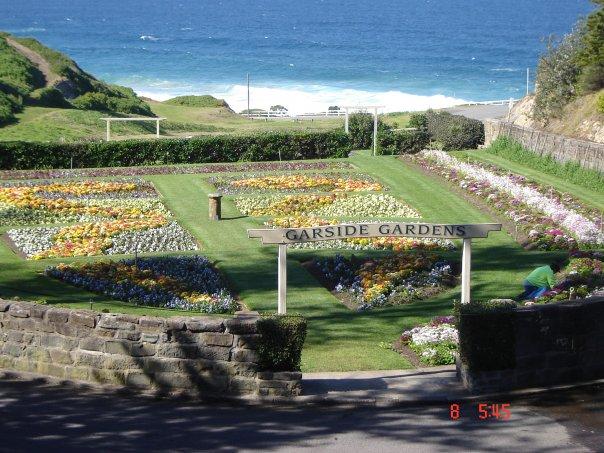
Newcastle's coastline is facing an unprecedented erosion crisis, with the latest data showing that over 100 metres of coastline has been lost in the past year alone.
This matters now because the city is experiencing more frequent and intense weather events, exacerbated by climate change, which are putting homes, businesses, and infrastructure at risk. The NSW Government has committed to investing in coastal protection measures, but the scale and complexity of the problem require a comprehensive and data-driven approach.
In Newcastle, the impact of coastal erosion is being felt in specific locations such as Bar Beach, where the coastal walk has been closed due to safety concerns, and the suburb of Stockton, where residents are fighting to save their homes from the encroaching sea. The University of Newcastle's Centre for Coastal Management is working with the City of Newcastle Council and the NSW Department of Planning and Environment to develop strategies for mitigating the effects of erosion, including the use of renewable energy-powered sea walls and dunes restoration.
The Numbers Behind the Crisis
According to data from the NSW Department of Planning and Environment, the cost of coastal erosion to the NSW economy is estimated to be around $1.1 billion per year, with the majority of this cost borne by local councils and residents. In Newcastle, the City Council has allocated $10 million in the current budget for coastal protection measures, including the construction of a new sea wall at Nobbys Beach. However, with the estimated cost of protecting the city's coastline over the next 10 years estimated to be around $100 million, it is clear that more needs to be done to address the scale of the problem.
The NSW Government's Coastal Management Act 2016 provides a framework for managing the state's coastline, but the implementation of this act is dependent on the collection and analysis of accurate data. The University of Newcastle's research into coastal erosion is providing critical insights into the causes and consequences of this phenomenon, including the role of climate change, sea level rise, and human activities such as coastal development.
So what happens next? The City of Newcastle Council is currently developing a Coastal Management Plan, which will outline the strategies and actions needed to protect the city's coastline over the next 10 years. Residents and businesses can get involved in this process by attending community consultations and providing feedback on the draft plan. In the meantime, residents in high-risk areas such as Stockton and Bar Beach can take practical steps to protect their properties, such as installing flood-proof doors and windows, and staying informed about weather warnings and evacuation procedures.