While Melbourne's auction market captures national headlines and Sydney continues to dominate prestige property sales, Newcastle's property sector is experiencing a more understated but equally significant transformation driven by major infrastructure investment.
The convergence of rail network modernisation, port precinct redevelopment, and housing intensification across inner-city precincts is creating unexpected opportunities for savvy buyers and investors looking beyond the established strongholds of Islington and Mayfield.
Recent planning approvals signal that Newcastle Council is actively facilitating mixed-use developments along the City to Hexham rail corridor, a move that's already beginning to reflect in property values across suburbs like Broadmeadow and Wickham. The median house price across Newcastle sits around $720,000, but strategic pockets are seeing double-digit growth as buyers anticipate the completion of infrastructure works expected through 2026.
"We're seeing genuine interest from Sydney overflow buyers who recognise Newcastle's value proposition," says one local agent familiar with recent development approvals. "The difference is these buyers aren't just chasing established postcodes—they're researching planning maps and infrastructure timelines."
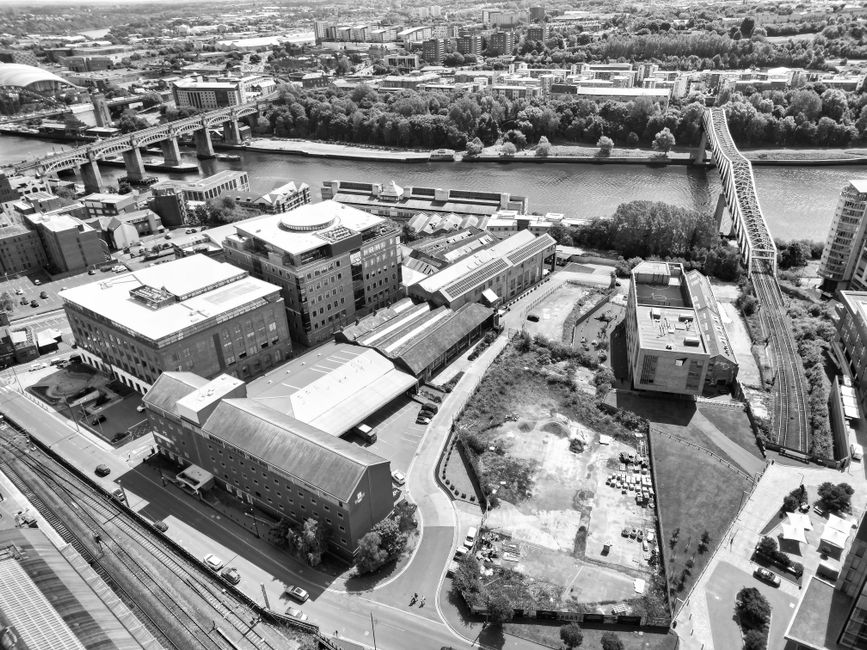
The port precinct transformation deserves particular attention. Planned commercial-to-residential conversions in the Newcastle waterfront precinct are expected to deliver approximately 800 new residential dwellings over the next five years, fundamentally reshaping this historically industrial area. Early adopters purchasing in adjacent suburbs like Carrington and The Hill are positioning themselves for significant capital appreciation as these projects come to fruition.
Inner-city renewal continues to accelerate in Islington and Mayfield, where established renovation activity is being supplemented by new apartment approvals. The combination of heritage character homes attracting renovation investors and modern infill apartments creating diverse housing options is broadening the appeal of these central suburbs.
The First Home Owner's Grant remains relevant for Newcastle buyers, with the current $30,000 state incentive providing meaningful assistance when combined with first-home buyer conveyancing concessions. For those stretching to enter the market, these schemes still provide tangible benefit—particularly for properties under $800,000 in emerging precincts.
Newcastle's advantage lies in its positioning as a secondary market benefiting from both infrastructure investment and Sydney's chronic affordability crisis. While national attention focuses on Melbourne's election-driven sentiment and Sydney's prestige deals, Newcastle's methodical, infrastructure-led growth represents the kind of patient, strategic opportunity that builds long-term wealth.
The question isn't whether Newcastle's property market will perform—it's whether you'll be positioned in the right suburbs when the infrastructure projects cross the finish line.
This article was compiled by AI from the sources linked above and screened before publishing. See our editorial standards.