The Daily Newcastle

Newcastle news, every day

News

Port of Newcastle posts record coal export volumes despite state phaseout targets

Updated

The paradox of rising export volumes amid domestic phase-down reflects international demand that continues to outstrip supply.

By Newcastle Daily · 1 June 2026 at 11:09 pm

2 min read· 284 words

Updated 27 June 2026 at 11:09 pm

ShareXFacebookLinkedIn
Verified by The Daily Newcastle editorial teamLast verified: 28 June 2026
How we report this

Our reporters are based in Newcastle and cover local government, business, courts and community. The Daily Newcastle is independently owned and editorially independent. We publish corrections promptly and label any sponsored content.
Read our editorial standards → · Inside the newsroom

Port of Newcastle posts record coal export volumes despite state phaseout targets
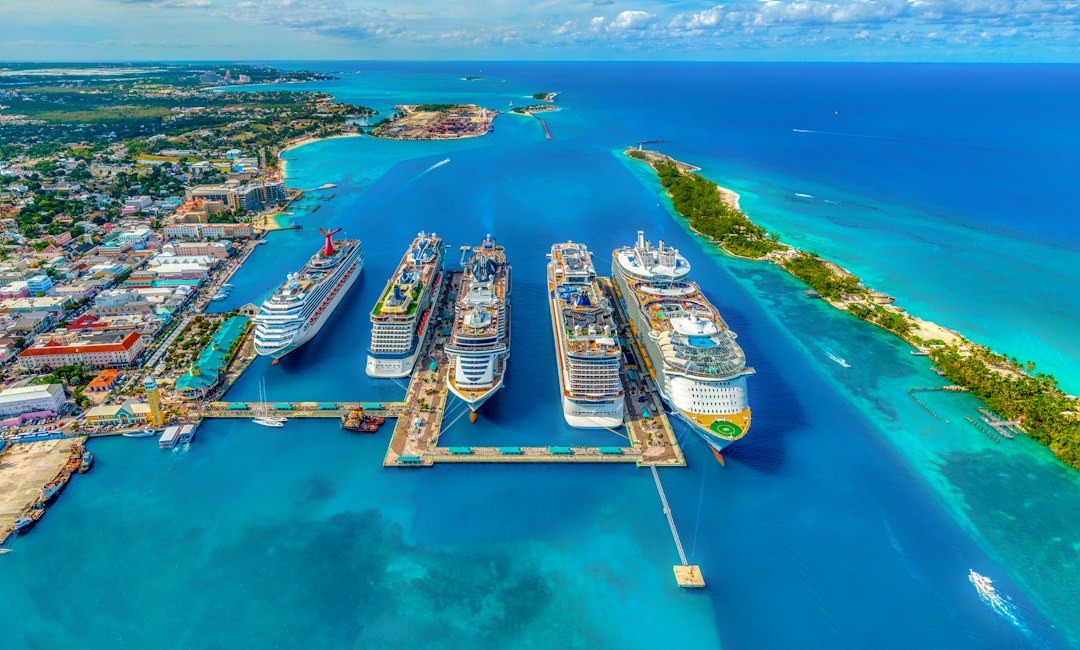
Photo: Photo by Unsplash

Port of Newcastle recorded its highest annual coal export volume in five years in the past financial year, shipping 167 million tonnes to Asian markets — primarily South Korea, Japan, Taiwan, and India — despite the NSW government's domestic coal phase-out target and declining output from several Hunter Valley mines.

Port chief executive Craig Carmody said the record reflected a structural shift in the global coal market rather than any reversal of the domestic energy transition. Asian power generators were drawing higher volumes from Australian suppliers as they worked through the operational lifespans of existing coal-fired capacity, while Australian coal maintained premium pricing due to its thermal quality and reliability of supply relative to alternative sources.

The export performance generated approximately $180 million in port revenues — the port's best financial result — which are distributed to the NSW government as a dividend. The port is currently owned by the federal and state governments through the Port of Newcastle Investment Fund.

The coal volume record has drawn mixed responses from community and environmental groups. Hunter Valley environment campaigners noted that higher export volumes ran counter to the spirit of the state government's stated climate commitments. Port management argued that Australian coal exports were a sovereign decision for importing nations and that the port's diversification strategy — which includes bulk agriculture and container growth — would see coal's share of total volume diminish over the following decade regardless of short-term market conditions.

The port is currently negotiating with two renewable energy developers to establish a green hydrogen export terminal on surplus port land by 2030.

This article was compiled by AI from the sources linked above and screened before publishing. See our editorial standards.

Your reaction

See something wrong? Suggest a correction.

Spread the word

XFacebookLinkedInWhatsAppSend to a friend

Quote this story

Edit the quote, then post it to X.

217/280

Have your say

Loading comments…

About this article

Published by The Daily Newcastle

This article was produced by the The Daily Newcastle editorial desk and covers news in Newcastle. See our editorial standards for how we use AI.

The Daily Newcastle brief

The day's Newcastle news in a 2-minute read, every weekday morning. Free.

By subscribing you agree to receive emails from The Daily Newcastle and accept our Privacy Policy. Unsubscribe anytime.

Enjoyed this story? Get tomorrow's briefing free.

Daily brief

Enjoyed this? Wake up to Newcastle news every morning.

Free, in your inbox before 7am. Weekdays.

By subscribing you agree to receive emails from The Daily Newcastle and accept our Privacy Policy. Unsubscribe anytime.

The Daily Network · local news across Australia

More local news across Australia: