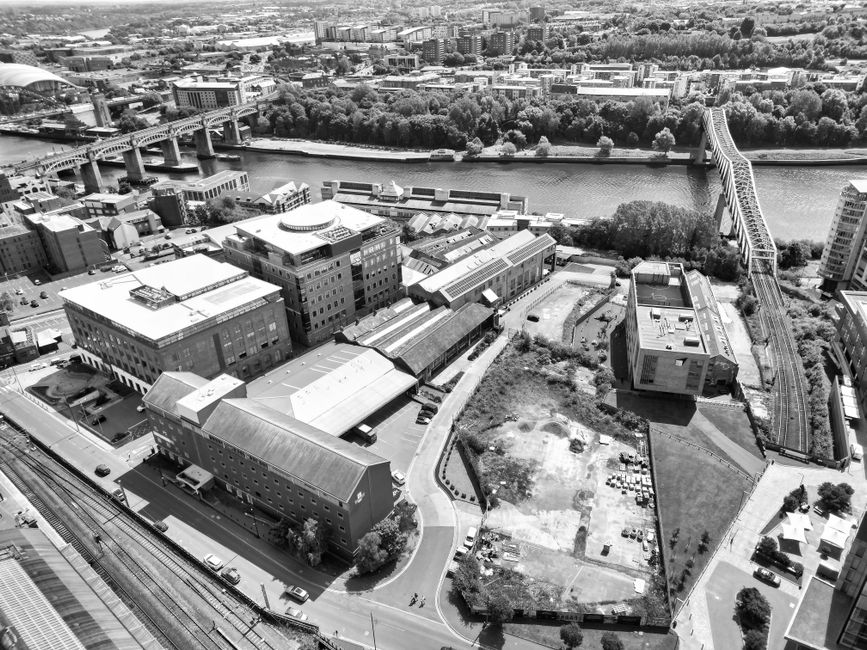
While the spotlight shines on Newcastle's marquee renewal projects—the Port Precinct transformation and Islington's inner-city revival—a quieter revolution is unfolding in the suburbs that locals have always called home.
According to recent development applications lodged with Newcastle City Council, builders and developers are increasingly targeting mid-range residential streets in Waratah, Mayfield's fringe, and Adamstown, where median house prices hover around $680k to $720k. This represents a significant shift from the previous decade's focus on premium waterfront and CBD-adjacent properties.
"What we're seeing is a recalibration," says one local real estate insider familiar with planning trends. "Developers realised that Sydney overflow buyers have a ceiling—around $800k—before they reconsider their commute. That's creating opportunity in streets most people drive past without thinking."
The Port Precinct remains the glamour project, attracting mixed-use developments and boutique apartments. Yet recent council minutes reveal growing interest in dual-occupancy approvals and townhouse clusters in established suburbs. A 12-lot subdivision application for Waratah recently progressed through planning, targeting first-home buyers and young families priced out of inner Newcastle but unwilling to commit to Sydney commutes.
Mayfield, long synonymous with workers' cottages and renovation projects, is experiencing particular momentum. Land values have climbed steadily as buyers recognise the suburb's proximity to the CBD and its position between the revitalised Islington precinct and quieter residential streets. Several development sites earmarked for multi-unit housing have changed hands in recent months, though exact figures remain confidential.
What distinguishes this phase of Newcastle growth is the emphasis on authenticity rather than transformation. Rather than demolish-and-rebuild narratives, developers are increasingly preserving streetscapes while densifying thoughtfully. This appeals to both established residents protective of neighbourhood character and newcomers seeking that elusive balance: proximity to amenity without losing sense of place.
The data supports this pivot. While Sydney's median house price approaches $1.2 million, Newcastle's $720k median—with pockets offering genuine value 15 to 20 percent below that—continues attracting serious buyer interest. That spread is precisely where developers see the next phase of sustainable growth.
Industry observers predict this pattern will intensify over the next 12 to 24 months, particularly as interest rates stabilise. The question isn't whether Newcastle will grow, but whether growth remains concentrated in flagship precincts or genuinely distributes across the city's working heart.
For now, the suburbs are speaking louder than the headlines suggest.
This article was compiled by AI from the sources linked above and screened before publishing. See our editorial standards.