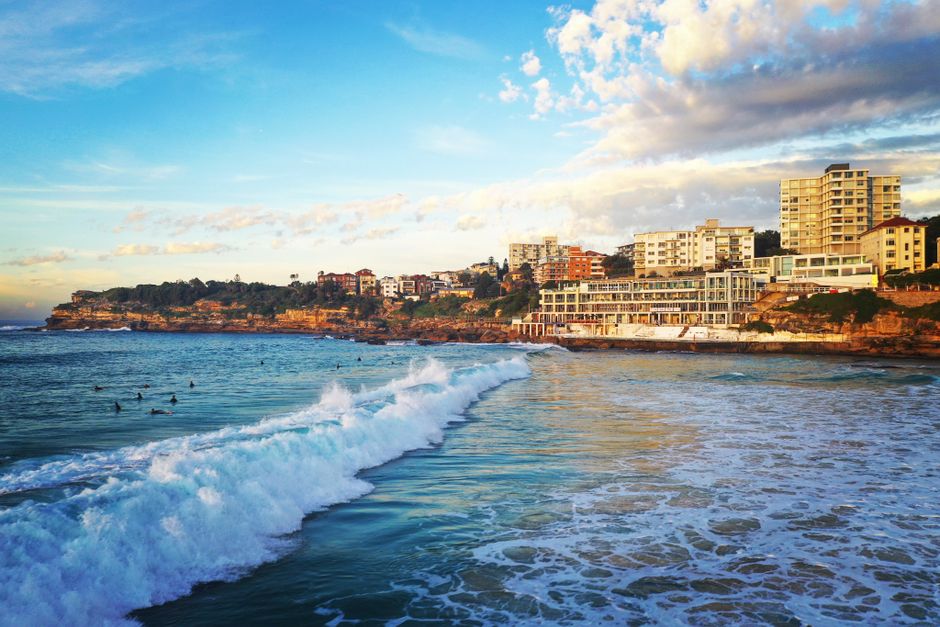
While Melbourne's auction market makes headlines with its struggles, Newcastle's property landscape tells a strikingly different story. The Hunter Region is experiencing a quiet but significant shift, with beachside suburbs emerging as the state's unlikely investment darling.
Merewether and Bar Beach have long held prestige status, but it's the adjacent precincts that are capturing savvy investor attention. Properties in Cooks Hill and The Junction are now commanding median prices around $785,000 and $695,000 respectively—still representing genuine value when compared to Sydney's outer suburbs, yet offering established infrastructure, vibrant cafe culture, and genuine community appeal.
"We're seeing genuine flight from Sydney," explains local agent insights. "Empty-nesters with equity are realising they can sell a modest Hornsby apartment for $1.1m and secure a fully renovated four-bedroom character home with ocean views in Merewether for $950,000. The lifestyle upgrade is profound."
The port precinct transformation has been particularly catalytic. The $1.2 billion revitalisation project has injected genuine momentum into surrounding suburbs, with Carrington and Tighes Hill attracting developers targeting young professionals seeking alternative city living. Unit prices in these renewal zones have grown 12-15% annually over the past three years.
Islington and Mayfield's inner-city renewal story parallels Sydney's inner-west trajectory of five years ago. Tree-lined streets, heritage character, and proximity to Newcastle's CBD have positioned these suburbs as gateway markets for first-time buyers and young families. Median prices hover around $620,000—meaningful but still achievable for NSW First Home Owner Grant recipients, many of whom are discovering Newcastle offers superior space and affordability compared to regional NSW alternatives.
The rental market underpins this investment narrative. Newcastle's median rent for three-bedroom homes now sits around $450-480 weekly, delivering yields of 5.2-5.8%—notably stronger than Sydney's 3-4% benchmark. This rental resilience reflects genuine demand from regional workers, university students, and FIFO professionals seeking temporary accommodation.
Market data suggests this isn't speculative fever. Population growth of 1.8% annually, combined with limited new supply in premium suburbs, suggests fundamentals remain solid. The 1.5-hour commute to Sydney's CBD via train also positions Newcastle strategically for hybrid-work professionals unwilling to surrender lifestyle for career.
Whether this momentum sustains depends on broader economic conditions, but for now, Newcastle's coastal suburbs are delivering what Sydney buyers increasingly crave: genuine property for genuine money, with a side of ocean access.
This article was compiled by AI from the sources linked above and screened before publishing. See our editorial standards.