lifestyle
Expats Abandon Sydney, Choose Newcastle for Transformed Hunter Region
After years of being dismissed as a commuter town, Newcastle has undergone a genuine transformation-and newcomers are finally paying attention.
How we reported this
Newcastle has stopped apologising for itself. That shift alone tells you something has changed.
Walk down Darby Street in Cooks Hill on a Friday night and you'll see what locals mean. The strip is packed with independent restaurants and bars that actually serve decent coffee at 8am and craft cocktails at 8pm. Five years ago, the same stretch felt like it was slowly bleeding out. Young professionals were leaving faster than they arrived. Rents were cheap not because that was charming but because nobody wanted to stay.
The reversal is real enough that migration agents and relocation firms now list Newcastle as the second most popular destination for Australian expats returning from overseas, after Melbourne. The Newcastle Region Joint Organisation reported in their 2025 economic analysis that the city had attracted 3,847 net overseas migrants in the preceding 12 months-a figure that would have seemed absurd a decade ago. People are coming back, and they're staying.
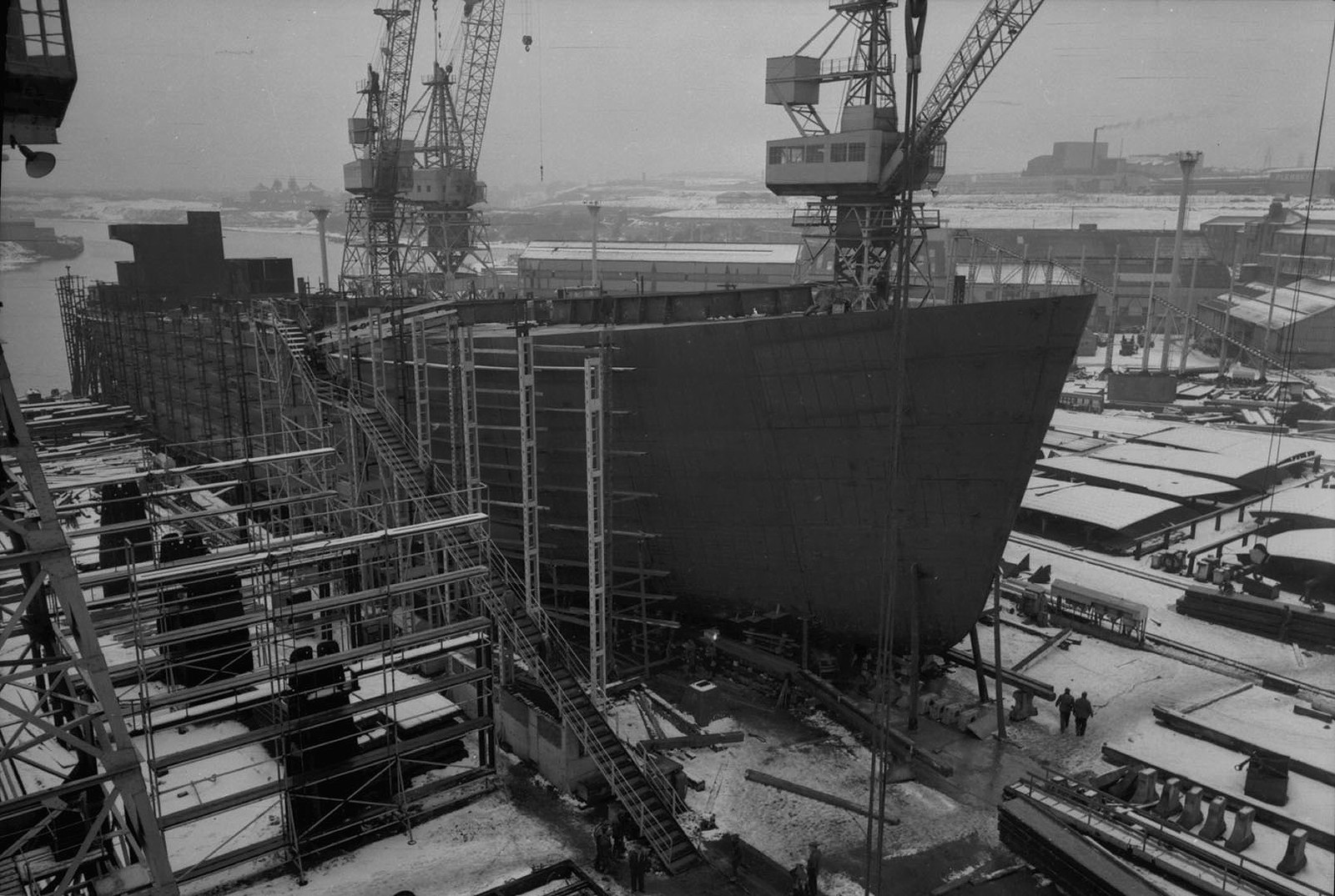
From Rust Belt Memory to Cultural Anchor
The reasons are practical and pressing. The median house price in Newcastle sits around $885,000, roughly 40 percent below equivalent properties in Sydney's established inner suburbs. A three-bedroom weatherboard on the fringe of Islington or Wallsend might fetch $720,000. That gap matters when you've spent five years earning pounds or euros and are suddenly converting back to Australian dollars.
But it's not just about the spreadsheet. Newcastle's cultural infrastructure has genuinely expanded. The Civic precinct has undergone serious investment, with the Newcastle Museum opening its doors in 2021 and now operating major exhibitions that pull visitors from Sydney. The Civic Theatre's programming rivals mid-sized arts venues anywhere in the country. Last September, they hosted the Sydney Festival's Regional Roadshow-the kind of cultural event that once never ventured south of the Harbour Bridge.
The Hunter Street precinct, long abandoned to fast-food chains and boarded storefronts, has attracted a cluster of independent operators. The Third Lane Espresso opened two years ago and became an immediate fixture for remote workers and freelancers. Breweries like Blackrock Brewing and NEIPA have established proper beer culture where barely a decade ago your options were the big breweries or nothing.
Digital Work Liberated Newcastle
The pandemic forced the issue. Expats returning to Australia suddenly realised they didn't need to be in Pymble or Neutral Bay to hold a London job or manage European clients. A 45-minute train ride to Sydney when you need face-time is manageable. A permanent move back to the city becomes pointless.
That shift has been seismic. The Newcastle City Council's Economic Development team noted in their 2024 report that work-from-home arrangements now account for 31 percent of the professional workforce in the greater Newcastle region, up from just 8 percent in 2019. People earning Sydney or offshore salaries but paying Hunter Valley rents is fundamentally rewriting what the city feels like.
The property market reflects it. Median rents in popular inner suburbs like Cooks Hill and Hamilton have climbed 22 percent since 2021, according to Domain data. That's fast enough to feel real, slow enough that housing remains genuinely affordable compared to any Australian city above 400,000 people.
If you're considering Newcastle, the practical advice is straightforward: rent first for three months. Spend a winter here. Walk Nobbys Beach at 6am on a Tuesday when the light hits right. Eat dinner at Subo on Darby Street or grab breakfast at Seabird Espresso near the waterfront. Check whether your existing job allows remote work, because that changes everything about whether Newcastle makes financial sense.
The city is no longer selling itself as an alternative. It's selling itself as the obvious choice-if you're willing to look past what it used to be.