culture
Newcastle Transforms: Working Port City Becomes Global Cultural Destination
As property prices climb and young creatives arrive, Newcastle grapples with preserving the gritty identity that made it worth discovering in the first place.
How we reported this
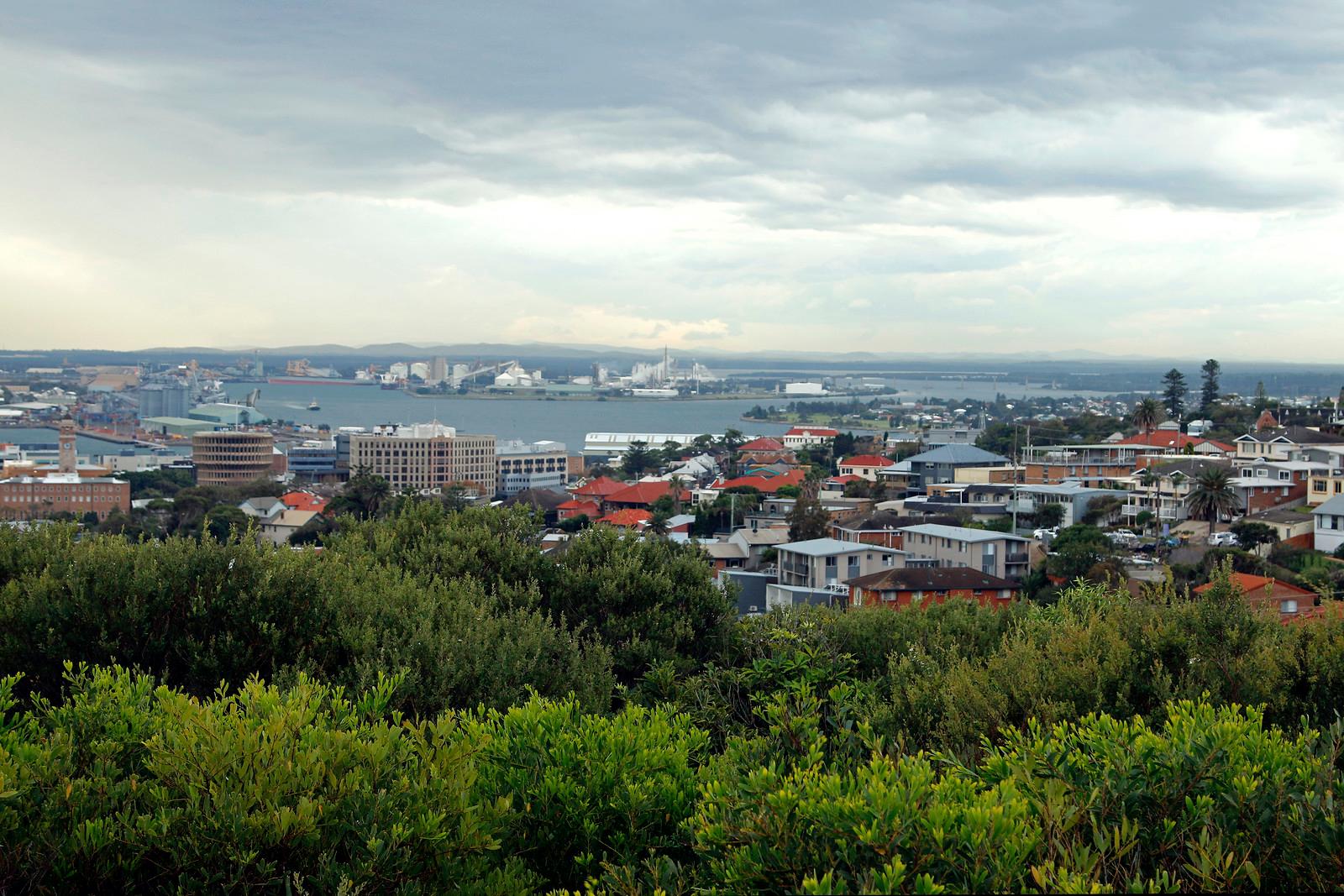
Newcastle's heritage precinct isn't a museum piece anymore. It's a property play, a marketing story, and increasingly, a contested space where locals worry the very things that made the city worth saving are being smoothed away by success.
The shift matters now because Newcastle stands at a pivot point. Over the past decade, the city transformed from a rust-belt relic into Australia's most unexpected cultural destination. The conversion of abandoned warehouses along the Hunter River into galleries, bars, and restaurants drew Sydney weekenders, art buyers, and young professionals priced out of the capital. But that success has accelerated property values and attracted developers who see heritage buildings as premium real estate rather than cultural anchors. The question occupying local historians and cultural workers is simple: can Newcastle keep its identity while cashing in on it?
The story starts in specific places. Honeysuckle, the waterfront precinct stretching from the old railway goods yard toward Fort Scratchley, was a rust-stained industrial zone until the 1990s. Today, galleries like the Newcastle Museum (reopened in its current Honeysuckle location in 2021) share space with cocktail bars and wine merchants. Broughton Street in Carrington, the neighbourhood just inland, became the unofficial creative quarter-a block of Victorian terraces that attracted artist studios, independent bookshops, and cafes. The street's 19th-century shopfronts, narrow lanes, and workers' cottages created the aesthetic that Sydney creatives were chasing. When the Brewery Tap opened on Broughton in 2012, followed by a cluster of small galleries and studios, the transformation accelerated.
What nobody anticipated was the speed of the money. Median house prices in Carrington have climbed from approximately $285,000 in 2015 to $625,000 by mid-2026, according to local real estate data. Honeysuckle apartments started at $450,000 and now breach $1.2 million for waterfront stock. That velocity prices out the artists, warehouse operators, and small business owners who made the neighbourhoods liveable in the first place. The Newcastle Heritage Action Group, which campaigns for preservation of the city's post-industrial character, has documented 47 heritage-listed buildings either demolished or substantially altered since 2018-converted into apartments, air-conditioned restaurants, or luxury developments that bear no relationship to their original purpose.
The Cost of Rediscovery
The tension playing out in Newcastle mirrors what happened in Brooklyn in the 2000s and is currently remaking inner Melbourne. Success attracts investment. Investment attracts developers. Developers remake the place into something unrecognisable, and the original inhabitants leave. Newcastle's cultural institutions understand this. The Recital Hall in the City precinct, which hosts both classical music and experimental performance, has started programming more generously, aware that without accessible cultural programming, the city becomes a weekend destination for tourists rather than a lived-in community.
The Hunter River foreshore redevelopment, currently in phase three of a broader masterplan, illustrates the stakes. The original industrial wharves-places where coal was loaded, ships were repaired, workers organised-are being reimagined as leisure zones. The Newcastle Art Gallery, rebuilt in 2019, houses contemporary work alongside industrial heritage exhibitions. But there's no longer a working port to provide narrative tension. Instead, the story is about the port's absence.
What Happens Next
For now, small institutions are fighting back against erasure. The Mattara Centre for Indigenous Australian Stories, established in the CBD in 2023, insists on telling Newcastle's pre-colonial and colonial history from Indigenous perspectives-a deliberate challenge to sanitised heritage narratives. Community groups are documenting working-class histories before they disappear. The University of Newcastle's community history projects record oral histories from former steelworkers, miners, and port workers whose lived experience is being replaced by curated stories.
If you're local and care about this, the practical advice is blunt: attend small gallery openings on Broughton Street while the neighbourhood still contains them. Support Carrington's independent businesses. Engage with the Newcastle City Council's draft heritage strategy before the next planning cycle. The next two years will determine whether Newcastle becomes a functioning city where creative workers and regular people actually live, or a seaside theme park designed for weekend visitors. Right now, that outcome is genuinely undecided.