property
Newcastle Auction Results and Price Data Signal a Market Finding Its Floor
Clearance rates and sale prices across Newcastle's inner suburbs are telling a more complicated story than the headline numbers suggest.
How we reported this
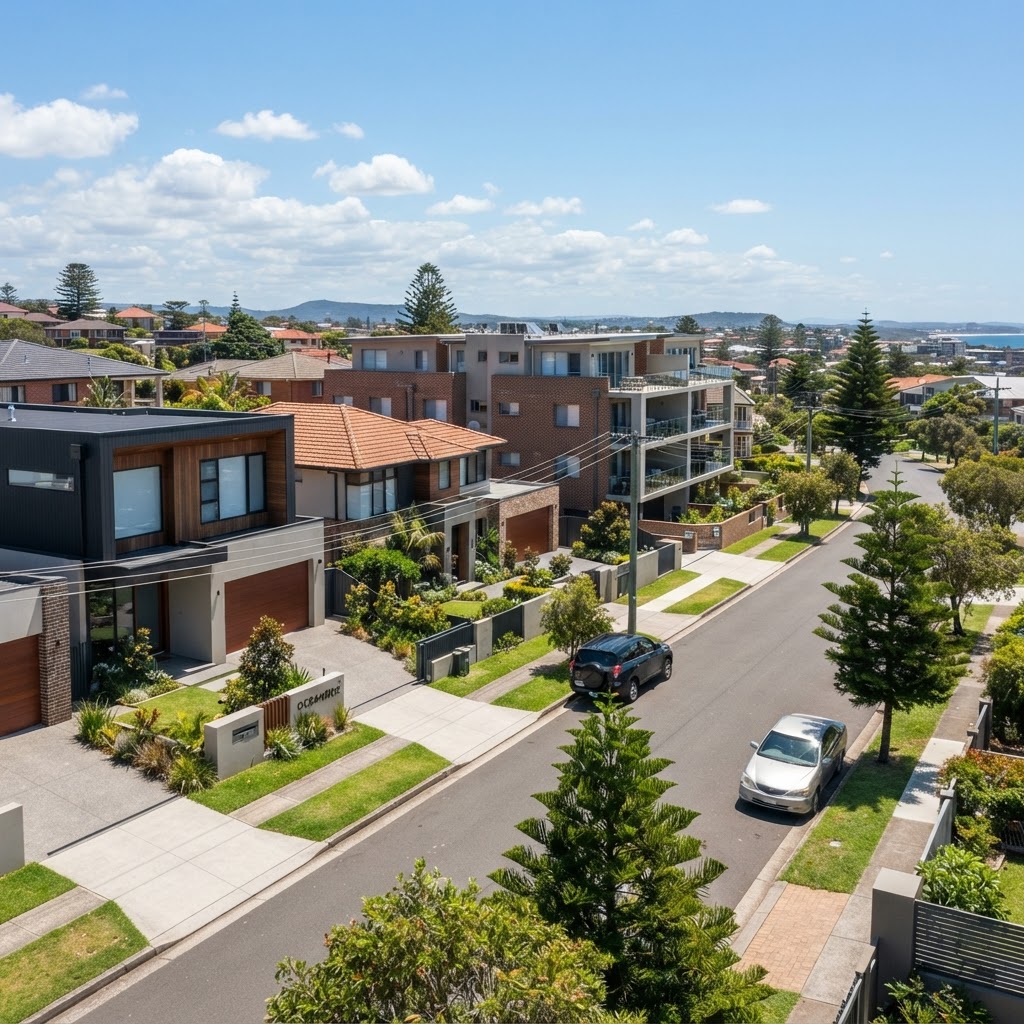
Auction activity across Newcastle slowed noticeably through late June and into the first weekend of July, with preliminary clearance rates across the Hunter region tracking below 60 percent, a figure that, on its own, reads as soft but masks genuine heat in pockets of the city where stock remains tight and buyer competition is anything but quiet.
This matters right now because winter typically compresses the Newcastle market. Vendors who list in July are either genuinely motivated or confident their property can stand without the usual spring-crowd cover. When those listings still attract multiple registered bidders, as several did in Islington and Mayfield last month, it says something about underlying demand that a blended clearance rate doesn't capture.
Where the Numbers Are Moving
The NSW median sits around $720,000, but Newcastle's inner-ring suburbs have been trading well above that figure for the better part of two years. Islington, where the suburb's ongoing renewal along Maitland Road has drawn both owner-occupiers and investors, has seen renovated terrace homes and post-war cottages test the $900,000 to $1.1 million range in recent months. Mayfield, once considered the budget alternative, has followed, with comparable stock edging past $850,000 at auction.
The port precinct transformation is doing real work here. The long-running redevelopment of the former industrial land around Throsby and Tighes Hill has redrawn how buyers perceive the city's inner west. Properties within walking distance of the Newcastle Harbour foreshore and the Honeysuckle precinct continue to attract buyers relocating from Sydney, where the same money buys considerably less. That Sydney-overflow dynamic hasn't evaporated, if anything, the RBA's rate pause has given relocators more confidence to commit rather than wait.
At the quieter end of the market, outer suburbs like Wallsend and Jesmond are showing a different signal: days on market are stretching, and vendors who priced ambitiously in autumn are either withdrawing or accepting offers below their initial expectations. That divergence, strong inner ring, softening middle ring, is a pattern worth watching through the rest of winter.
What Buyers and Sellers Should Take From This
Gen Z buyers are not sitting this out. National research published recently by realestate.com.au shows younger cohorts remain committed to home ownership despite affordability pressure, and anecdotally that ambition is visible in Newcastle's first-home buyer brackets, particularly in suburbs like Hamilton North and Waratah, where entry-level houses can still be found sub-$700,000, though those opportunities are narrowing.
The Watsonia auction result reported nationally this week, a couple walking away from a $916,000 sale to fund a life on the road, is a reminder that vendor motivation shapes outcomes as much as market conditions do. Newcastle vendors heading into the July-August window who are genuinely motivated are likely to find that serious buyers exist; what's thinned out is the casual, speculative interest that inflated Saturday crowd sizes during the 2021-22 peak.
For buyers, the practical read is straightforward: inner Newcastle stock at the $850,000 to $1.2 million mark is not cheap, and it isn't getting cheaper in the short term. The suburbs being reshaped by infrastructure investment, think the Broadmeadow transformation corridor and the ongoing work around the Newcastle Entertainment Centre precinct, are likely to hold value better than suburbs without that structural tailwind. Pre-approval, a clear sense of ceiling price, and the willingness to move quickly on auction day remain the non-negotiables.
The next reliable read on where things are heading will come from the spring listing volumes. If vendors who held back through winter release stock in September with confidence, it suggests the market has found a working floor. If listings trickle rather than surge, the story of constrained supply, which has underpinned Newcastle prices through every rate cycle since 2020, continues to write itself.
This article is general information only and is not personal financial or investment advice. Consider your own circumstances and seek licensed professional advice before making financial decisions.