property
The Newcastle Suburbs Where Buying Is Now Cheaper Than Renting
Mayfield and Islington emerge as standout suburbs, with mortgage costs undercutting weekly rents as the city’s property dynamics shift.
How we reported this
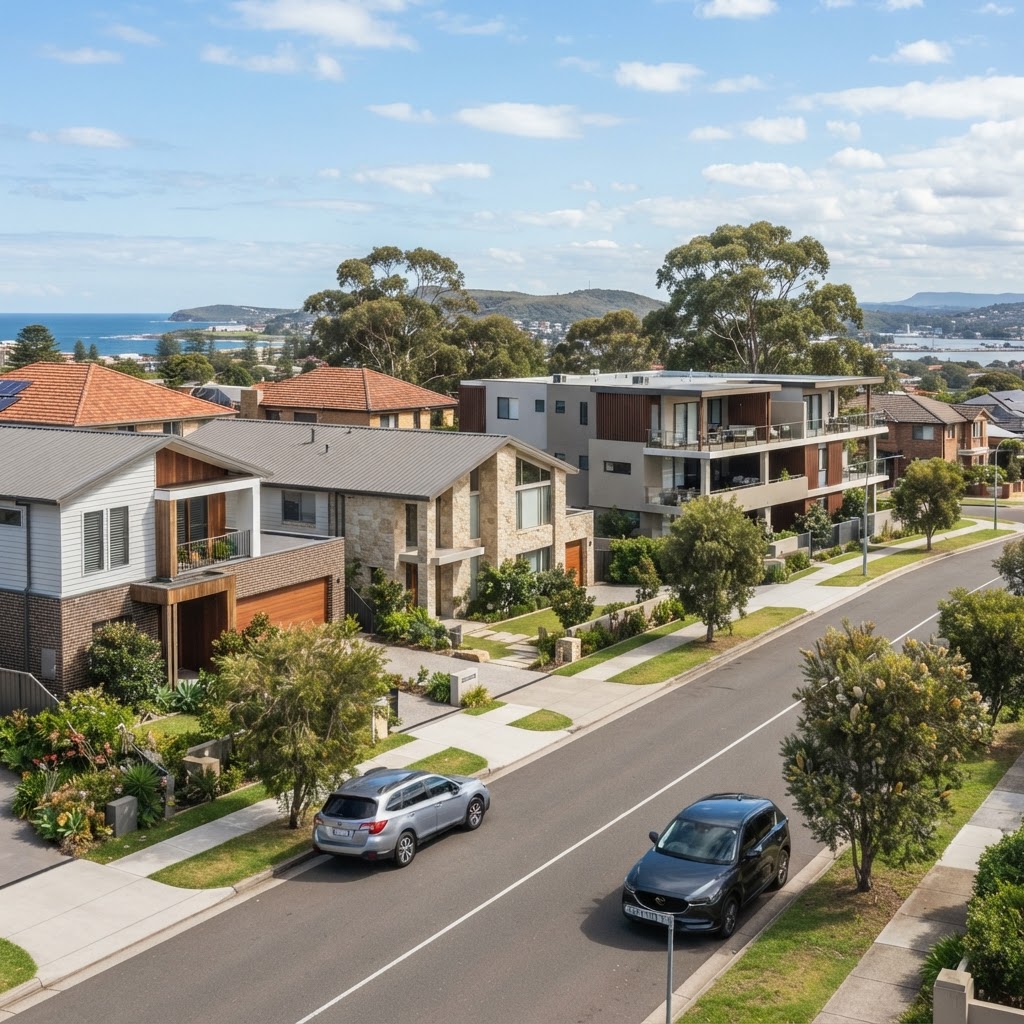
New data reveals a shift in Newcastle’s property market: in several local suburbs, it is now cheaper to buy than rent. This trend has been building since early 2026, and it’s most evident in pockets such as Mayfield and Islington, where the gap between ownership and rental costs has flipped.
This market shift comes at a time when renters across the Hunter region are seeing rapid increases in weekly rents, fuelled by returning Sydney exiles and students flocking to the University of Newcastle. Newcastle’s median house price now sits just below $720,000, but long-term rental demand has pushed median rents above $650 per week in key inner suburbs, with some three-bedroom homes now $700 or more.
Mayfield and Islington: The Numbers Stack Up
In Mayfield, data from CoreLogic shows the median house value is $678,000 as of June 2026. With a 20% deposit and a three-year fixed loan at 5.89%, monthly repayments are around $3,210, translating to roughly $740 per week. But for similar properties, rental listings on Hunter Street and around Islington Park show weekly asking rents as high as $800, particularly for renovated or larger homes. Many local buyers, according to agents at Walkom Real Estate in Hamilton, can secure mortgage repayments that track at least $30-50 below comparable rents each week, especially factoring in flat or negative rental growth forecast for 2027.
The picture is similar in Islington, where a two-bedroom semi-detached on Clyde Street recently listed for $655,000 and the advertised rent sits at $730 per week. At current interest rates, buyers can find themselves ahead, especially as serviceability buffers relax slightly following the Reserve Bank’s mid-year assessment. According to listings on Domain and Realestate.com.au, suburbs including Waratah and Tighes Hill are approaching parity, but Mayfield and Islington are now clearly in the ‘buyer advantage’ camp for the first time in at least a decade.
Crunching the Data-and Next Steps
PropTrack data cited in the June 2026 Reserve Bank property report identified a 13% year-on-year lift in Newcastle’s average weekly advertised rent, compared to just 5% annual growth in house values across the LGA. That imbalance means buyers with access to a deposit and stable employment can, in some cases, save over $2,500 per year versus renting a similar home. Industry analysts say the regional spillover from Sydney continues, but many young families and professionals-particularly those working in the city’s expanding port precinct or the Callaghan campus-are now re-evaluating whether it’s smarter to buy earlier than planned.
Local buyers are advised to factor in upfront purchase costs such as stamp duty, maintenance, and strata if buying units, but the basic equation in Mayfield and Islington is now clear: over a standard mortgage term, buyers can pay less week-to-week than renters. The situation could evolve if interest rates rise further or if Newcastle’s construction pipeline expands, but for now, these suburbs are an outlier in NSW-offering genuine purchase bargains compared to rental stress. Prospective homeowners should seek finance pre-approval and review up-to-date listings before suburb prices adjust to the new dynamics.
This article is general information only and is not personal financial or investment advice. Consider your own circumstances and seek licensed professional advice before making financial decisions.