property
Newcastle's Property Market Hits The Brakes: What Auction Data Is Signalling
Winter clearance rates have dipped and homes are lingering on the market longer, creating a standoff between seller expectations and what buyers are now willing to pay.
How we reported this
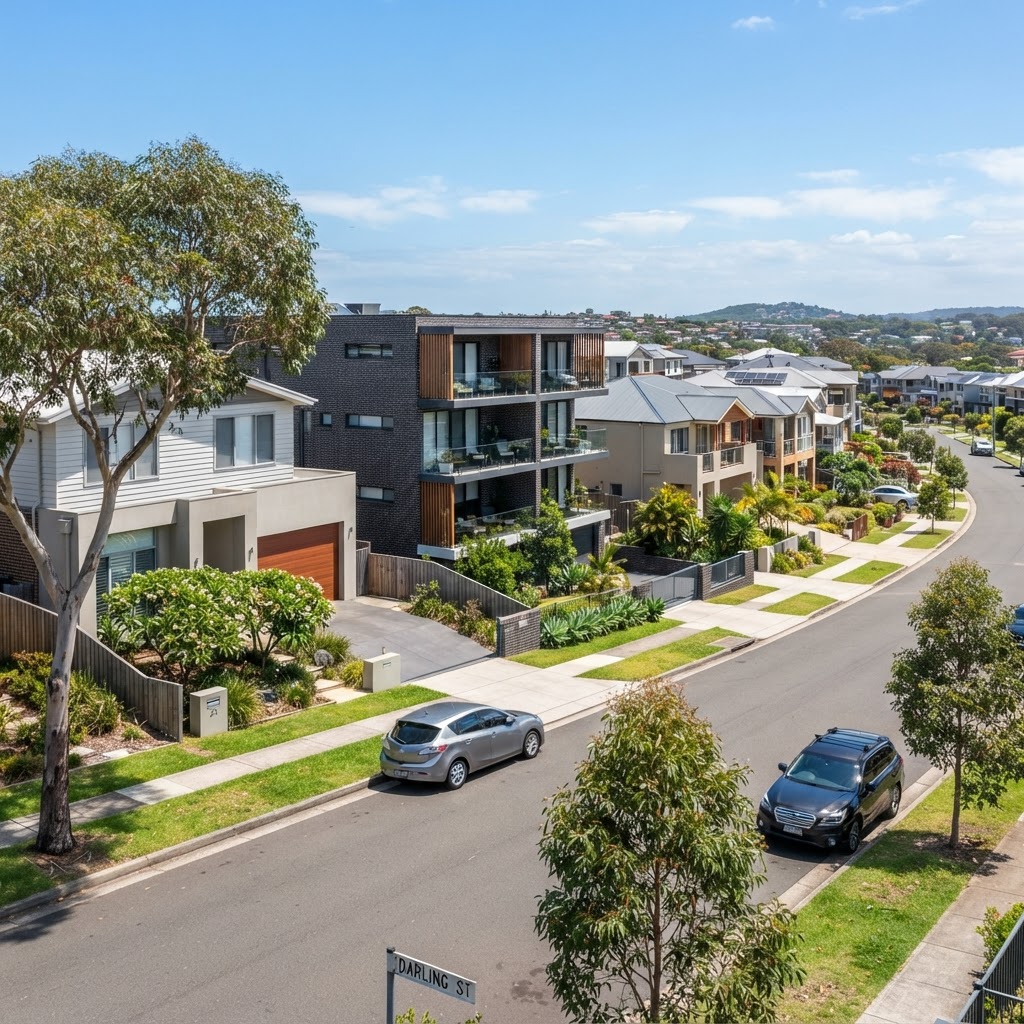
Newcastle’s once-feverish property market has entered a period of clear and sustained cooling. Auction clearance rates across the city dipped to 58% in June, the first time the monthly average has fallen below the 60% mark since the post-lockdown boom of 2023, signalling a decisive shift in market dynamics.
This slowdown marks the end of a frantic two-year run fuelled by an exodus from Sydney, low borrowing costs, and major infrastructure investment in the Hunter region. With interest rates now sitting at a decade-high, the pool of qualified buyers has shrunk. The frenzied open homes with dozens of groups jostling for position have been replaced by more subdued inspections, forcing vendors and agents to recalibrate expectations that were set during the market’s peak.
A Split Between Suburbs
The headline figures don't tell the whole story. A distinct, two-tiered market is emerging across the city. Renovated family homes in sought-after school zones like Adamstown Heights and New Lambton are still attracting solid interest, albeit from a smaller number of bidders. A four-bedroom home on a quiet street in Merewether, for example, sold under the hammer last weekend for $2.1 million after a campaign that saw just two registered bidders compete.
It’s a different picture for investor-grade stock and entry-level properties. Listings for two-bedroom apartments in Wickham and units in Mayfield are lingering on the market for weeks longer than they were six months ago. Developers behind off-the-plan projects in the Honeysuckle precinct are reportedly offering incentives to lock in sales, a practice unseen in Newcastle since before 2020. This divergence shows buyers with larger deposits and established equity are still active, while those on the margins are being squeezed out.
The Numbers Don't Lie
The cooling trend is borne out by multiple data points. Beyond the auction results, the median days-on-market for a house in the Newcastle LGA has stretched from 29 days in January to 47 days in June, according to figures collated from major agencies. While the city's median house price has held relatively firm, dropping only a reported 1.5% over the quarter to around $925,000, agents say that figure masks the larger discounts being accepted in private treaty sales. The number of properties passing in at auction and selling later for a revised price is climbing steadily.
This new environment presents a conundrum. Sellers, anchored to the record prices achieved on their street in 2024 and 2025, are reluctant to lower their asking prices. Buyers, emboldened by headlines of a national slowdown and constrained by their borrowing capacity, are refusing to meet them. The result is a standoff that is likely to define the market for the rest of the winter, leading to lower transaction volumes and a growing backlog of unsold stock.
For those looking to sell, a sharp and realistic price guide from day one is now critical to securing a timely result. For buyers, the market offers something that has been in short supply for years: time. The pressure to make a snap decision has evaporated, allowing for more due diligence and negotiation, but securing finance remains the primary hurdle before any offer can be made.
This article is general information only and is not personal financial or investment advice. Consider your own circumstances and seek licensed professional advice before making financial decisions.