property
Build-to-Rent Developments Offer Newcastle Renters New Choices-but at What Cost?
Large-scale build-to-rent projects are reshaping Newcastle’s rental market and giving tenants more flexibility and amenities, but questions remain over long-term affordability.
How we reported this
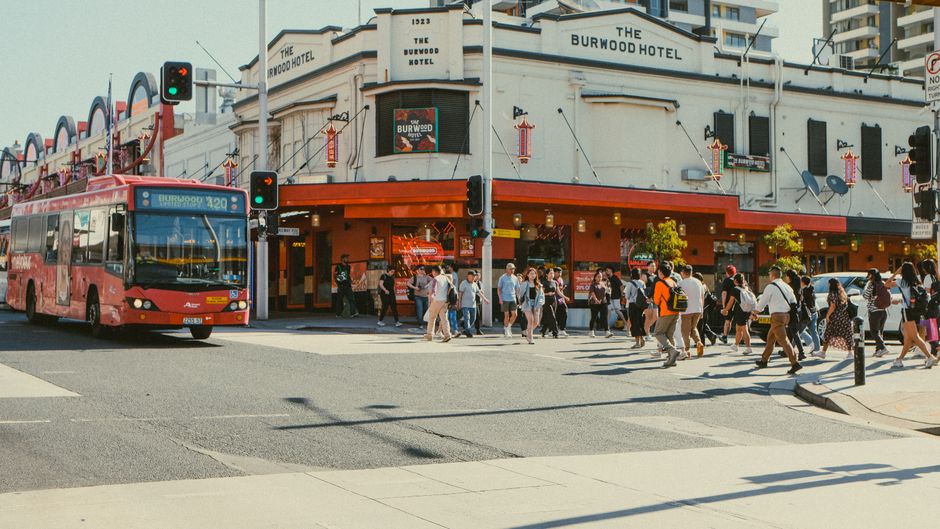
Newcastle’s rental landscape is seeing a wave of change as build-to-rent developments emerge in key neighbourhoods. These purpose-designed apartment blocks, owned and managed by institutional landlords, are offering tenants new kinds of leases, shared facilities, and on-site services along revitalised Main Road corridors and inner-city hubs.
The timing is no accident. As Newcastle’s median house price sits near $720,000, and with mortgage serviceability stretched for many households, more locals are locked out of buying a home. Meanwhile, the rental market remains fiercely competitive, with vacancy rates low right across the Hunter region. Against this backdrop, build-to-rent (BTR) addresses a clear demand for quality long-term rentals and new pathways for people stuck between renting and ownership.
New Sites and Local Shifts
In the West End, new BTR complexes have risen near the intersection of King Street and Stewart Avenue, tapping into demand from young professionals working in the city centre and the technology precinct. A prominent example is the large new project managed by a national operator on Hunter Street, which advertises flexible long-term leases, communal rooftop gardens, and co-working spaces within walking distance of the Civic light rail stop.
Further north, Islington-long known for its mix of heritage terraces and small industrial lots-has seen several warehouses converted into build-to-rent apartments over the past 18 months. Developers here are banking on the area’s improving reputation and proximity to the Broadmeadow station, aiming to attract tenants priced out of inner-city units but eager to remain part of the urban fabric. Easy access to Beaumont Street in Hamilton and the up-and-coming Mayfield Road cafe strip have added to these neighbourhoods’ appeal.
The Numbers Behind the Trend
According to CoreLogic, Newcastle’s median dwelling price is now around $720,000, making purchase out of reach for many. In contrast, BTR operators often promise streamlined application processes and include maintenance and shared amenities-features that traditional rentals may lack. While specific weekly rents can vary, the expectation of higher quality and furniture packages can mean BTR apartments are priced above many existing rentals. Still, advocates point to the security of tenure and the lack of need for upfront purchasing capital as tipping the scales for some residents.
Experts watching the wave of new completions in the city caution that while these developments boost supply and tenant choice, they may do little to address underlying affordability for those on lower incomes unless a share of apartments are reserved for affordable or social housing. So far, most Newcastle BTR buildings, like those in the Honeysuckle precinct and along the new Wickham waterfront, are marketed instead to young singles, couples, and mobile professionals.
For tenants considering their next move, the expansion of build-to-rent means more rental choice, new amenities, and some relief from the uncertainty of short-term leases. However, with few projects including guaranteed affordable units, policymakers and advocates say the long-term impacts on accessibility and affordability are yet to play out. For now, the advice from local housing specialists is clear: weigh the benefits of flexibility and amenities carefully-and don’t expect BTR to become Newcastle’s universal fix for rental stress.
This article is general information only and is not personal financial or investment advice. Consider your own circumstances and seek licensed professional advice before making financial decisions.