property
Can Newcastle Renters Get Ahead With Rent-Vesting? The Strategy Explained for 2026
With median house prices topping $720,000, rent-vesting is emerging as an alternative for locals keen to start building wealth.
How we reported this
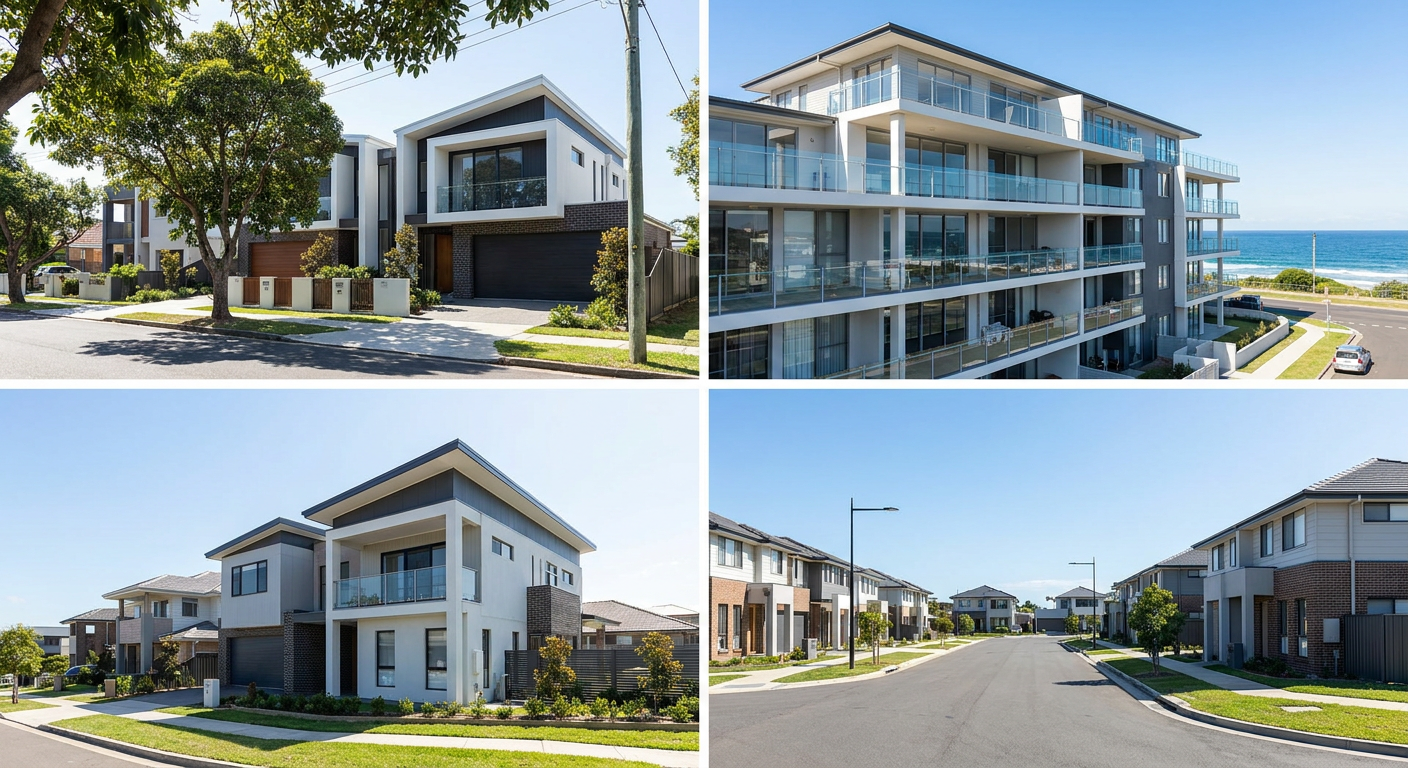
As Newcastle’s property market pushes affordability beyond many first-home buyers, a growing number of locals are turning to rent-vesting, a strategy that sees them renting where they want to live, and buying in suburbs where they can actually afford a foothold.
Why Rent-Vesting Is On The Radar
The city’s median house price now sits just below $720,000, according to June 2026 figures reported by the Real Estate Institute of New South Wales. Potential buyers often face stiff competition in local hotspots like Cooks Hill and Merewether, where homes can list for well over $1 million. The rent-vesting option allows would-be homeowners to enjoy the lifestyle and amenities of inner-city living, for example, in a Fitzroy Street apartment or one of the new developments near Newcastle Interchange, while using their savings to invest in property elsewhere in the region.
This approach is gaining traction as rising interest rates and investor competition price many out of traditional home ownership. For renters working in the CBD or employed at the Port of Newcastle, buying nearby is increasingly out of reach. Rent-vesting, advocates say, provides a way for them to start building equity without sacrificing their preferred lifestyle or proximity to work.
Local Choices: Where Rent-Vesters Are Buying and Renting
Recent listings show buyers looking to the city’s ‘up-and-coming’ outer suburbs, where entry points are more accessible compared to the east end. Median house prices in Wallsend and Jesmond remain well below inner-city levels, with realestate.com.au recording median values of around $645,000 in Jesmond as of June. Meanwhile, rental demand for modern apartments in areas like Honeysuckle, especially those near the Light Rail and waterfront, continues to drive asking rents past $650 per week for two-bedroom units.
The University of Newcastle and regional employers like John Hunter Hospital have also contributed to stable rental yields in the outer ring. This trend hasn’t gone unnoticed by buyers’ agents, who highlight suburbs such as Maryland or Raymond Terrace as offering rental yields upwards of 4.5%, making them attractive for first-time investors who want to get on the property ladder with lower deposits and stamp duty liabilities.
For many, rent-vesting is motivated less by short-term cost savings and more by the desire to build long-term wealth. CoreLogic’s May 2026 report found Newcastle unit values grew 5.4% over the past 12 months, while detached house prices rose 3.8%. With more Sydney-based investors eyeing the region, the window for affordable entry points could narrow in coming years.
Financial planners urge would-be rent-vesters to balance rental costs with loan serviceability and factor in property management fees and potential vacancies. The NSW Government’s First Home Buyer Choice scheme, which offers a land tax alternative to upfront stamp duty, can also benefit rent-vesters targeting lower-priced properties.
Local brokers say the number of loan applications marked for investment, not owner occupancy, has climbed steadily since late 2025. Prospective buyers often target suburbs linked by good public transport, such as those along the Hunter Line or within cycling reach of Newcastle University’s Callaghan campus.
Would-be investors are advised to consult with a licensed mortgage broker or financial planner before taking the plunge, ensuring their investment fits with long-term goals and cash flow. Regional price disparities across Newcastle mean options remain, but finding the right balance between rental lifestyle and investment property returns is key. As prices continue to climb in the city’s in-demand precincts, rent-vesting is shaping up as a practical, and popular, alternative for those not ready to leave Newcastle behind.
This article is general information only and is not personal financial or investment advice. Consider your own circumstances and seek licensed professional advice before making financial decisions.