property
What Newcastle's Price Data and Auction Results Are Signalling Right Now
Clearance rates are softening and median prices are holding firm, here's what that contradiction means for buyers and sellers heading into the second half of 2026.
How we reported this
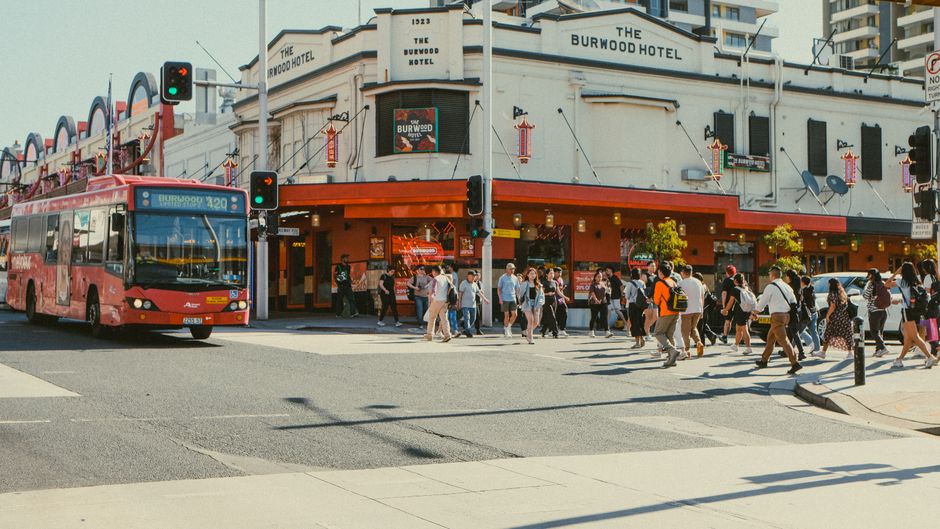
The numbers coming out of Newcastle's residential market this winter are telling two stories at once. Auction clearance rates across the Hunter have pulled back from the highs seen in late 2025, yet median house prices in the city's inner suburbs are refusing to fall, a tension that is reshaping how vendors, buyers and agents are approaching the next six months.
This matters now because the broader NSW property conversation is shifting. Sydney's outer-ring buyers, priced out of suburbs like Penrith and Gosford, have been pushing north along the F3 for the better part of three years. That migration wave is still moving, but it is moving more selectively. Buyers arriving in Newcastle from Sydney are no longer snapping up anything within 10 kilometres of the CBD. They are waiting, comparing, and in some cases walking away from auctions that even six months ago would have produced competitive bidding wars.
Where the Pressure Is Being Felt
The suburb-level picture is uneven. Islington and Mayfield, both sitting inside the 2304 postcode corridor that has attracted significant renewal investment, are still recording strong sale prices on properties that present well. Renovation activity along Maitland Road in Islington has driven expectations upward, and homes there have been clearing at or above reserve in a majority of recent campaigns. By contrast, properties in parts of Adamstown and Hamilton North that need substantial work are sitting on the market longer, with some vendors cutting asking prices after two or three weeks without offers.
The port precinct transformation, including ongoing development interest around Honeysuckle Drive and the broader urban renewal zone stretching toward the Newcastle Entertainment Centre, continues to anchor confidence in the inner city. Buyers who understand what that precinct looked like a decade ago are still treating proximity to the waterfront as a premium worth paying for.
Further out, suburbs like Wallsend and Jesmond are picking up buyers priced out of the inner ring. Jesmond, with its proximity to the University of Newcastle's Callaghan campus, has developed a reliable investor base, and that floor of demand is keeping prices from sliding even as owner-occupier activity slows.
What the Data Actually Shows
NSW's broader median house price sits at approximately $720,000, but Newcastle's inner suburbs have been tracking above that figure for several years, with places like The Hill and Cooks Hill consistently registering medians well above the state benchmark. The clearance rate softening mirrors what has been recorded in Melbourne this winter, where auction volumes dropped sharply in the season's opening weeks, though Newcastle's falls are less dramatic given the city's smaller total auction volumes.
The shift is visible in days-on-market figures. Properties that were clearing in under three weeks during the spring 2025 rush are now averaging closer to five to six weeks before sale in several mid-ring suburbs. That is not a collapse, but it is a recalibration. Vendors who listed expecting spring-level competition are adjusting to a market that is more deliberate and less emotional than it was eight months ago.
Generation Z buyers are still active, and industry-wide data suggests this cohort has not abandoned homeownership as a goal, something visible locally in the volume of first-home buyer inquiries around entry-level stock in suburbs like Hamilton South and Broadmeadow, where price points remain more accessible than in the prestige pockets closer to the beach.
For anyone watching the market in the weeks ahead, the practical read is this: sellers need to price to the current auction environment, not the one from late last year. Buyers, particularly those coming from Sydney with equity behind them, have more room to negotiate than the past two years allowed. The fundamentals supporting Newcastle, infrastructure spending, population growth, and the ongoing Honeysuckle and East End precinct investments, have not changed. What has changed is the pace, and the pace right now favours patience over panic on both sides of the transaction.
This article is general information only and is not personal financial or investment advice. Consider your own circumstances and seek licensed professional advice before making financial decisions.