property
Newcastle Auction Results and Price Data Are Sending a Clear Signal to Buyers and Sellers
Clearance rates, suburb-level medians and the pace of stock turnover suggest Newcastle's property market is shifting gears heading into the second half of 2026.
How we reported this
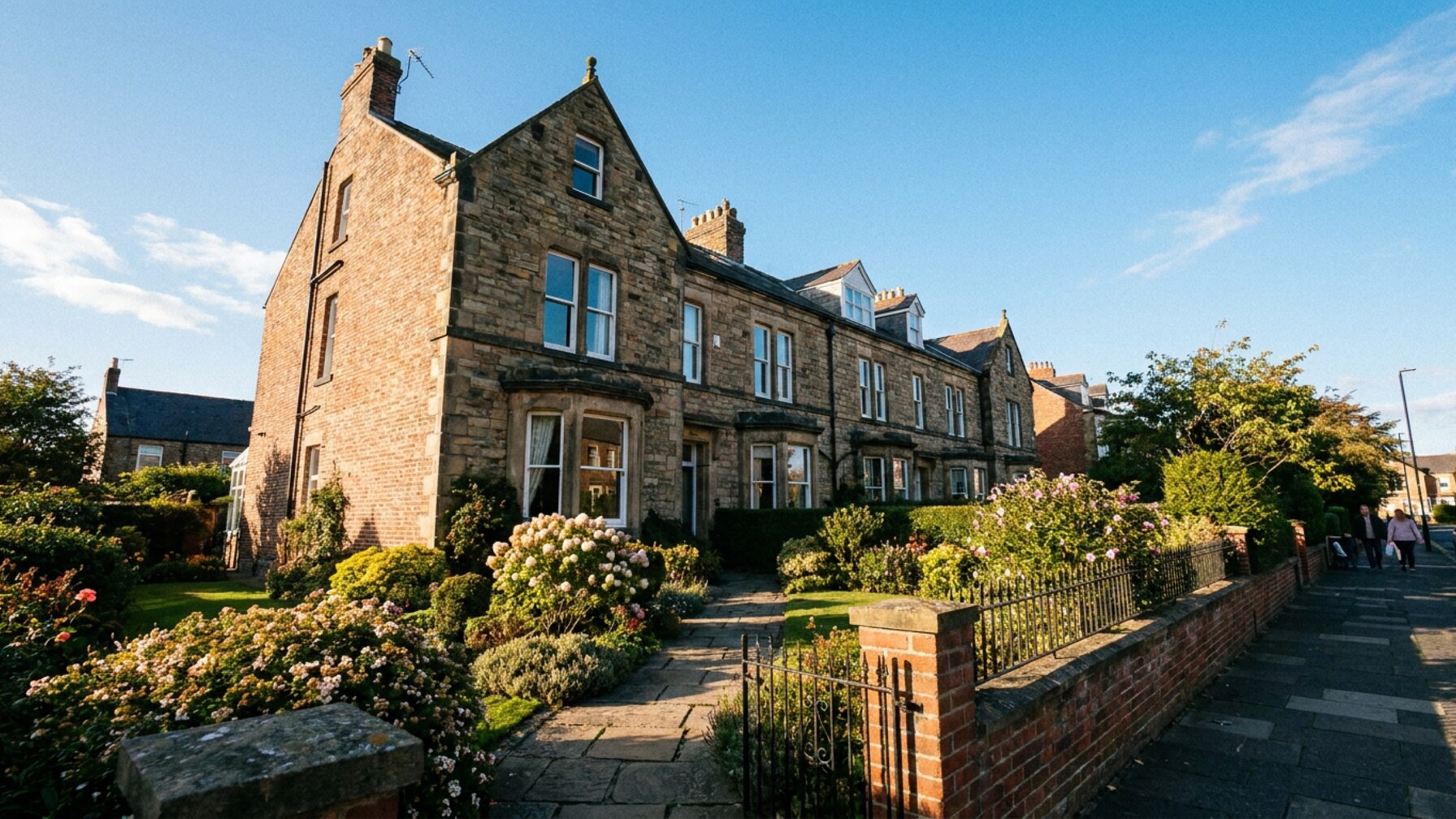
The numbers out of Newcastle's weekend auction rooms tell a story that neither buyers nor sellers can afford to ignore. Preliminary data for the June-July period shows the Hunter's biggest city holding clearance rates in the low-to-mid 60 percent range, well above the winter slump gripping Melbourne, where results recently hit their worst start to a winter season on record, according to industry reporting. Newcastle isn't booming, but it isn't buckling either.
Why does this matter now? The Reserve Bank's rate-cutting cycle has restored a degree of confidence that was missing through most of 2025, and Sydney overflow migration, buyers priced out of the inner west and lower north shore, continues to funnel demand toward the Newcastle LGA. The NSW median sits at approximately $720,000, a figure that still looks manageable to a household relocating from a suburb where entry-level stock routinely clears $1.3 million. That arithmetic is doing real work in Newcastle's favour.
Islington, Mayfield and the Port Precinct: Where Demand Is Concentrating
On the ground, two zones are attracting the most attention from agents and buyers alike. Islington, long underestimated relative to its proximity to the Wickham rail corridor and the emerging dining strip along Maitland Road, has seen a cluster of terraces and federation cottages trade well above reserve at recent auctions. Mayfield, particularly the pockets west of Maitland Road toward Tourle Street, is drawing first-home buyers who have been squeezed out of Cooks Hill and Hamilton. A three-bedroom weatherboard on Crebert Street illustrates the dynamic: comparable properties that would have sat for three weeks in mid-2025 are now attracting five or six registered bidders on auction day.
The port precinct transformation is adding a longer-term dimension to all of this. The Hunter and Central Coast Regional Plan continues to designate the Honeysuckle and Wickham foreshores as priority renewal corridors, and developers have responded. Two apartment projects within 400 metres of Honeysuckle Drive received development approval through the City of Newcastle council during the first half of 2026, adding to a pipeline that analysts expect to deliver several hundred dwellings to the near-city market before 2029. Buyers who purchase established stock in Wickham or Carrington today are effectively getting ahead of that infrastructure curve.
What the Data Is Actually Saying
Strip away the anecdote and look at the numbers. The NSW median house price of around $720,000 masks significant variation at the suburb level within Newcastle. Hamilton North and Georgetown are trading closer to the $850,000-$900,000 band for detached housing, while Waratah and Jesmond, suburbs anchored partly by proximity to the University of Newcastle's Callaghan campus, are attracting investor interest in the $620,000-$680,000 range, where gross rental yields remain viable against current mortgage serviceability calculations.
Days on market, a reliable leading indicator, have compressed noticeably since March. Properties listed through the Beaumont Street precinct in Hamilton and along Darby Street in Cooks Hill that were taking 35-plus days to find buyers in late 2025 are now clearing in under 20 days, according to publicly available listing data on major portals. That compression typically precedes price growth by one to two quarters, which means the window for buyers to transact before another leg up could be shorter than it looks.
Gen Z buyers, a cohort the national conversation keeps writing off, are showing up at open homes in Adamstown and Kotara, often armed with family guarantor arrangements or the federal government's Home Guarantee Scheme, which allows eligible first-home buyers to purchase with a deposit as low as five percent without paying lenders mortgage insurance. The scheme's regional allocation has historically been underutilised in the Hunter; that appears to be changing.
Sellers contemplating a spring campaign would be wise to bring forward their timeline. Listing volumes traditionally lift in August and September, increasing competition. Vendors who move in July, while stock levels remain lean, are likely to face fewer rivals and more motivated bidders. Buyers, conversely, should get pre-approval confirmed now. The mid-60s clearance rate means the market is competitive enough that showing up without finance in order is an expensive mistake.
This article is general information only and is not personal financial or investment advice. Consider your own circumstances and seek licensed professional advice before making financial decisions.