policy
Hunter Just Transition Policy Sets Newcastle Job Winners Against University and Service Sectors
The policy routes retraining money to coal-linked roles around the Port of Newcastle while graduates and office workers receive no equivalent local streams.
How we reported this
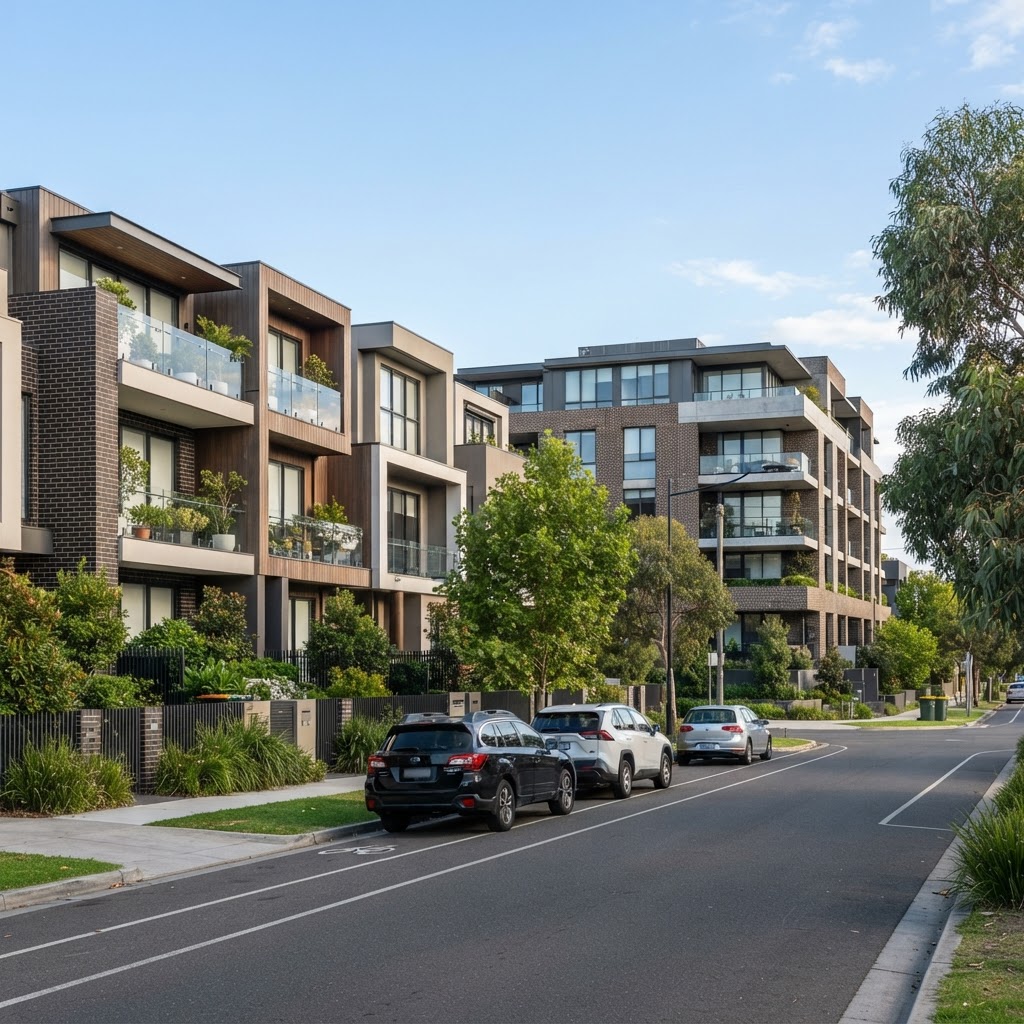
The NSW Hunter Region Just Transition Policy channels state funding into retraining schemes for workers in coal extraction and transport. Newcastle residents employed at the Port of Newcastle or in nearby logistics firms stand to access those programs. University of Newcastle graduates entering professional fields fall outside the priority categories.
The policy surfaces now because the March 2027 state election approaches and candidates in seats such as Newcastle and Wallsend must address industry change. NSW budget papers released in June list the Hunter allocation as part of the broader regional transition package. Local advocates note that timing forces candidates to state which groups they will champion.
Concrete effects on daily Newcastle life
Workers at the coal export terminal keep access to subsidised courses in hydrogen plant maintenance. Families in suburbs such as Mayfield and Waratah gain from those placements because the port remains the main employer. Residents in Hamilton or Merewether who hold degrees in business or health services see no parallel fund for AI-related upskilling.
The Productivity Commission report released this month states that women and university graduates face the highest exposure to AI-driven job losses across Australia. Newcastle data in the same report shows higher concentrations of graduate employment in education and administration than in manual trades, placing those cohorts outside the current Hunter funding stream.
Further public hearings on integration with the renewable hydrogen zone are listed for October. The government projects revised eligibility rules by mid-2028 after those sessions close. Port operators and university representatives have both lodged submissions seeking clearer links between the two planning processes.