policy
NSW Legislative Pipeline: What New State Bills Mean for Newcastle Jobs and Services
New funding bills and infrastructure proposals at Macquarie Street are set to affect Newcastle employment, transport and public services in the next 12 months.
How we reported this
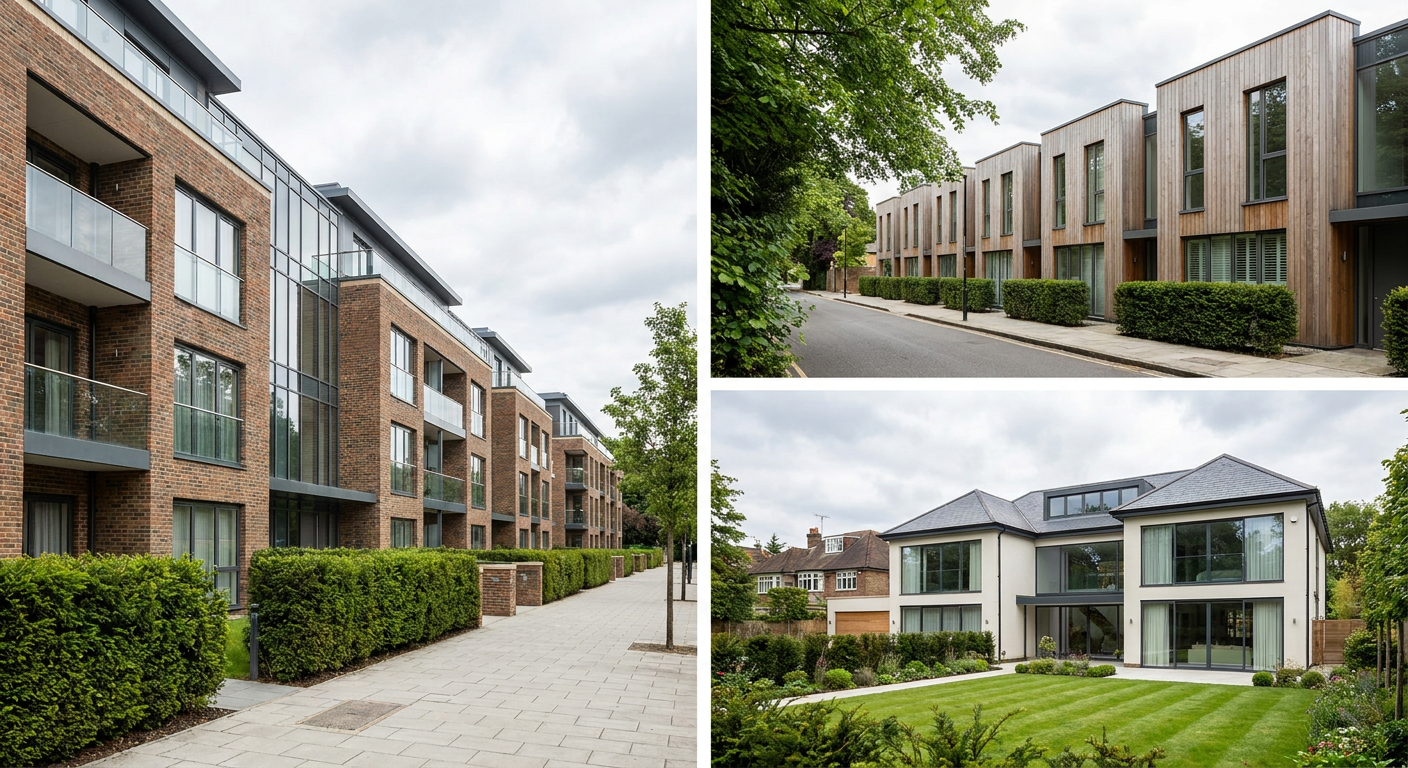
Several key pieces of legislation currently moving through the New South Wales Parliament are expected to have direct impacts on the job market and essential services in Newcastle. The state government’s winter session has seen bills targeting infrastructure investment, regional workforce transition, and university research funding, each with specific provisions for the Hunter region. Local councils, employers and residents are watching closely to see how these policies will shape daily life in the city.
Why These Bills Matter for Newcastle
The legislative focus comes at a time of economic transition for Newcastle. As the city’s coal sector enters a managed decline, state investment in renewables, port activity and higher education has become increasingly pivotal. Policy analysts say that updates to just transition schemes and infrastructure grants aim to stabilise regional employment, mitigate service gaps, and boost resilience against sector downturns. The inclusion of Newcastle in the new Hunter Hydrogen Hub bill, and targeted support for coastal erosion management, are designed to buffer local households and businesses against looming changes to the region’s economic foundations.
Concrete Impacts: Jobs, Services and Daily Life
For Newcastle residents, the practical effects of the legislation are varied. The Regional Infrastructure Renewal Act (currently before the Legislative Council) earmarks $150 million over two years for road upgrades, including a $27 million allocation to the Newcastle-Lake Macquarie transport corridor (budget paper 3, 2026-27). Commuters may see faster bus routes and reduced road maintenance delays by early next year if the bill passes. In health, the Securing Regional Health Services Bill proposes a new funding stream for Hunter medical recruitment, which local health advocates note could help reduce average emergency department wait times, now at 17 minutes according to Hunter New England Health reports. For those in the education sector, amendments to the Tertiary Support Funding Act are set to deliver $12 million in competitive grants for university research collaborations in energy transition technologies, expected to benefit key University of Newcastle labs and attract postgrad employment to the area.
Additionally, the Just Transition Employment Guarantee Bill is projected to affect over 2,000 workers in Newcastle who remain reliant on thermal coal-related jobs, according to NSW Treasury estimates (State Economic Outlook, May 2026). The legislation states that eligible workers facing redundancy may receive retraining vouchers worth up to $7,500 and priority access to regional manufacturing vacancies created under the Port of Newcastle’s clean exports strategy.
Evidence and Figures
Budget documents tabled last month indicate that Newcastle’s share of new state infrastructure and workforce transition spending will surpass $200 million in 2026-27. The largest single allocation is for the renewal of the Port of Newcastle logistics hub, with $61 million confirmed in the Infrastructure NSW planning papers. Meanwhile, Productivity Commission analyses show regional infrastructure projects delivered over 1,500 job-year equivalents in the Hunter in 2025, suggesting the latest bills may provide tangible job creation in the next 12 months if funding flows on schedule. Local housing advocates point out, however, that several service delivery programs-such as the proposed expansion of social housing stock-remain unfunded and contingent on further legislation or federal matching grants.
The bills also include climate resilience measures, with $8 million tagged for Newcastle City Council to address ongoing coastal erosion at Stockton Beach. The provision is in response to council estimates that up to 80 Newcastle homes remain at high risk from storm surge events (Newcastle City Council Coastal Report, April 2026).
Next steps for residents include public comment periods for the infrastructure and just transition bills, as well as local forums planned by state MPs over the coming months. Final budget appropriations are set for debate in the Legislative Council in late July. If passed in their current forms, the new laws will begin to affect public service delivery and employment programs in Newcastle from October this year. Residents seeking more information or wishing to make submissions can access draft bill texts and public inquiry schedules online via the NSW Parliament website.