policy
New State Industries Bill Positions Hunter for Priority Funding, Leaving Other Regions to Play Catch-Up
Proposed legislation currently before the NSW Parliament would create a dedicated Hunter Transition Authority, fast-tracking renewable energy projects and job programs in a model not yet replicated for other industrial centres like Wollongong.
How we reported this
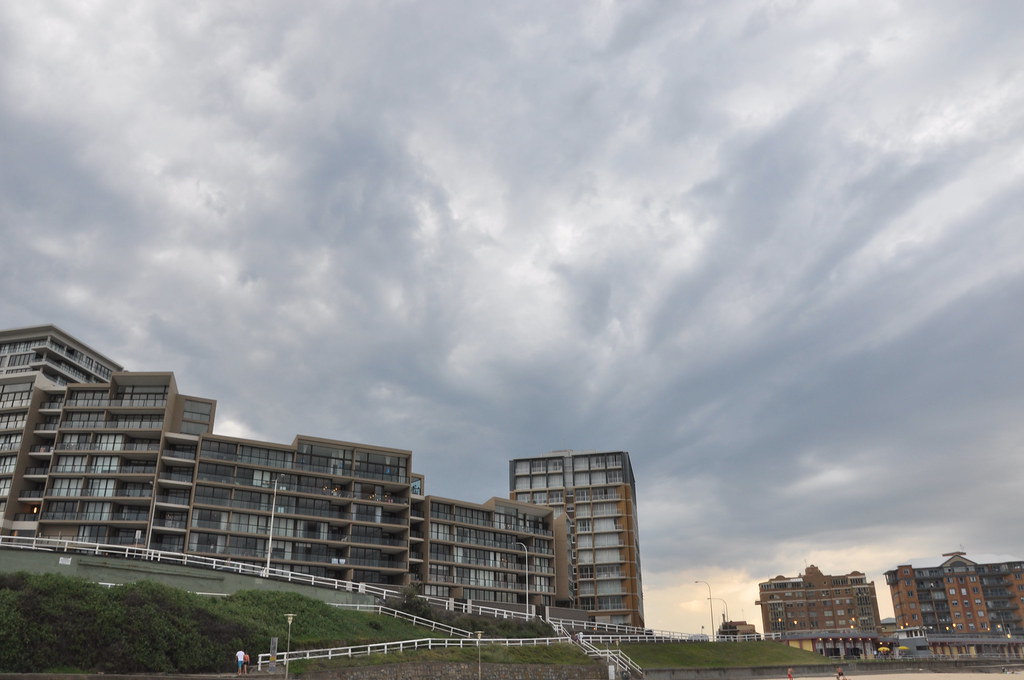
A new piece of state legislation could soon formalise the Hunter’s pole position in NSW’s clean energy transition, creating a powerful new authority to oversee development and channel investment into the region. The Future Industries (Regional Transition) Bill 2026, introduced last month, proposes a framework specifically tailored for the Hunter, impacting thousands of local workers and charting the economic course for Newcastle for decades to come.
The bill lands in parliament as the Hunter navigates the accelerating decline of its thermal coal export market. With state and federal net-zero targets looming, pressure has mounted to provide a clear and funded pathway for communities historically dependent on the fossil fuel industry. This legislation is the government's attempt to create that pathway, moving beyond ad-hoc grants to establish a legislated body focused on attracting investment in hydrogen, advanced manufacturing, and grid-scale battery storage, primarily around Newcastle and the Upper Hunter.
A Tailored Approach for the Hunter
For Newcastle residents, the bill’s most significant impact would be the creation of the Hunter Transition Authority. This body would be granted powers to streamline planning approvals for designated projects, particularly around the Port of Newcastle and the Tomago industrial precinct. Proponents of the bill argue this could slash years off the development timeline for new hydrogen plants and manufacturing facilities. The legislation also aims to coordinate worker training, connecting displaced coal industry employees with new skills programs at Hunter TAFE and the University of Newcastle.
This Hunter-specific model is being watched closely in other industrial parts of the state. In the Illawarra, which faces its own long-term transition challenges in the steel industry, local leaders and business groups have advocated for a similar level of state-backed, coordinated support. As it stands, the Future Industries Bill does not establish a parallel authority for the Illawarra or other regions, raising concerns there about a two-tiered approach to the state’s economic transformation. The bill effectively designates the Hunter as the pilot region for this intensive, government-led transition strategy.
Legislative Path and Future Funding
The proposed Authority would build on existing financial commitments. The government has already invested significant funds in the region, including the well-established Hunter Hydrogen Hub. The new bill does not allocate a specific new budget, but instead creates the legislative architecture to prioritise the Hunter for future allocations from state funds like the Royalties for Rejuvenation program. The goal, according to the bill's explanatory notes, is to provide long-term certainty for international investors looking to build large-scale renewable projects in the region.
The bill is currently being debated in the Legislative Council, the NSW upper house, after passing the lower house last week. Submissions from organisations like Business Hunter have supported the principle of a dedicated local authority. Unions, meanwhile, are focused on ensuring the bill includes robust local employment guarantees and protects wage standards during the transition. If it passes the upper house, the bill could receive royal assent and become law before the end of the year, cementing a new economic chapter for Newcastle and the Hunter Valley.