news
How Newcastle Got Here: The Long Road Behind the Hunter's Biggest Shifts
From coal country to hydrogen ambitions, the forces reshaping Newcastle didn't arrive overnight, and understanding the backstory explains everything happening right now.
How we reported this
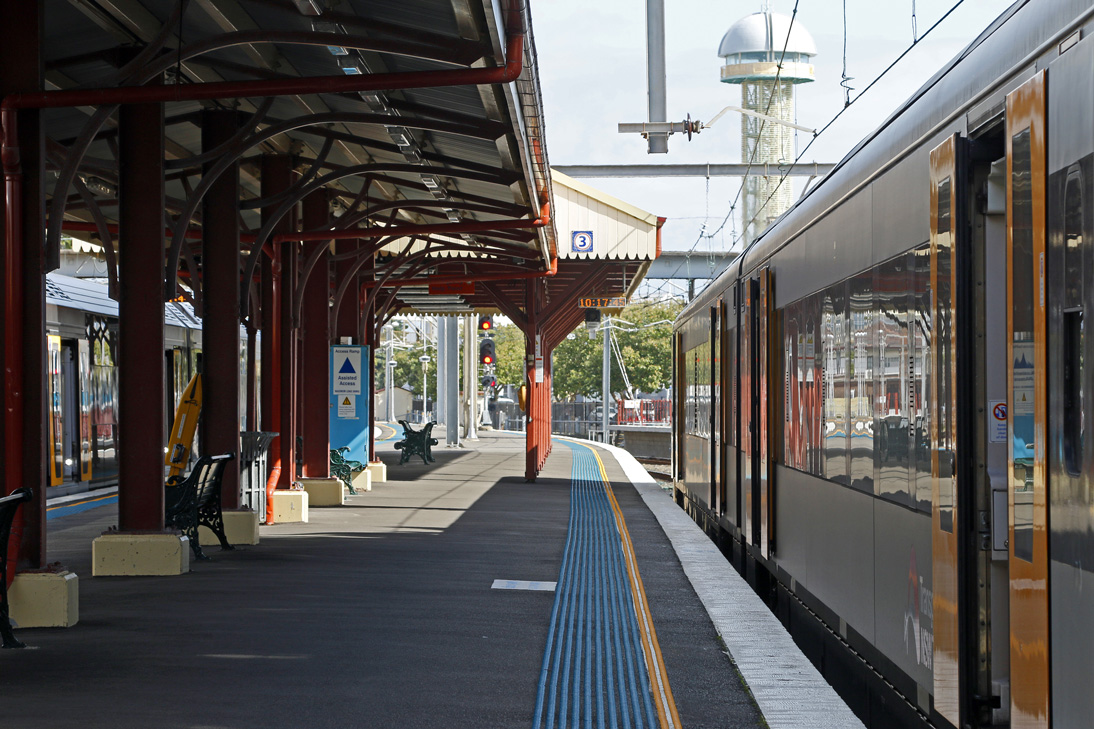
Newcastle is in the middle of a transformation decades in the making. The closures, the policy pivots, the infrastructure bets, they all trace back to decisions made years or even generations ago, and July 2026 is as good a moment as any to map how the Hunter Valley arrived at its current crossroads.
The headline fact is this: the Hunter region is now formally designated as one of three New South Wales Renewable Energy Zones, a designation that carries both funding priority and planning obligations. That didn't happen in a vacuum. It followed the accelerating wind-down of thermal coal exports through the Port of Newcastle, which for most of the past century defined the city's economic identity as thoroughly as any institution could.
Coal's Long Shadow Over the Port and the Valley
The Port of Newcastle handled more than 160 million tonnes of cargo in recent years, with coal making up the overwhelming majority of that volume. The port remains one of the largest coal export facilities in the world, a fact that sits awkwardly alongside the Hunter's new clean energy ambitions. But the tension is not new. Glencore's closure of the Liddell coal-fired power station in the upper Hunter in April 2023 was the most visible sign that the transition was no longer theoretical. The Liddell site, near Muswellbrook, had operated for more than 50 years before its final unit shut down.
The Hunter Jobs Alliance, a coalition of unions and community groups active in the valley for several years, spent much of the early 2020s pushing state and federal governments to formalise what a just transition would actually look like for the roughly 14,000 workers the NSW Resources Regulator has previously identified as directly employed in Hunter coal mining and related industries. That pressure contributed to the creation of the NSW Coal Innovation Fund and, eventually, the broader Jobs for the Future in Regions program.
In Newcastle itself, the urban renewal conversation has been running even longer. The redevelopment of the East End, the stretch of Hunter Street between Newcomen Street and the foreshore, began in earnest after the controversial truncation of the Newcastle rail line in December 2014, a decision that remained bitterly contested for years among local transport advocates and businesses. The light rail service that replaced part of that corridor opened in February 2019, and while patronage figures have fluctuated, it became the physical spine around which the inner-city renewal argument was made.
University Investment and the Hydrogen Question
The University of Newcastle has been central to the pivot toward knowledge-industry growth. Its main Callaghan campus sits about five kilometres from the CBD, and over the past decade the university has steadily expanded its research footprint in materials science, engineering, and energy technology, fields directly relevant to what state planners are now calling the Hunter Hydrogen Hub. The hub concept, which would use renewable electricity to produce green hydrogen for export through the Port of Newcastle, has been in various stages of planning and feasibility assessment since at least 2021.
Whether the hydrogen economy materialises at the scale governments have projected is, frankly, still an open question. The economics of green hydrogen remain challenging globally. But the planning framework is now locked in, and investment decisions by companies including Orica, whose Kooragang Island facility near Mayfield has been cited as a potential hydrogen offtake customer, will start to clarify the picture over the next 18 to 24 months.
Meanwhile, coastal erosion along Stockton Beach, north of the Hunter River mouth, has reached a point where NSW Government intervention is no longer avoidable. Stockton has lost roughly 200 metres of beach width over the past 50 years according to data held by the Hunter-Central Coast Regional Planning Authority, and several properties along Fullerton Cove Road now sit within active erosion risk zones.
For Newcastle residents watching all of this converge simultaneously, energy transition, urban renewal, coastal risk, workforce retraining, the practical advice from planners and community organisations is consistent: engage with the draft Hunter Regional Plan 2041 submissions process, which the NSW Department of Planning has previously flagged for public consultation this year. The decisions made in that process will govern land use and infrastructure investment across the region for the next two decades.