news
Newcastle Transforms From Coal Hub, But Lags Global Reinvention Leaders
As Hunter region transition programs hit key milestones, Newcastle's industrial pivot is drawing comparisons-not always flattering-to post-coal cities from Germany's Ruhr Valley to Appalachia.
How we reported this
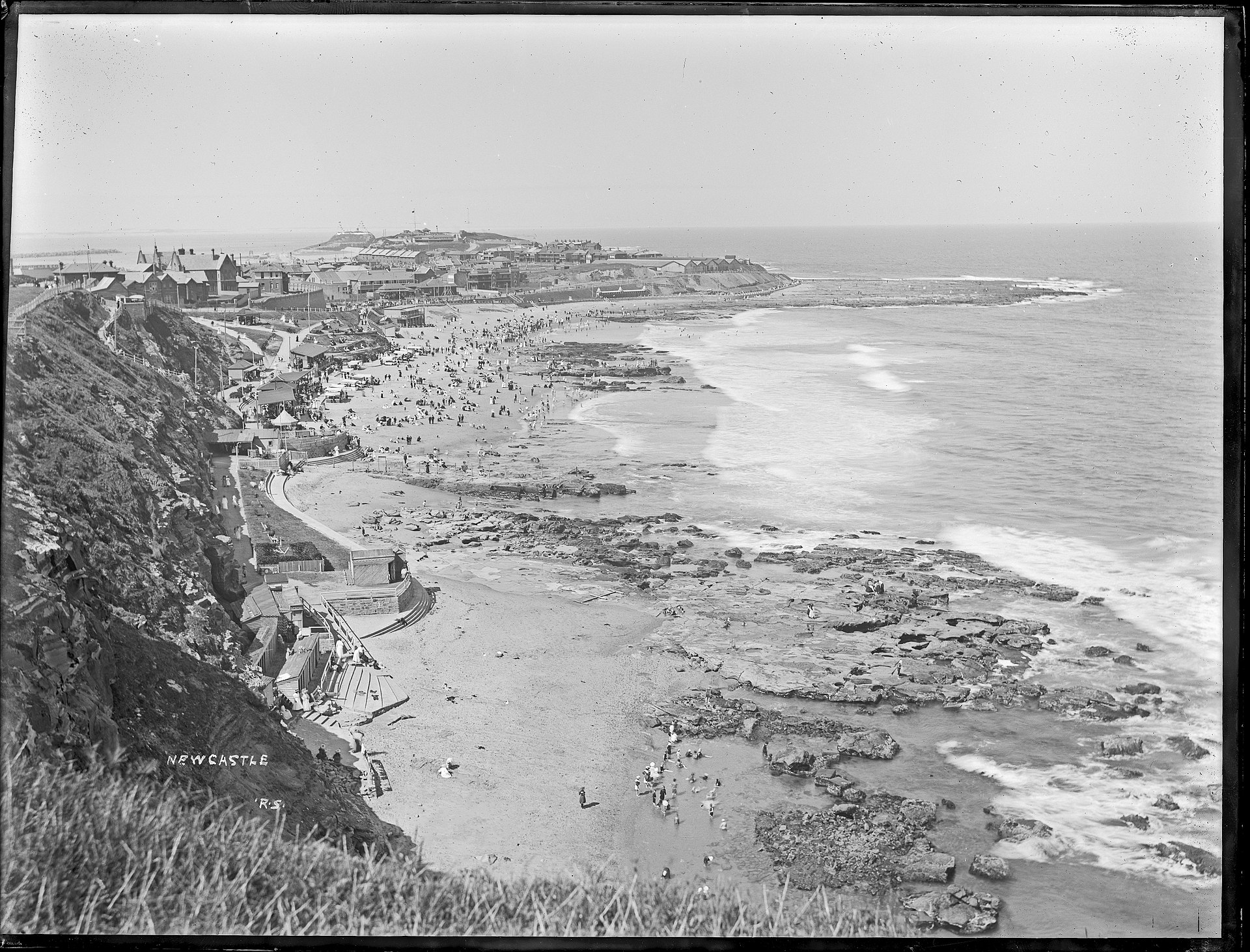
Newcastle is roughly four years into the most consequential economic restructuring in its modern history, and the question local planners, union officials and university researchers keep returning to is a blunt one: are we moving fast enough?
The context matters. Across three continents, former coal-dependent cities are racing to diversify before mine closures and global carbon policy hollow out their tax bases and workforces. Newcastle is running that same race, but it starts from an unusual position-a functioning deep-water port at Kooragang Island, an established university research base at Callaghan, and a state-backed hydrogen zone that gives it infrastructure options most comparable cities lack.
Where Newcastle Leads-and Where It Lags
Germany's Ruhr Valley spent close to three decades and tens of billions of euros transforming Essen, Dortmund and Bochum from steel-and-coal hubs into cultural and logistics centres. The process was painful and uneven; youth unemployment in parts of the Ruhr still runs above the German national average today. Appalachian towns in Kentucky and West Virginia, by contrast, received far less structured federal support and have seen persistent population decline since major mine closures accelerated after 2012.
Newcastle's trajectory sits somewhere between those two poles. The New South Wales Government designated the Hunter region a Renewable Energy Zone under the Electricity Infrastructure Roadmap, a policy framework that creates real financial incentives for wind, solar and storage investment in the area stretching from Singleton down to the coast. That structural policy anchor is something Appalachian communities simply did not have at the equivalent stage of their transition.
The Port of Newcastle, which handled more than 166 million tonnes of cargo in the financial year ending June 2023 according to port authority trade data, is already positioning its Mayfield terminal precinct for bulk green hydrogen export. Feasibility work on that corridor has involved the University of Newcastle's global innovation network, and planning documents lodged with the Hunter and Central Coast Regional Planning Panel reference 2030 as the target year for first commercial-scale hydrogen throughput.
What Ruhr cities did well, however, was attach cultural infrastructure to economic transition early. The Zollverein coal mine complex in Essen became a UNESCO World Heritage site and a design and creative industry hub within fifteen years of closure. Newcastle has the former BHP steelworks site at Honeysuckle, now a mixed-use waterfront precinct, but the sheer scale of industrial land still awaiting reactivation-particularly around Kooragang and the former industrial corridor off Industrial Drive in Mayfield-suggests that cultural and knowledge-economy anchoring remains incomplete.
The Workforce Numbers Are the Pressure Point
Hunter Valley coal mines directly employ roughly 16,000 workers, according to figures cited in the NSW Resources Regulator's most recent annual report. That number has been relatively stable for several years, but trajectory matters more than snapshot: global thermal coal demand forecasts from the International Energy Agency project a sustained decline through the 2030s as Asian utilities accelerate their own clean energy buildouts.
The Hunter Employment and Economic Transition program, administered through Jobs for NSW, has funded retraining pathways at TAFE NSW's Kurri Kurri and Hamilton campuses. Uptake figures for those programs have not been publicly released for the current financial year. That data gap is itself a problem-comparable transitions in South Wales and in the German Lausitz region were tracked with granular quarterly reporting, which allowed course corrections when retraining programs failed to match actual job vacancy profiles.
Newcastle City Council's long-term economic strategy identifies the creative industries, health and medical research, and advanced manufacturing as the three priority diversification sectors. The council's footprint-from the revitalised East End precinct on Hunter Street to the emerging tech corridor near the university's NeW Space city campus on Auckland Street-gives those priorities physical addresses, which is more than many comparable cities managed at this stage.
The next eighteen months will test whether policy intent converts to actual employment. Developers and state agencies are expected to make final investment decisions on several Kooragang hydrogen proposals before the end of 2027. Residents and businesses watching those announcements will get the clearest signal yet of whether Newcastle's transition is genuinely ahead of the curve-or just better at talking about it than most.