news
Newcastle Leaders Debate Pokies Reform, Port Expansion, Climate Funding This Week
Decision-makers across the Hunter are weighing in on gambling reform, coal transition funding, and coastal risk as pressure mounts on multiple fronts.
How we reported this
Newcastle is rarely short of competing agendas, but this first week of July 2026 has pressed several of them to the surface at once. NSW Labor's vote on Saturday for tighter poker machine regulations sent ripples well beyond the inner west of Sydney, with Hunter-region clubs now facing questions about how proposed cashless gaming requirements would hit venues from Broadmeadow to Cessnock. The state pokies debate, coastal erosion funding disputes, and the Hunter's ongoing coal-to-clean-energy pivot are drawing pointed responses from local officials and industry figures who say the timing matters enormously.
The pressure is not abstract. The Hunter Valley accounts for a substantial share of NSW club-industry revenue, and venue operators from the Newcastle Workers Club on Wickham Street to larger registered clubs in Maitland have flagged concerns that mandatory card-based betting systems would require capital outlays many smaller clubs cannot absorb on current timelines. No specific cost figures have been publicly confirmed by those venues, but the NSW government has indicated a transition framework will accompany any legislated changes. How that framework applies to regional clubs, rather than Sydney's high-turnover venues, is the question local figures are pressing hardest.
Coal Transition and the Jobs Pipeline
On the economic front, Hunter Jobs Alliance and University of Newcastle researchers have both pointed to July 2026 as a critical planning window for the region's industrial workforce. The state and federal governments have committed to the Hunter Renewable Energy Zone, which stretches from the Upper Hunter through to the coastline infrastructure around the Port of Newcastle, but community groups say implementation details remain thin. The Port of Newcastle, which handled more than 166 million tonnes of cargo in the 2022-23 financial year according to its published annual figures, is central to multiple transition proposals, including green ammonia export facilities and offshore wind supply-chain logistics.
University of Newcastle's Hunter Research Foundation Centre has previously published modelling suggesting the Hunter could lose tens of thousands of direct and indirect coal-related jobs by the mid-2030s without structured intervention. Local officials and workforce advocates are now calling on both levels of government to convert policy commitments into funded contracts before the next budget cycle. The message from industry groups is consistent: announcements are not apprenticeships.
Coastal Erosion Adds a Third Pressure Point
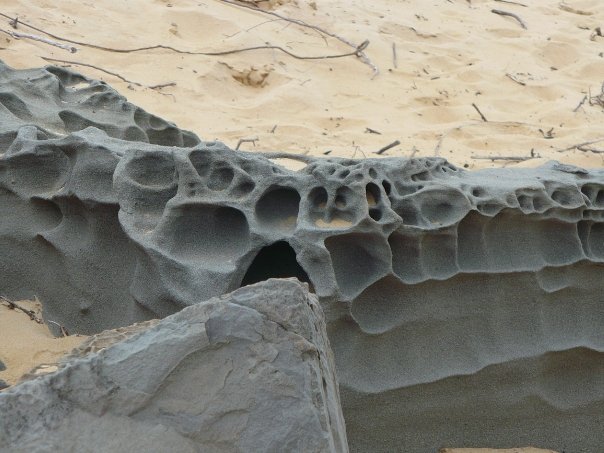
Nobbys Beach and Stockton, Newcastle's northern suburb that has recorded some of the fastest shoreline retreat on the NSW coast, are back in focus after winter swells accelerated sand loss along the Stockton Bight in late June. Newcastle City Council has been engaged in multi-year negotiations with the NSW government over a sand nourishment program, with previous council documents identifying Stockton as requiring urgent intervention to protect residential properties on Paget Street and surrounding streets. The cost of a full nourishment program has been cited in council reports at figures exceeding $10 million, though the precise current budget allocation remains subject to state approval processes.
Local engineers and coastal geomorphologists affiliated with the University of Newcastle have argued publicly in council submissions that delay increases total project cost and puts more homes at measurable risk. Council's position, most recently stated in formal submissions to the NSW Department of Planning, is that the state must share funding responsibility given the regional significance of the coastline. That argument has not yet produced a signed funding deed.
For Novocastrians watching all three of these issues develop simultaneously, the practical upshot is the same: the second half of 2026 will involve a string of NSW government announcements, budget mid-year reviews, and legislative debates that directly affect jobs, neighbourhood infrastructure, and the clubs many residents use weekly. Community members wanting to track the pokies legislation can follow the NSW Parliament's Legislative Assembly notice paper, while the Port of Newcastle publishes quarterly trade updates on its website. The Hunter Renewable Energy Zone has a dedicated NSW Planning portal page where project applications and consultation periods are listed. The next scheduled Newcastle City Council meeting, where coastal funding is expected to be raised, is set for late July.