news
Stolen Faces, Fake Listings: Hunter Valley Residents Speak Out on Image Theft Epidemic
From Cooks Hill to Charlestown, Newcastle community members are describing the real harm caused when their photos are scraped and reused without consent across online marketplaces and social media.
How we reported this
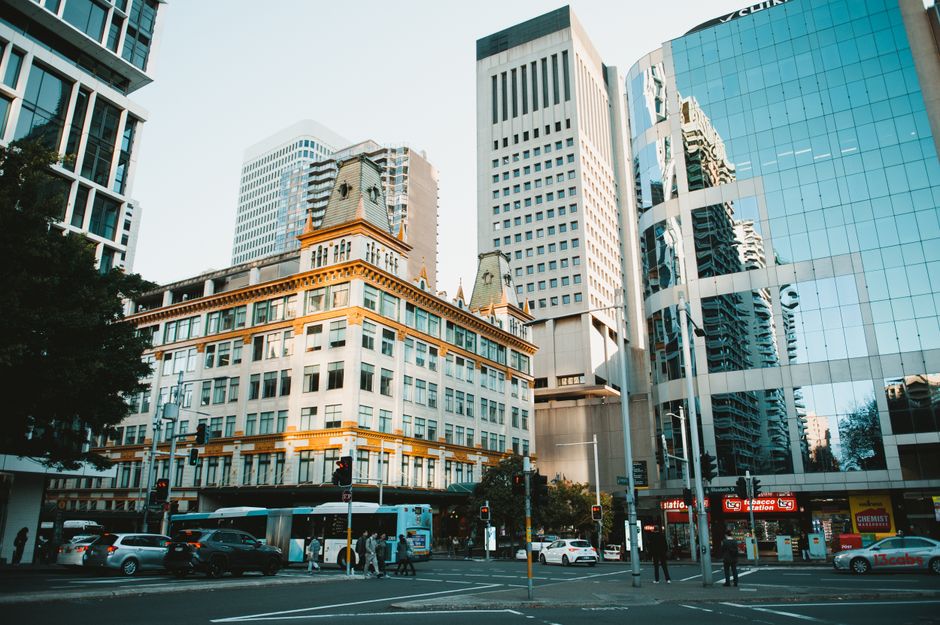
Residents across the Newcastle and Hunter region are raising alarms about a surge in what digital rights advocates call duplicate image replacement, the practice of taking someone's photograph or property listing image and recycling it, often across competing platforms, fake rental advertisements, or fraudulent social profiles. For people on the receiving end, the consequences range from embarrassing to financially devastating.
The problem has sharpened focus this winter as rental scarcity bites harder across Newcastle's inner suburbs. With vacancy rates in postcodes including 2300 and 2302 sitting at historically tight levels, consistent with figures tracked by the Real Estate Institute of NSW, scammers have found fertile ground. A genuine listing for a terrace on Glebe Road in The Junction gets photographed, stripped of its original contact details, and republished on a third-party site at a lower weekly rent, complete with a fraudulent landlord identity. Prospective tenants transfer bond money and never receive a key.
Community Members Describe the Fallout
The people bearing the cost are not just renters. Homeowners, small business operators, and individuals whose profile photographs have been reused in fake accounts have all come forward in recent months. Community Facebook groups covering Merewether, Hamilton, and Mayfield have hosted dozens of posts flagging suspected misuse of local imagery, with members warning others to reverse-search their own photos before assuming any online identity is legitimate.
A family on Darby Street, Cooks Hill, discovered their property's real estate photography, taken professionally for a private sale campaign in early 2026, had been cloned into at least two separate rental listings on a platform they had never engaged with. They were alerted by a neighbour, not by the platform itself. The process of having the listings removed took more than two weeks, during which time unknown numbers of people may have paid fraudulent holding deposits.
The Hunter Community Legal Centre on Parry Street, Newcastle West, has been among the services fielding calls from people unsure of their legal options. Australian consumer law provides remedies in some cases, but identifying and pursuing the individuals responsible, who often operate from overseas, is a practical barrier most victims cannot overcome alone. The Australian Competition and Consumer Commission's Scamwatch recorded more than 16,000 rental scam reports nationally in the 12 months to March 2026, with losses exceeding $4.6 million, according to figures published by the ACCC.
What Newcastle Residents Can Do Right Now
Digital literacy educators connected to the University of Newcastle's outreach programs have been pointing residents toward a handful of concrete protections. Google's reverse image search remains free and takes under a minute, entering any photograph of your home, business frontage, or profile picture will surface any indexed copies. The eSafety Commissioner, the federal agency with authority over image-based abuse, accepts complaints online and has formal powers to compel platforms to remove content in certain circumstances. Complaints can be lodged at esafety.gov.au.
For renters, the Tenants' Union of NSW advises verifying any rental listing by cross-referencing the address on established agency sites such as realestate.com.au and Domain, then calling the listed agency directly using a number sourced independently, not from within the suspicious listing itself. The Newcastle office of NSW Fair Trading on King Street can also log complaints and, in aggregated cases, refer patterns of behaviour to enforcement teams.
Property professionals operating in Newcastle's competitive market have their own exposure. Several independent agencies along Hunter Street have begun watermarking listing photography more aggressively since late 2025, citing a noticeable increase in their images appearing without authorisation. Watermarks are not a complete solution, they can be cropped or digitally removed, but they raise the effort required to misuse content.
The practical advice is unglamorous but consistent: search yourself, search your property, and report what you find. The digital infrastructure enabling image theft is largely automated. The defences, for now, remain largely manual.