news
Newcastle Faces Critical Transport Decisions Shaping Next Decade's Growth
With the Port of Newcastle facing evolving global trade patterns and major rail and road upgrades on the horizon, the region faces crucial choices about funding, timing and priorities.
How we reported this
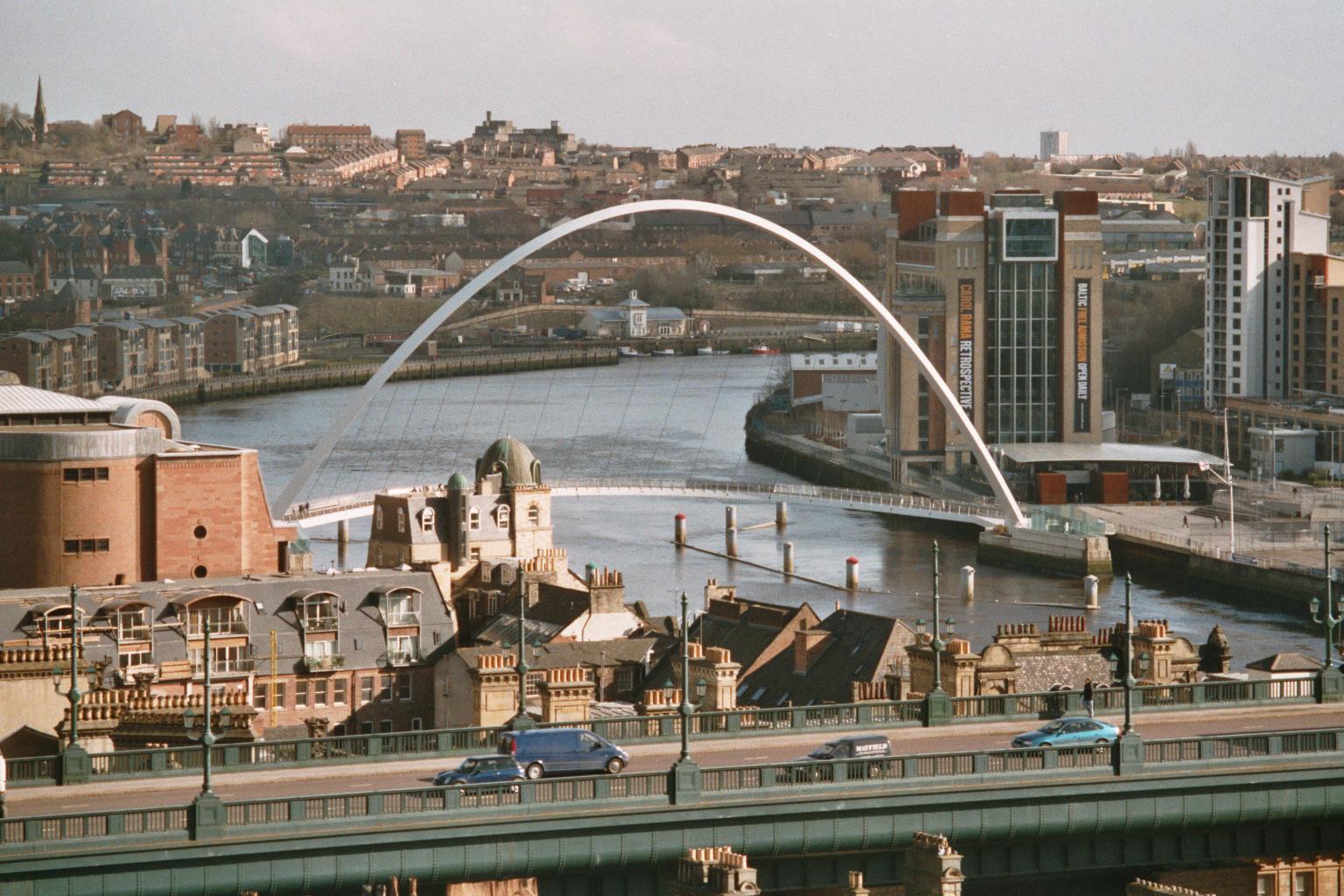
Newcastle stands at a critical juncture. The next 12 to 18 months will determine how the region's transport infrastructure adapts to meet demand from a diversifying economy and growing population pressures along the Hunter corridor.
The Port of Newcastle, still the nation's largest coal export terminal, is navigating an uncertain future as global energy markets shift. Shipping volumes fluctuated significantly through 2025, and port planners are now assessing whether existing berth infrastructure can be repurposed or upgraded for alternative bulk commodities, containerised goods, and emerging sectors like renewable hydrogen.
Inland, the rail network connecting Newcastle to Sydney remains under scrutiny. While the New England Highway through Maitland and Singleton carries increasing freight loads, questions linger about rail line capacity and whether inland routes can better distribute traffic. The University of Newcastle's recent transport research has highlighted bottlenecks between Waratah and Wallsend during peak periods, yet funding commitments for targeted upgrades remain unclear.
Local roads tell their own story. The arterial routes through Broadmeadow, the congestion around Hunter Street and the Bridge Street corridor, and safety concerns on the F3 freeway approaching the city from the south have prompted calls for coordinated upgrades. However, these projects compete for limited state and federal dollars alongside coastal erosion defences-a growing priority as flooding risks threaten Newcastle's eastern suburbs and the CBD's lower levels.
The decision tree ahead is complex. Transport NSW and the Port Authority must clarify their 10-year capital strategy by late 2026. Will investment prioritise port modernisation, inland rail enhancements, or road safety improvements? How will the region's transition away from coal mining be reflected in transport planning-particularly given the spatial shift of employment opportunities from the city centre towards industrial precincts at Tomago and beyond?
Local government, state agencies, and industry bodies have begun preliminary discussions, but a formal infrastructure corridor plan addressing competing demands remains absent. Regional leaders and the Port Authority's board will need to make hard calls about trade-offs between short-term congestion relief and long-term strategic positioning.
The outcome will affect whether Newcastle's transport systems support the renewable hydrogen zone rollout, accommodate future Port growth, and keep goods and people moving efficiently. These decisions, made quietly in planning meetings over the coming months, will shape the region's competitiveness for decades. The clock is ticking.