lifestyle
Newcastle's Unique Blend: Historic Steelworks Meet World-Class Surf Beaches
The city's preserved steelworks sites sit steps from surf breaks in a way few other places match.
How we reported this
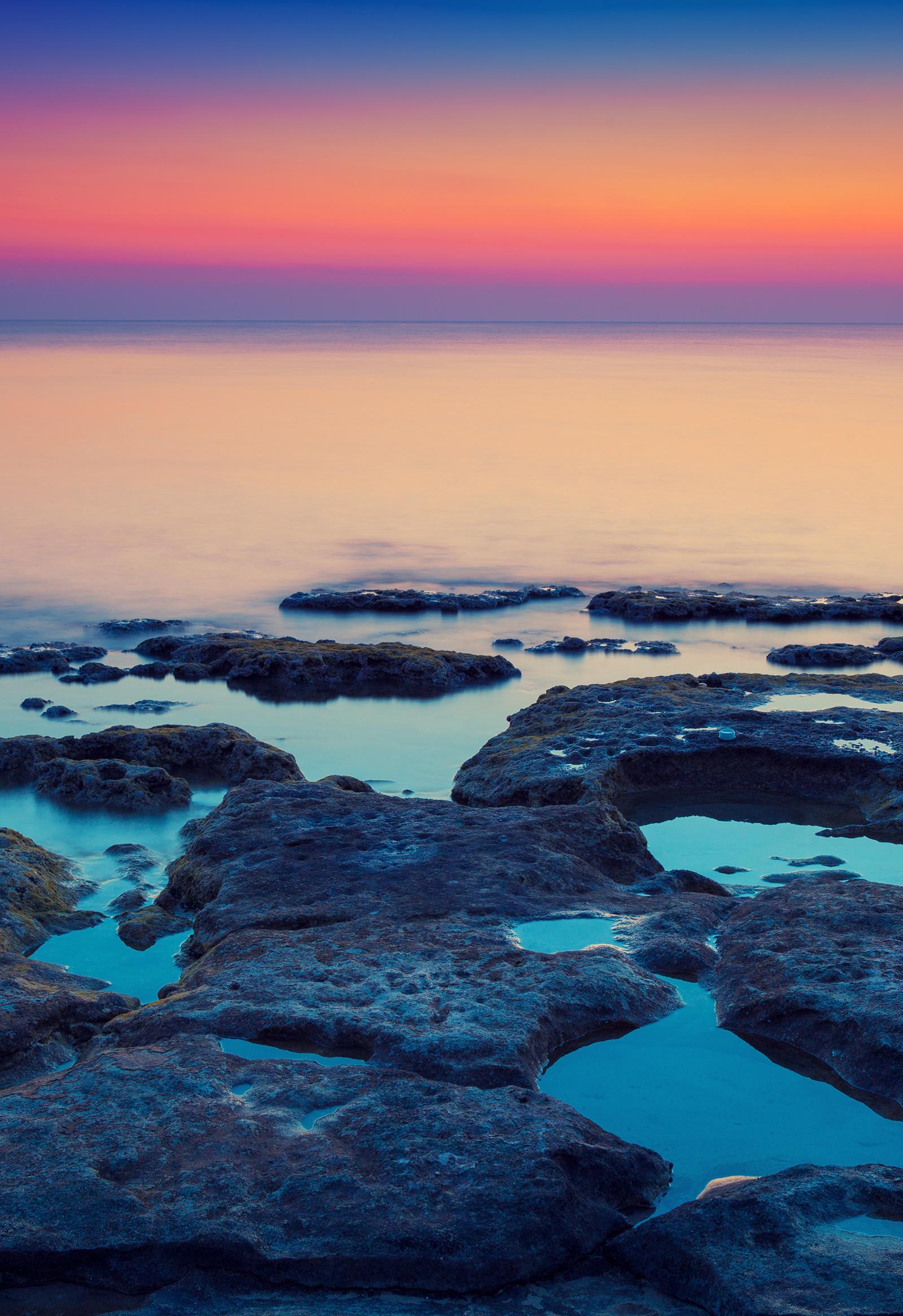
Newcastle draws visitors and new residents for its rare layout where former industrial zones sit directly beside oceanfront parks and surf breaks.
This layout matters now because lifestyle shifts in 2026 have pushed more people to seek cities that combine work opportunities with daily access to nature without long commutes.
Walkers along Hunter Street pass the Newcastle Museum, which documents the city's steel and coal past, before reaching Darby Street in Cooks Hill where independent cafes and galleries line the footpaths. Further east, the Newcastle Foreshore path connects to Nobbys Headland and its lighthouse, offering views of the harbour mouth that remain open to the public year-round.
Heritage sites turned public spaces
Fort Scratchley on the headland above Newcastle Beach still hosts guided tours of its tunnels and gun emplacements every weekend, while the nearby Ocean Baths at Merewether draw locals for early-morning laps. These sites operate without entry fees on most days, unlike many comparable attractions in larger capitals.
City data from the 2025 visitor survey recorded 1.1 million overnight stays, with 62 percent of respondents citing the short distance between heritage landmarks and beaches as their main reason for choosing Newcastle over Sydney or Melbourne.
Practical steps for a first visit
Start at the Newcastle Interchange for the light rail to the foreshore, then follow the coastal walk to Merewether for a swim before lunch on Darby Street. Check tide times on the council website before heading to Nobbys Beach to avoid closures during king tides.